Zero (0)
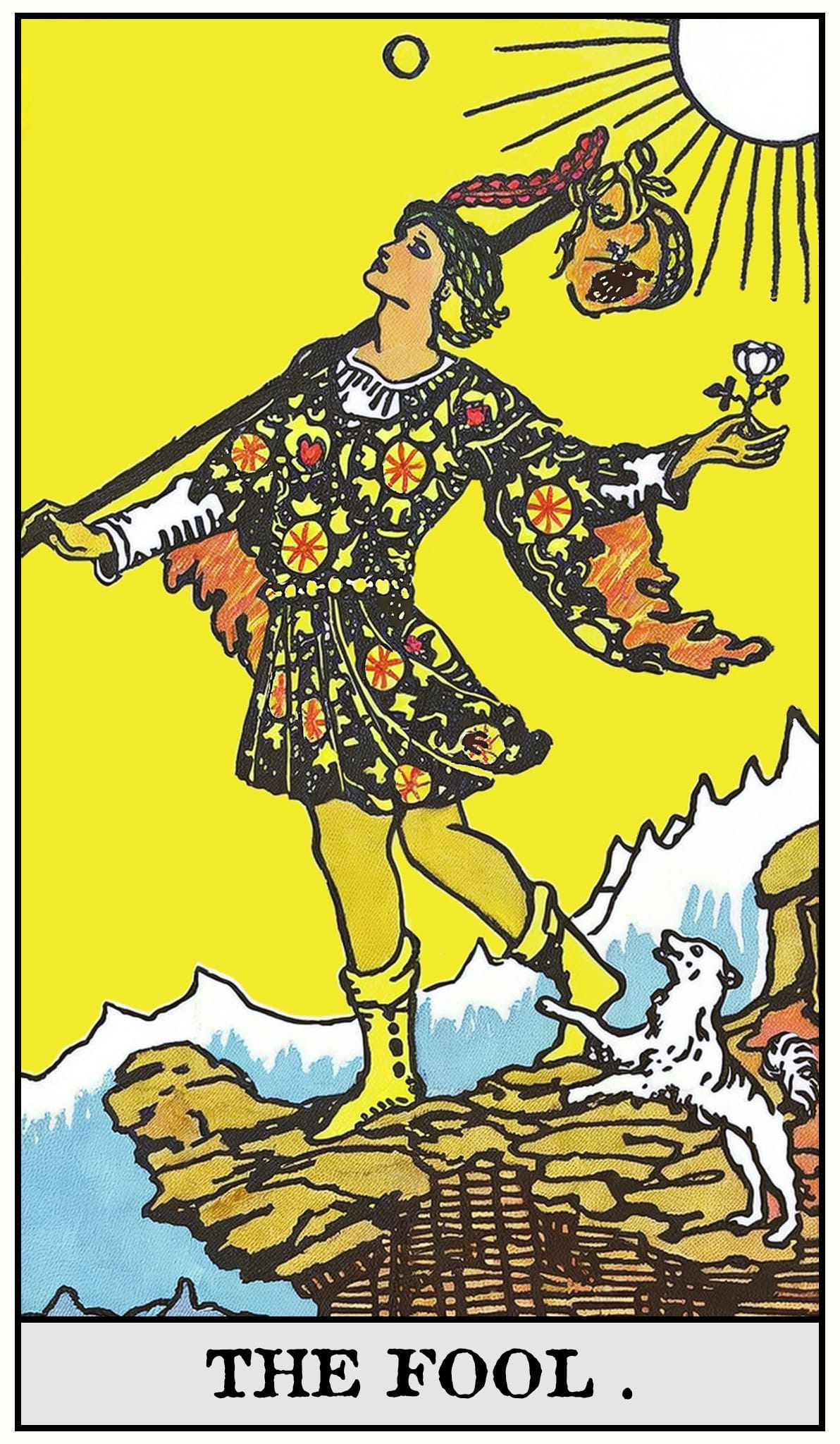
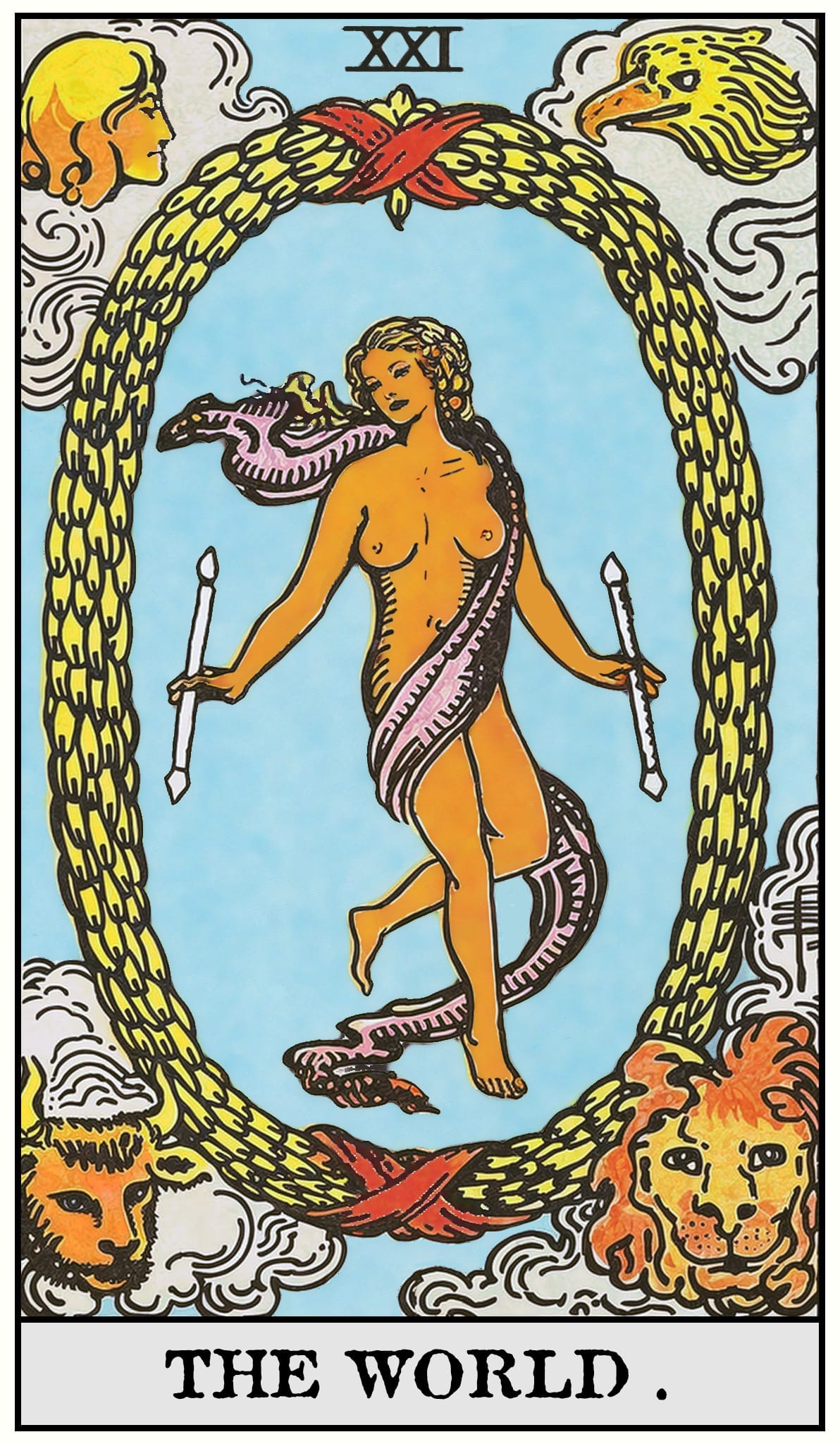
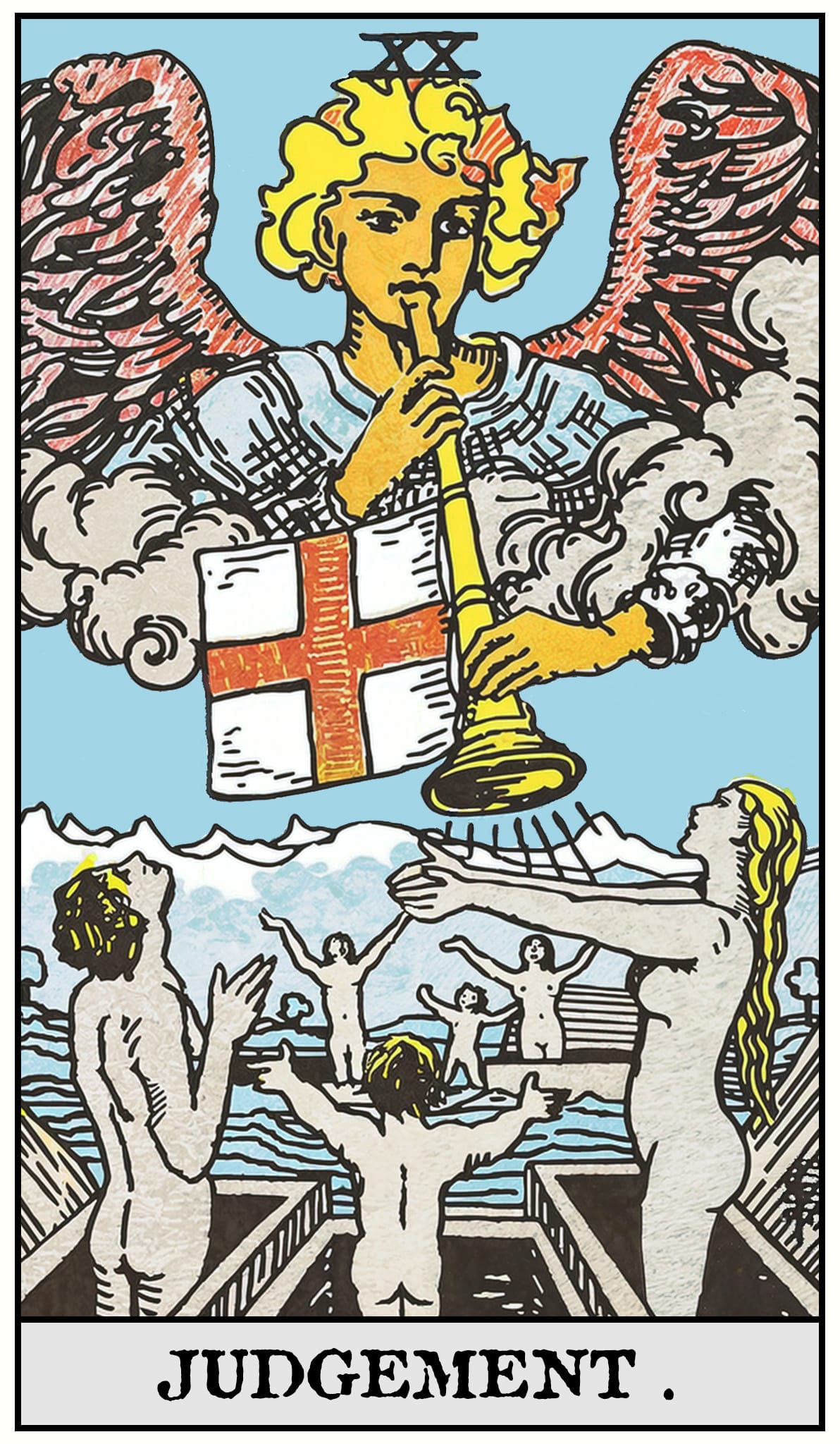
Zero is not a number that counts. It is the number that makes counting possible— the placeholder, the void from which form emerges, the state before the firstdistinction. Pollack reads zero alongside twenty-one as the outer poles of the deck:the Fool who precedes the sequence and the World who completes it are, together,the condition that makes the entire journey possible. Zero contains all numbersbecause it has fixed on none. The Fool's number is not emptiness — it is thefullness of undifferentiated potential. Like the first letter of the Hebrew alphabet,it carries everything before it becomes a single sound.
Zero as shadow trap is the refusal to become a number — the indefinite postponement of form, commitment, or concrete beginning. The person who remains perpetually at zero, indefinitely capable of anything and actually doing nothing, has confused potential with achievement. The Fool must step off the cliff. Zero must become One.
The zero integrated is the capacity to return — to complete a full circuit and arrive again at the condition of openness. The World dancer holds two wands; she has travelled from zero to twenty-one and come back to the Fool's aliveness, now with everything she has learned. Zero is not only the beginning. It is also what completion restores.