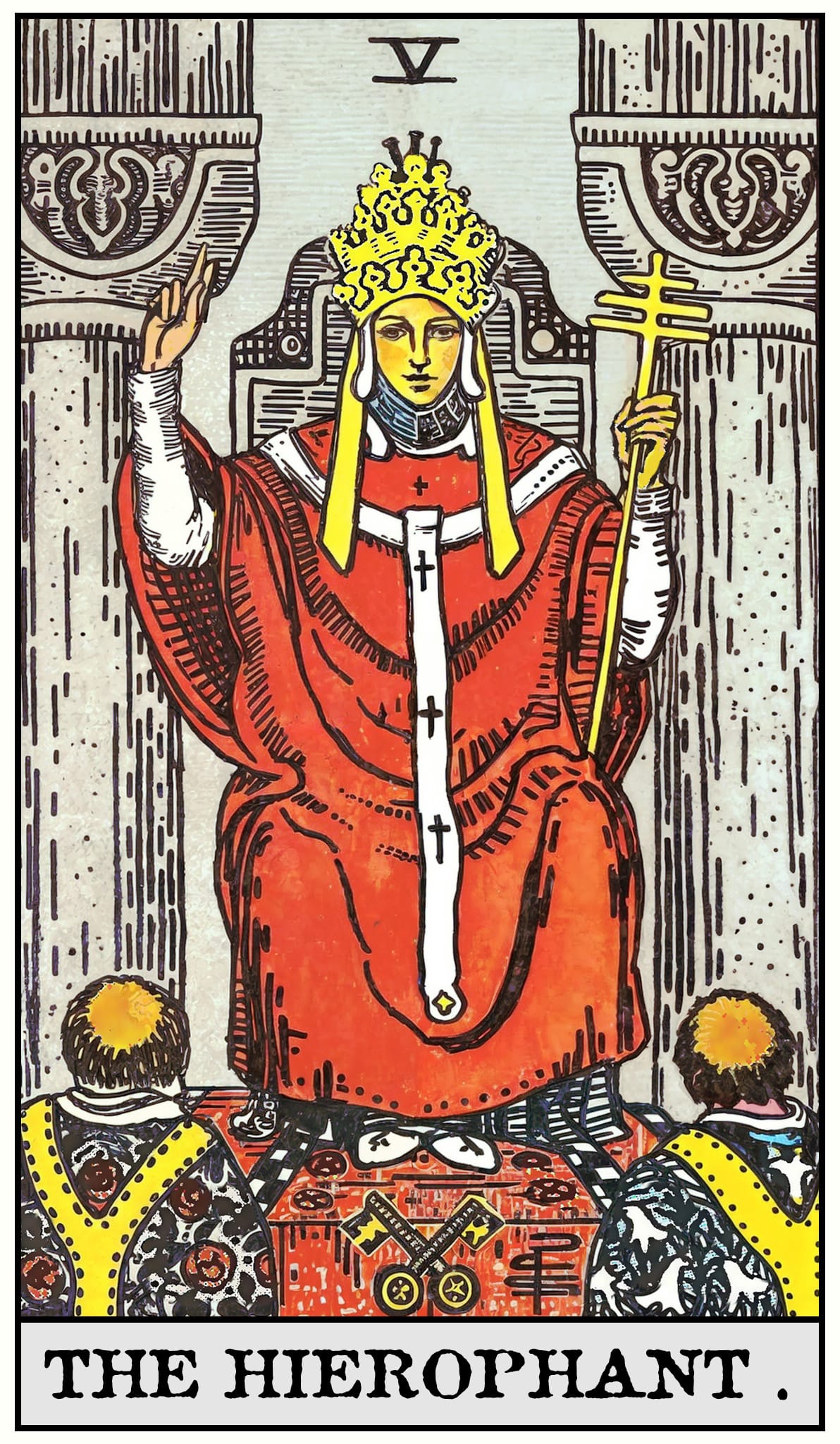
The Hierophant
He sits between two carved pillars with two monks kneeling below him, holding the staff of a triple office — the wilderness has been replaced, entirely, by worked stone.
The Hierophant names the inherited tradition: the accumulated layer of belief, practice, and authority absorbed before it could be examined. This card asks whether the structure one is currently inside is being followed because it is genuinely understood, or because leaving it has not yet become possible.
The tradition that teaches, and the tradition that closes
The Hierophant appears when the situation involves formal transmission — a course, a teacher, a religious community, a profession being entered. He may also signal the demand that conduct conform to the expectations of a tradition not chosen but inherited. He is not, in himself, an answer; he personifies a question: does this situation require submission to an established way of doing things, or exactly the opposite? In his shadow, he is dogma — the doctrine repeated without understanding, the mentor whose authority requires the disciple's permanent obedience, the tradition that has forgotten what it points toward.
The belief absorbed before it could be examined
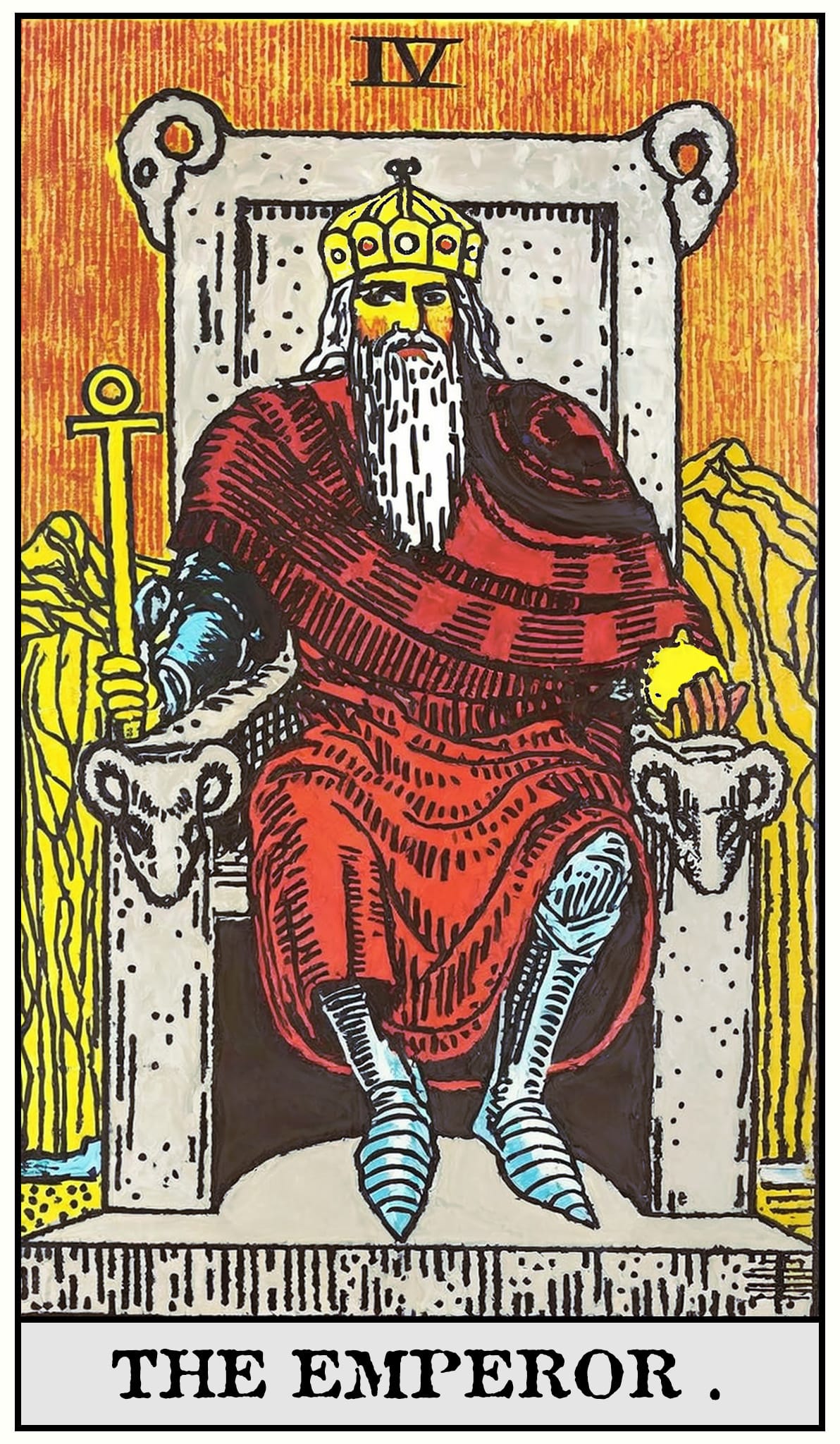
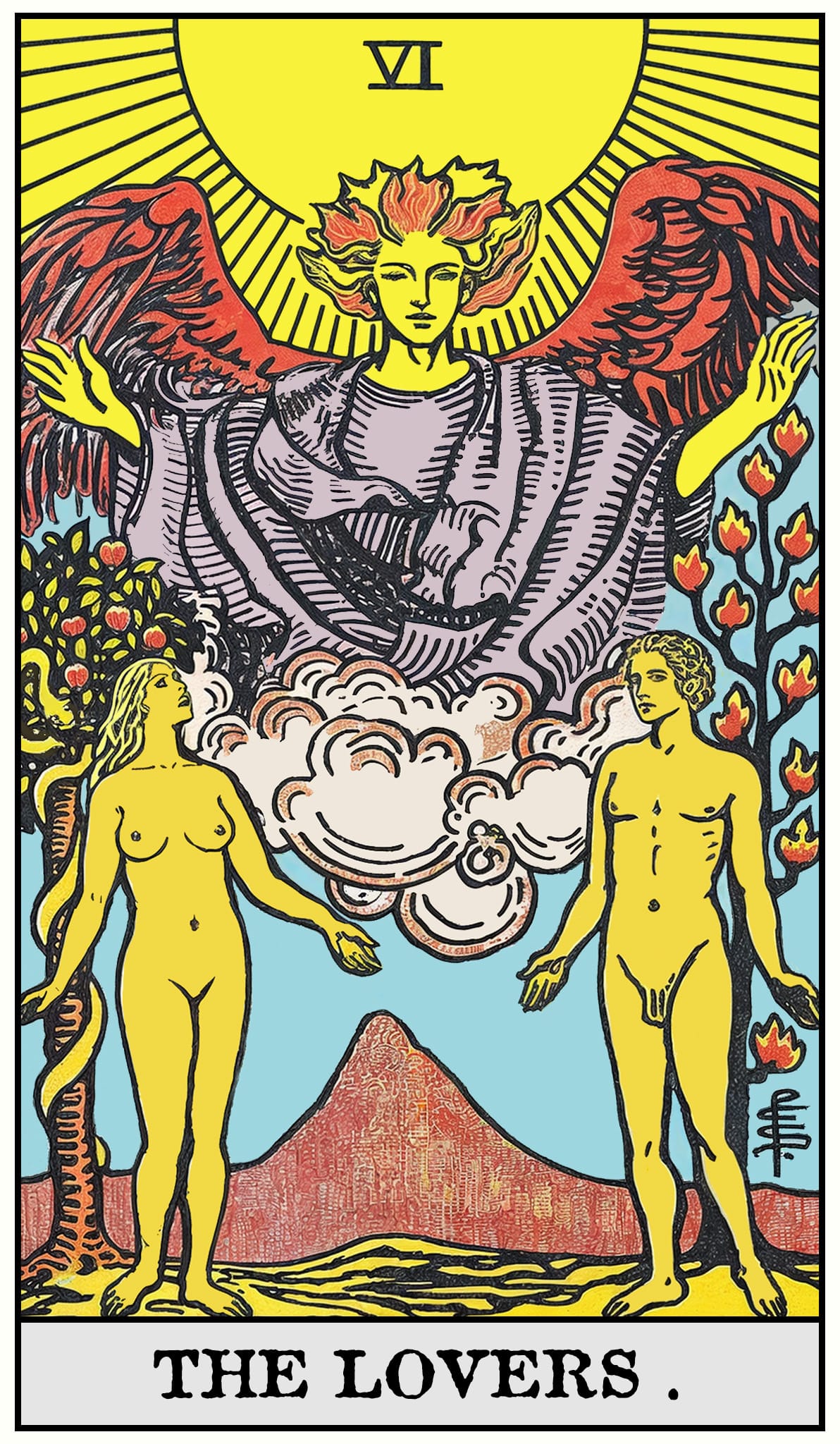
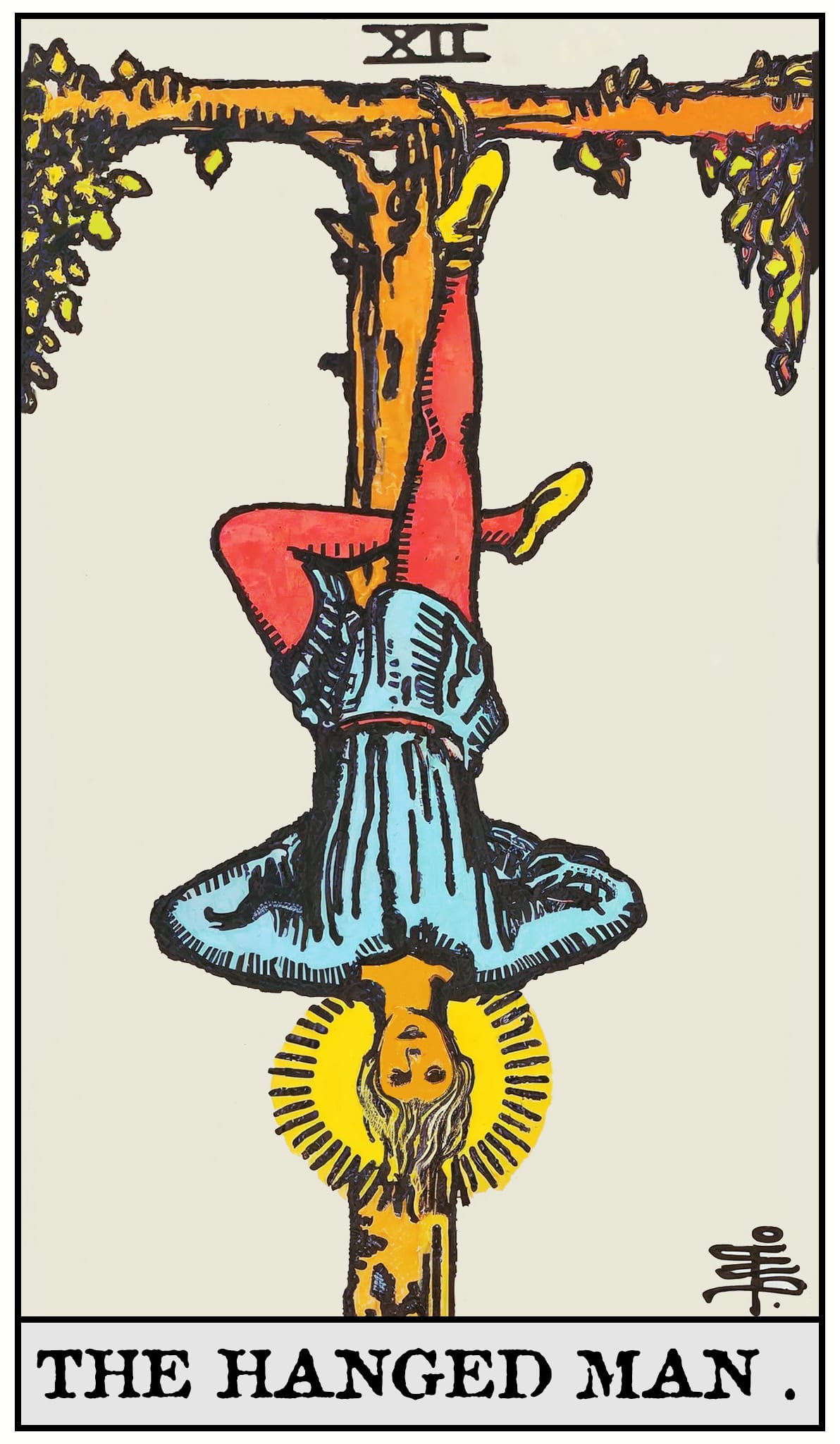
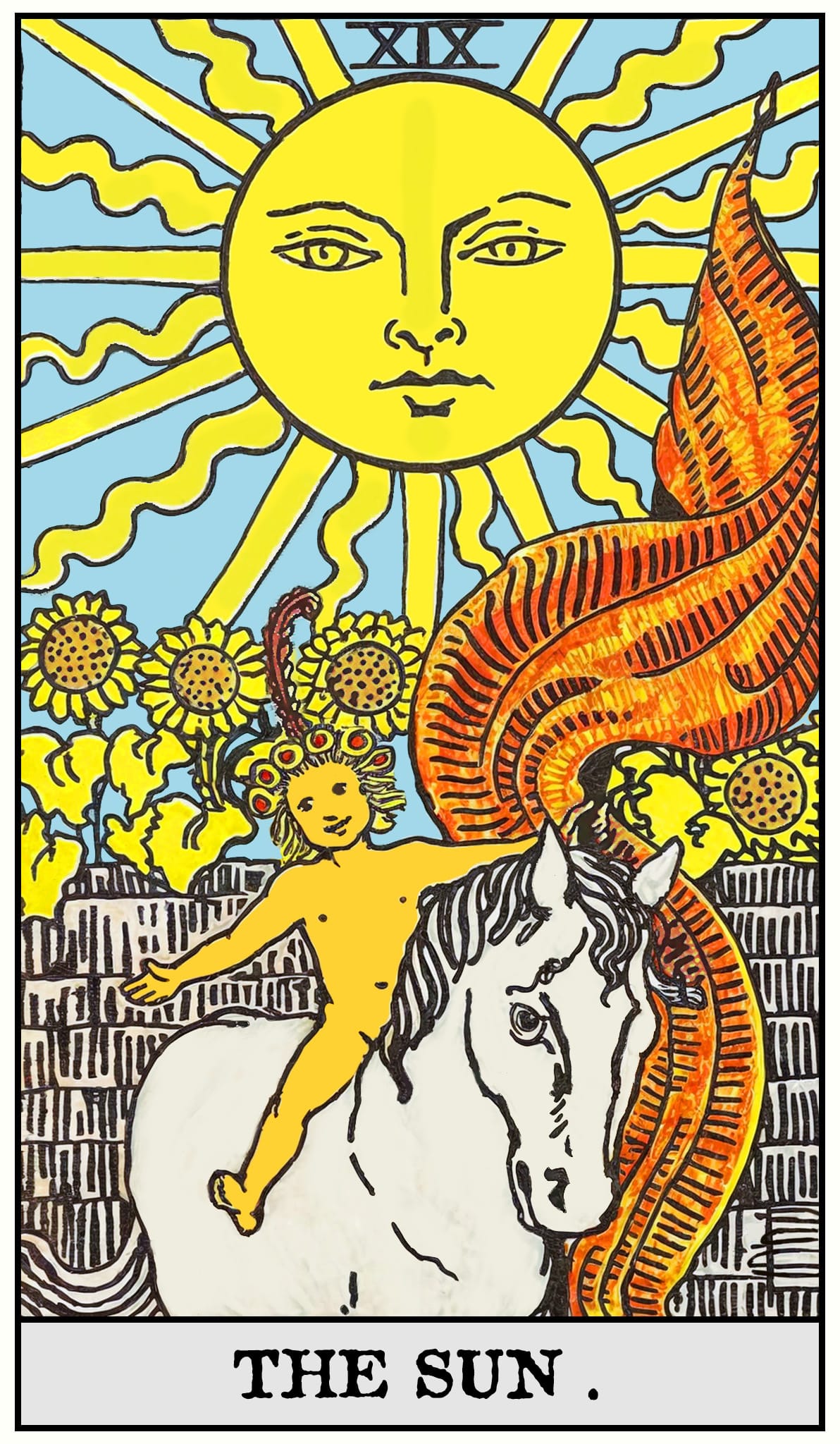
The Hierophant is the internalized tradition — what a person thinks they think before they have thought it. Almost no one's convictions are their own at the start: they are absorbed from family, school, religion, class, and culture before any capacity for examination develops. He sits at five in the first row, between the Emperor's external authority and the Lovers' moment of genuine choice, because the self must first absorb a structure before it can question it. His appearance at midlife often marks the moment when the absorbed tradition has become insufficient and the examination can no longer be deferred. His vertical line — Hierophant at V, Hanged Man at XII, Sun at XIX — traces inherited teaching, the inversion that reveals its limits, and the arrival at what has been understood for oneself.
The complete three-layer reading for all 78 cards — including the full psychological and archetypal layers — is in The Pocket Guide →
Every tradition that preserves wisdom also, in time, uses that preservation as its justification for everything else.
Shadow TrapThe obedience that has become so habitual it presents itself as conviction — the rule followed not because it is understood but because questioning it has never felt safe.
Shadow GiftThe capacity to carry what is genuinely worth carrying from the tradition while releasing what was always the tradition's need rather than your own.
The complete shadow reading — trap, gift, and the practice of integration — for all 22 Major Arcana is in The Shadow Archetype Reference →
We do not read a reversal as an opposite; following Pollack, a turned card is the same energy blocked, withheld, or redirected — not inverted into its negation. A reversed Hierophant often marks the person in the midst of dismantling an inherited structure — the painful process of separating what was genuinely true from what was merely enforced, and discovering how little they were ever taught to tell the difference.
Why Apocrypha Does Not Read Reversals as Opposites →Sixty-three symbols across the full deck — cross-referenced by card and meaning — are mapped in The Symbol Dictionary →
What tradition or teacher are you still obeying without having examined? And when you look honestly at that obedience: how much of it is genuine recognition of something worth following, and how much of it is the fear of what you would have to become if you stopped?
The Hierophant is most often either dismissed as the card of rigid institutions or romanticized as the card of genuine spiritual transmission. The harder reading holds both simultaneously: every tradition contains both the wisdom that made it worth preserving and the institutional rigidity that accumulated around that wisdom over time. The card's real question is which element is currently in the foreground of the situation, and whether the reader is in a position to tell the difference.