Section VIII

The Botanical

Rose · Lily · Pomegranate · Wreath · Sunflower · Vine & Fruit

The Rose

White & Red · Beauty in Contact
Appears In

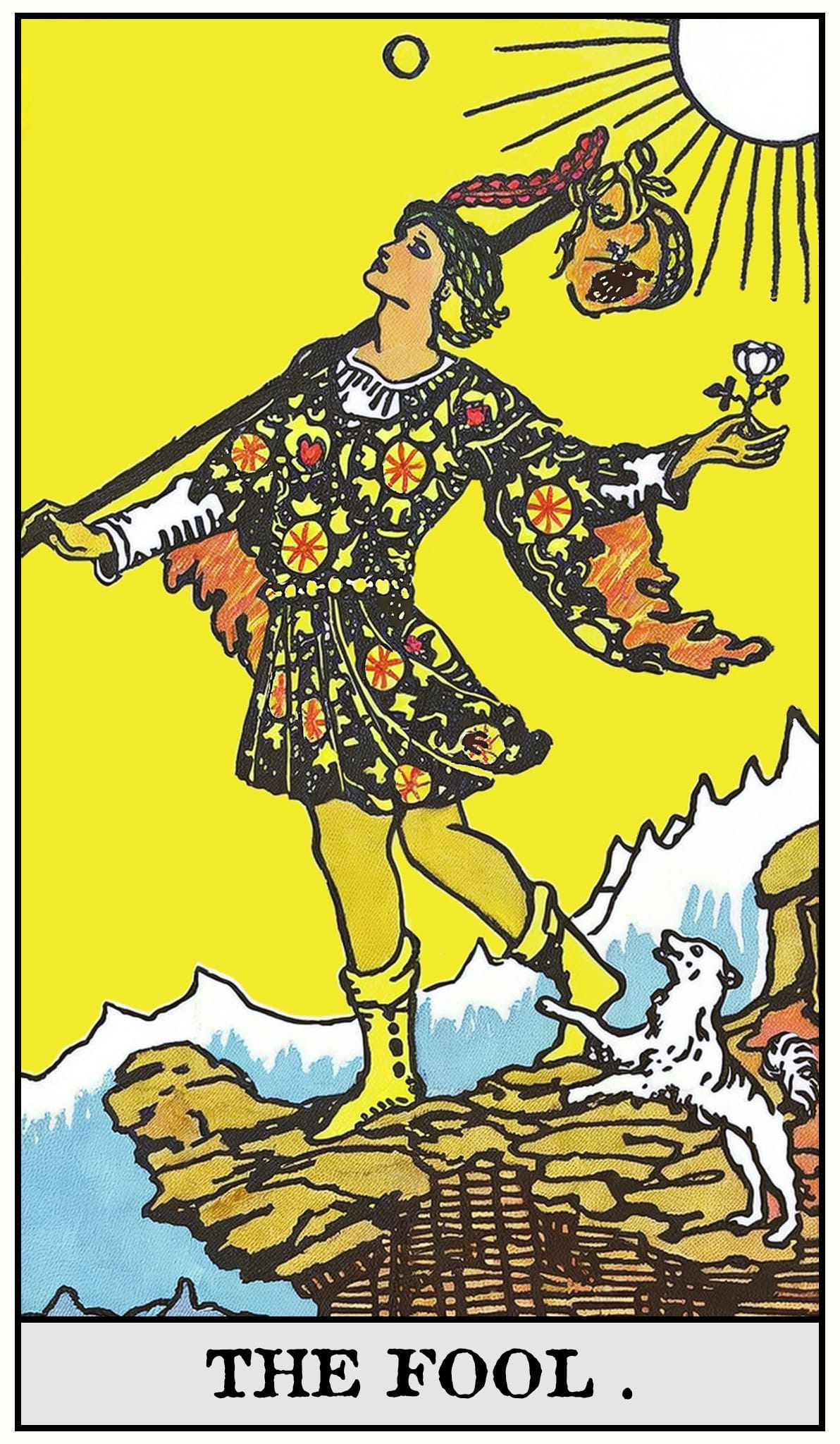
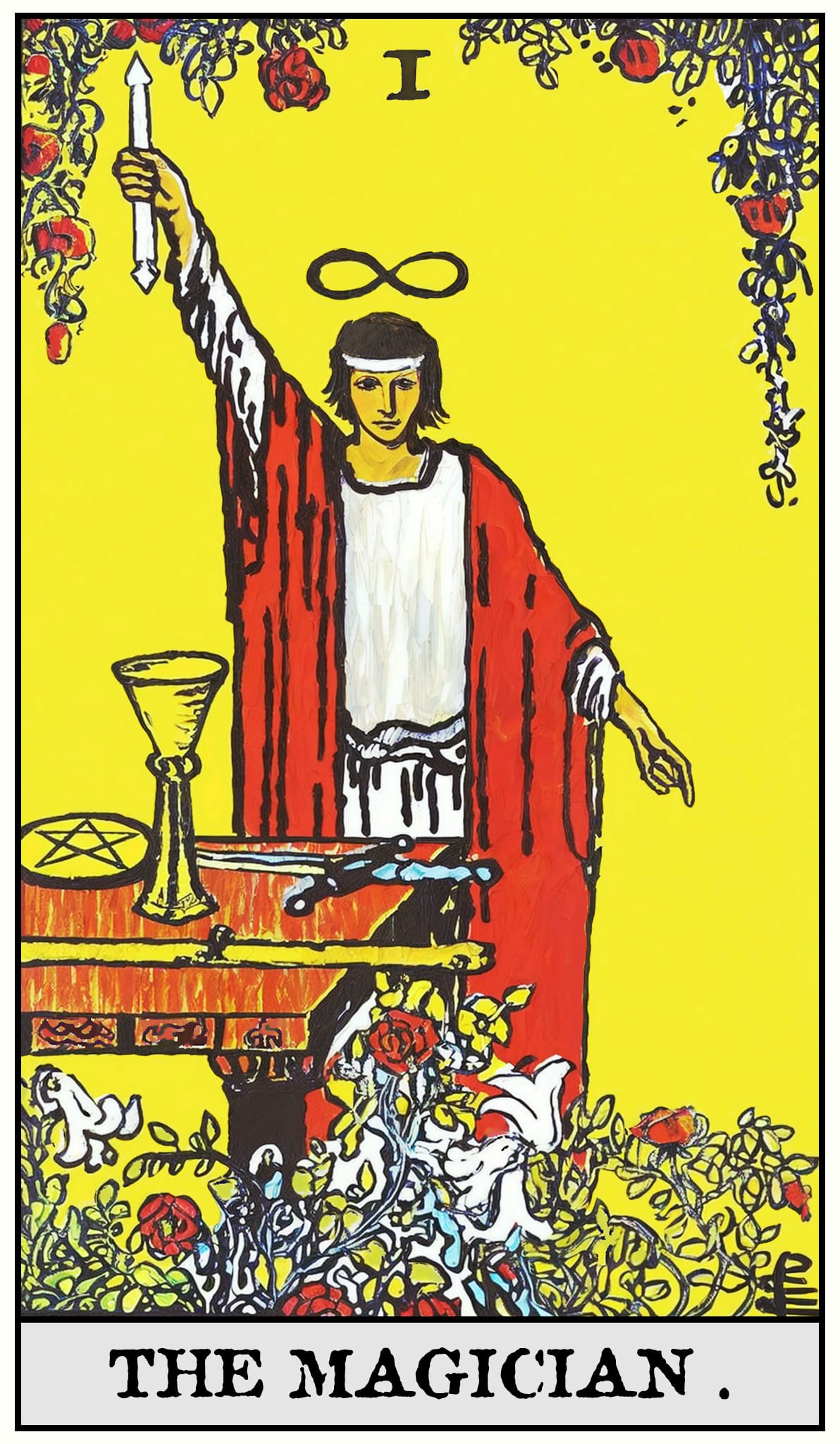
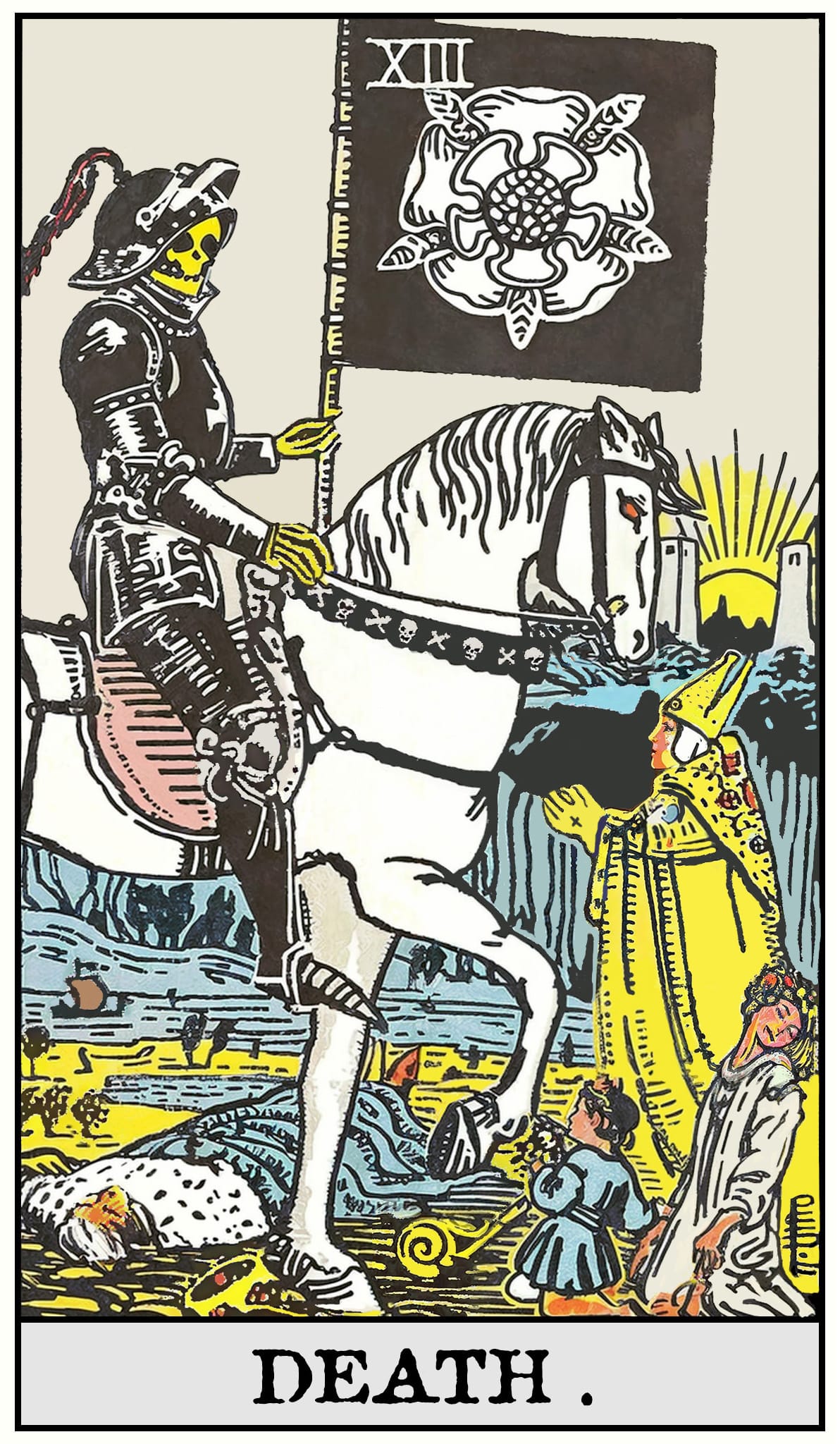
The white rose is the opening state: purity as potential, the quality that has not yet engaged with the world's complications. The Fool holds it in his left hand —the unconscious, receptive side — as he steps toward the cliff. The red roses in the Magician's garden are the same flower after meeting the world: beauty that has been in contact with life. Death carries a black flag with a white rose: the purity of absolute change, beauty that has survived its encounter with transformation. Pollack reads the rose across its appearances as the principle of beauty that is also vulnerability — the most fragile flower that has the most powerful scent.

In Shadow

The rose as shadow trap is the preference for beauty over truth — the arrangement of life to preserve the white rose's original condition, which requires not putting it down, not letting it make contact, not allowing it to age. The white rose that never becomes red has been protected out of its full life.

Integrated

Death's white rose on a black background is the integrated rose: beauty that has survived its own encounter with transformation. Not the original purity, but the purity that exists on the other side of the ending. The rose remains white after the flag becomes black.
The Lily

Spiritual Aspiration
Appears In

The white lily in the Magician's garden marks the spiritual aspiration of his work: the impulse toward what is above. Where the roses mark beauty in contact with the world, the lilies mark purity in aspiration. They grow in the same garden — the Magician tends both. The lily is not the work itself but the quality that motivates it, the reaching toward something larger than the object being created.

In Shadow

The lily as shadow trap is spiritual bypassing — the use of purity as a way of remaining above the complications that growth requires. The person who cultivates only lilies and no roses has a one-sided relationship with their own spiritual life: reaching upward without rooting downward.

Integrated

The integrated lily co-exists with the rose — the spiritual aspiration that sustains creative work without replacing it. The Magician grows both in his garden. His work is grounded and ascending simultaneously.

The Pomegranate

Interior Abundance & The Veil's Pattern
Appears In

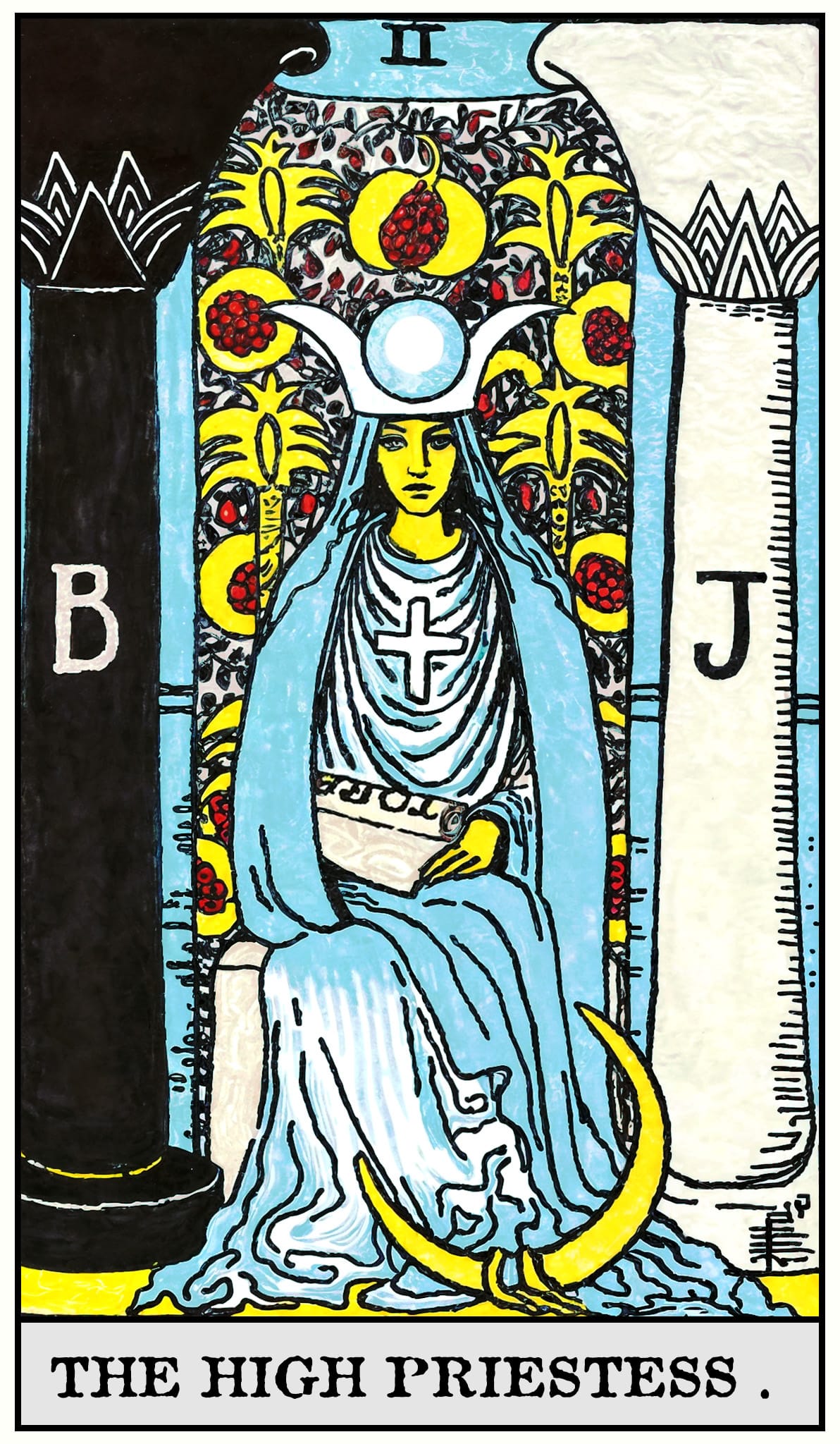
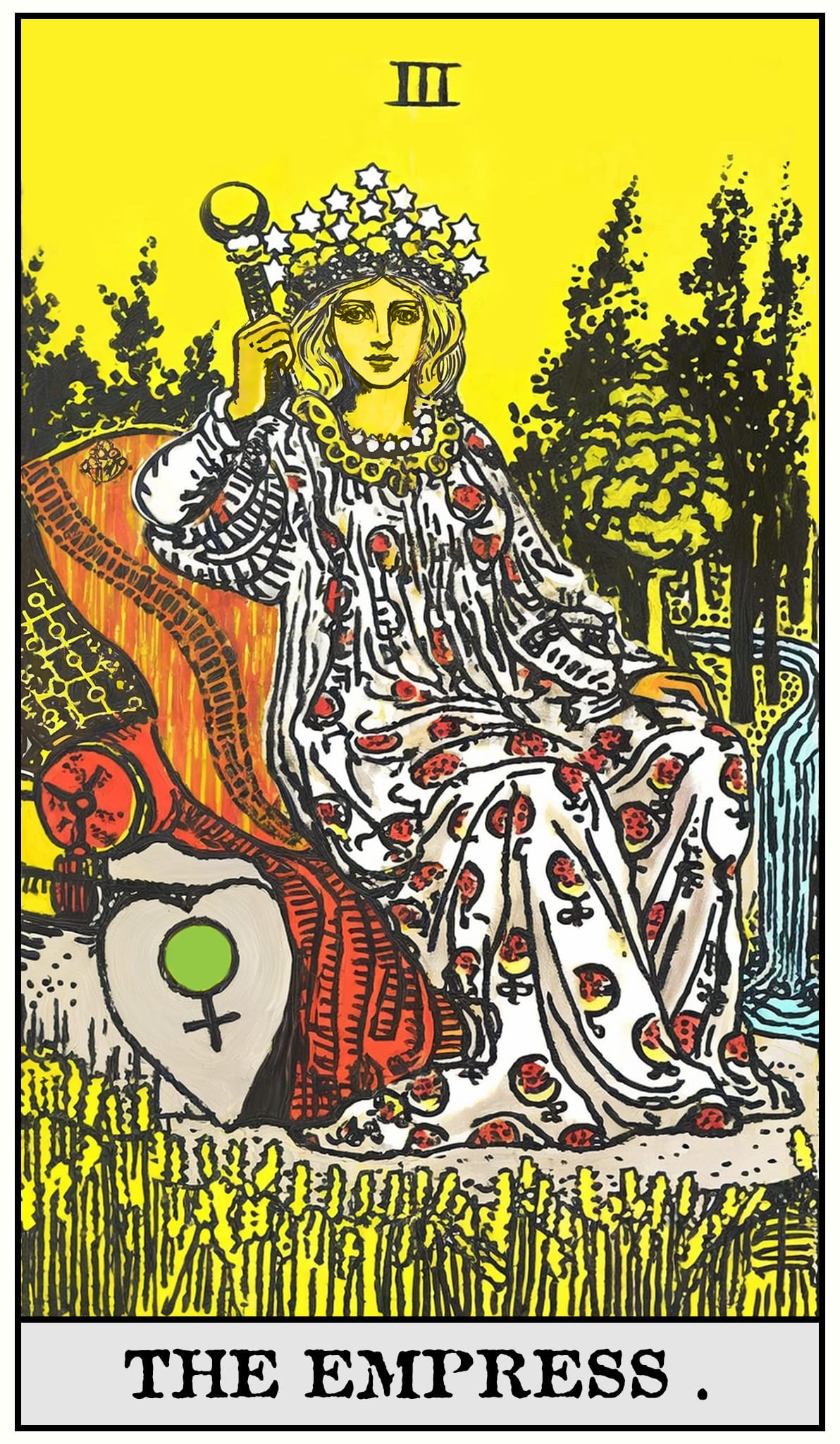
The pomegranate contains its seeds in extraordinary interior density — the abundance visible only when the fruit is broken open. In Greek myth, Persephone's eating of the pomegranate seeds binds her to the underworld — the irreversible step into knowing what lies below. The High Priestess's veil is embroidered with pomegranates: the veil between consciousness and the unconscious is the skin of this fruit, patterned with the symbol of the interior world it conceals. On the Empress's robe, the same fruit marks her body with the mystery of her own fertility.

In Shadow

The pomegranate as shadow trap is the smooth, hard exterior that gives no sign of what it holds — the interior richness sealed away because opening it would be irreversible. The person who keeps their depth unbroken and therefore unshared starves on a full store. Abundance that is never opened functions as emptiness.

Integrated

The integrated pomegranate is the Persephone moment: the knowledge accepted along with its cost. To break the fruit open is to be bound to what it reveals — the descent joins your seasons, and the interior abundance becomes real by being eaten, shared, and returned to.

The Wreath

The Completed Arc
Appears In

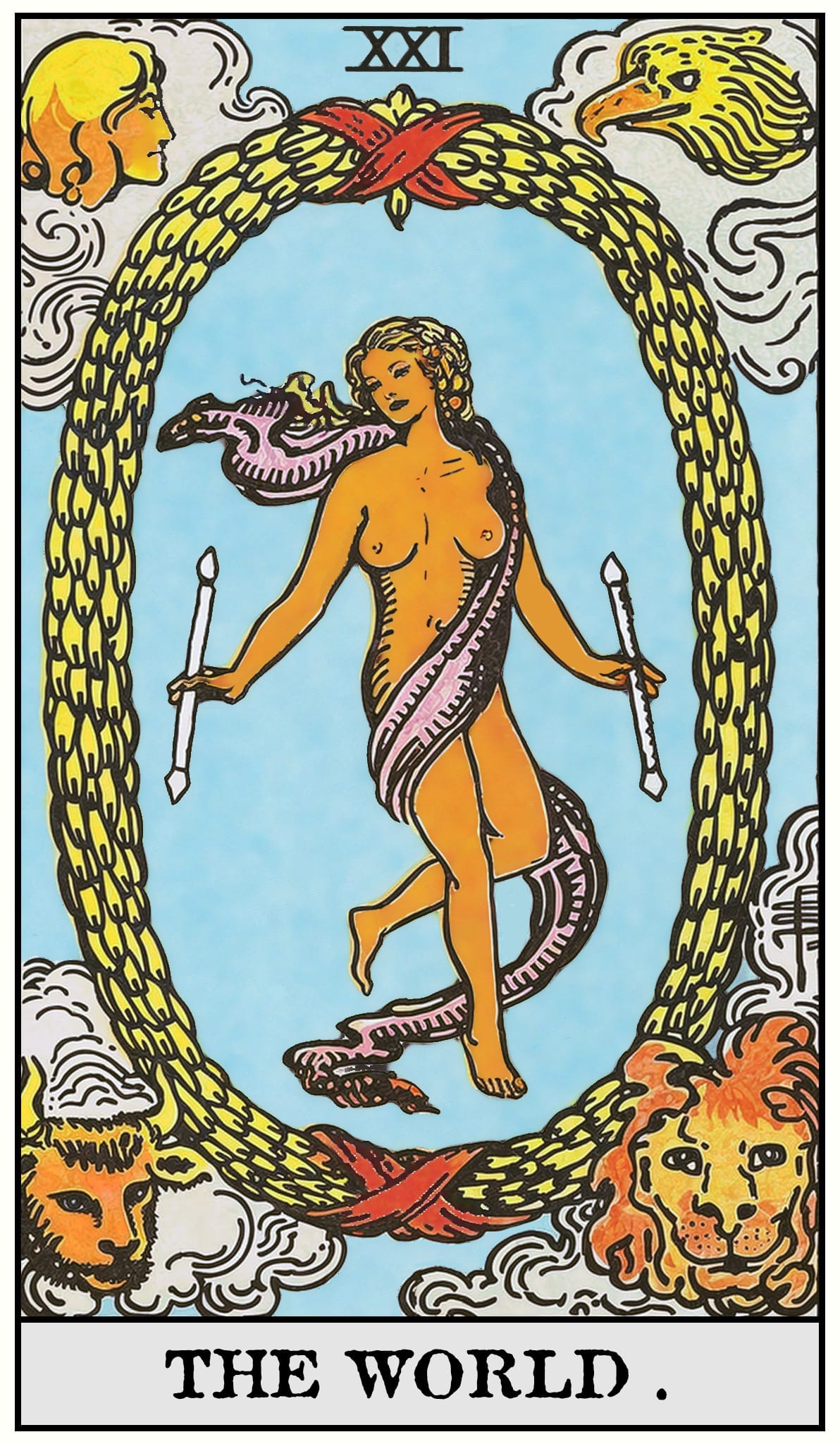
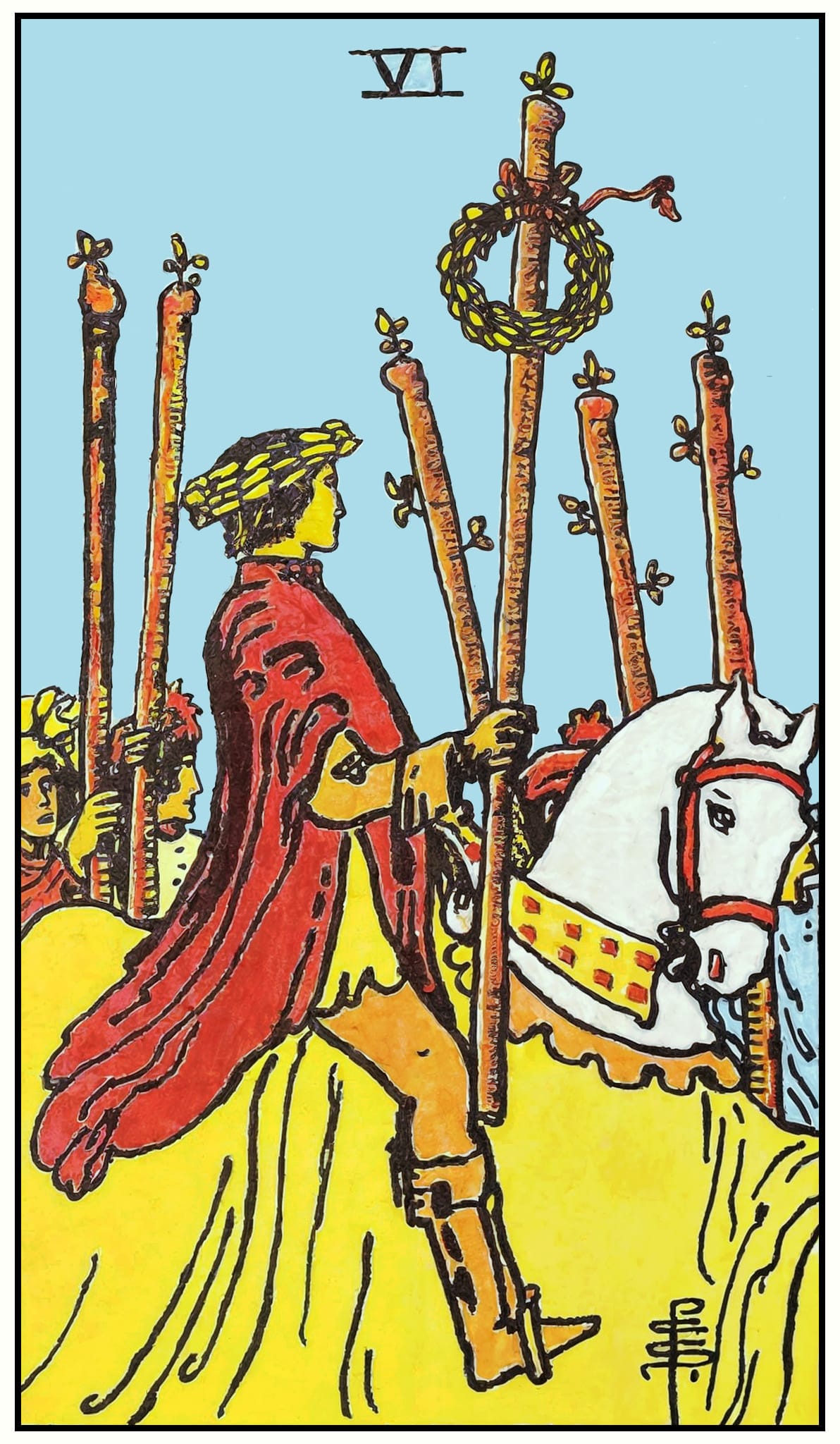
The wreath in the World card is the mandorla — the oval shape made of leaves and flowers, encircling the dancer without containing her. It is a crown that does not sit on the head but surrounds the whole body. In the Six of Wands it marks specific achievement: the victory processional. In the World it marks something different: not the victory of one battle but the completion of the entire arc. The wreath holds the dancer; it does not bind her. It is the outer boundary of the integrated self — not a wall, but a form.

In Shadow

The wreath as shadow trap is the decoration placed before the journey is complete — the achievement substituted for integration. Pollack notes the World reversed most often means: almost there, the last threshold avoided. The wreath placed on the head of someone who has not yet danced.

Integrated

The wreath as completion symbol means that the dance is the wreath — the dancer does not wear it; she is held within it. The laurel does not make you complete. Completion produces the laurel. The distinction matters.

The Sunflower

Heliotropism · Voluntary Orientation
Appears In

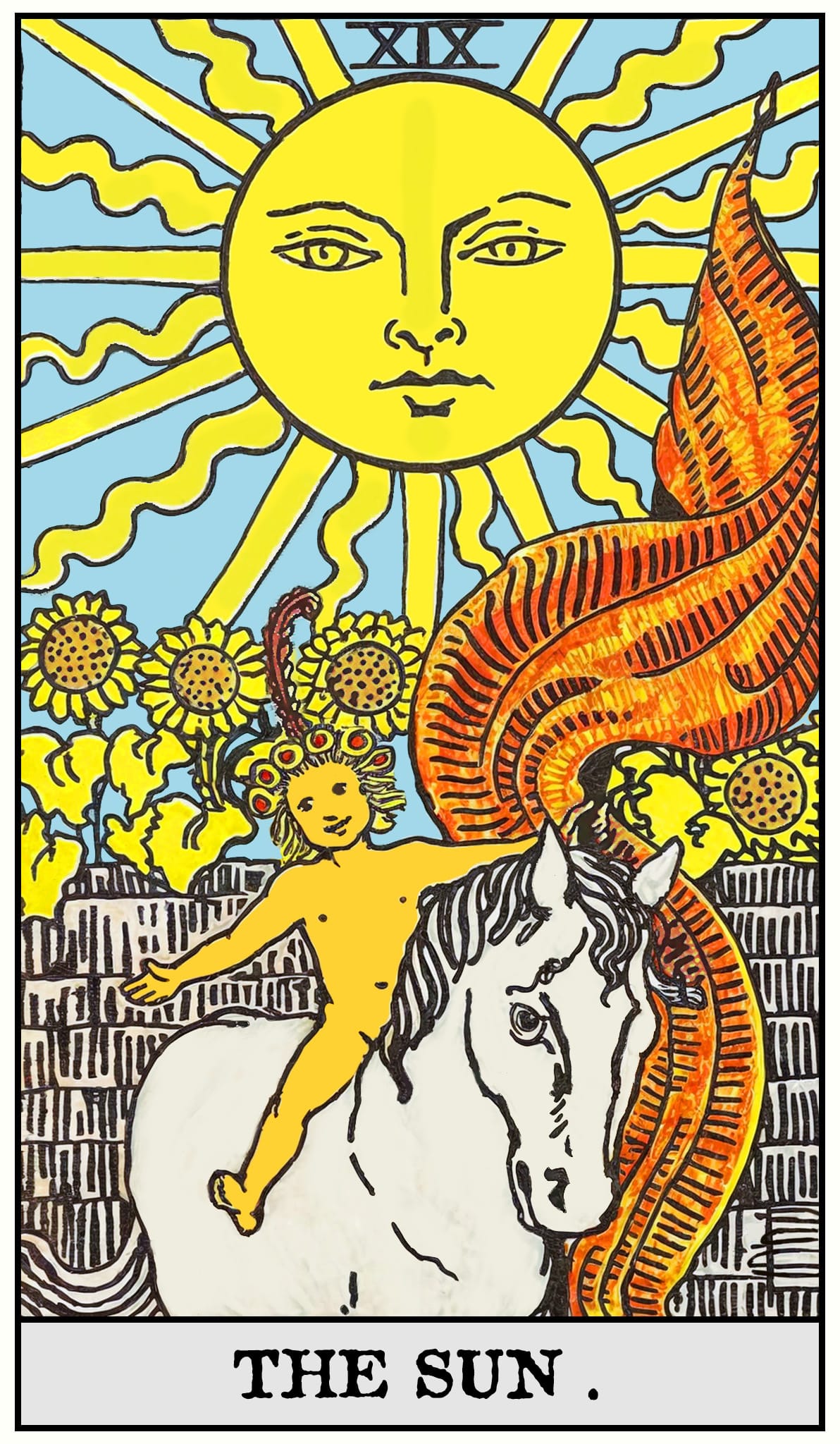
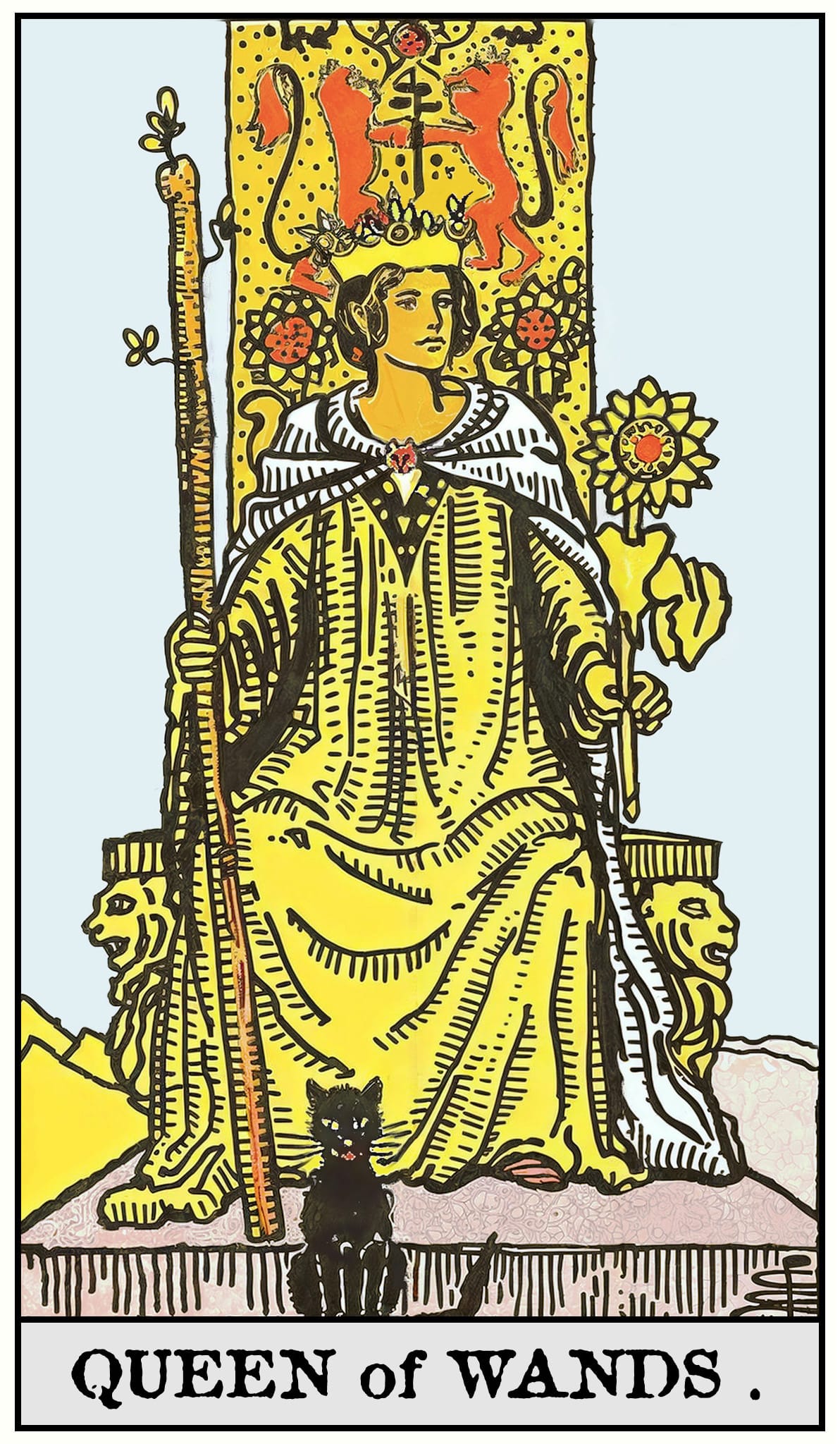
The sunflower follows the sun — its face tracks the solar movement through theday, never losing orientation to the source of its life. The garden wall behind theSun child is covered with sunflowers: the whole world oriented toward the light.In the Queen of Wands, the sunflower is carried as a deliberate emblem: I havechosen to face this way. The heliotropic quality is its defining characteristic — itdoes not resist the turn. It is constituted by it.

In Shadow

The sunflower as shadow trap is orientation surrendered rather than chosen — the life that tracks whatever light is nearest: approval, attention, the strongest personality in the room. A flower that turns toward every passing brightness has no direction of its own, only reflexes.

Integrated

The Queen of Wands holds the sunflower; she is not held by it. The integrated sunflower is orientation as a standing choice — a source selected and returned to daily, deliberately. To know what you face toward, and to keep facing it when the light is behind clouds.

The Vine & Fruit

Organic Growth
Appears In

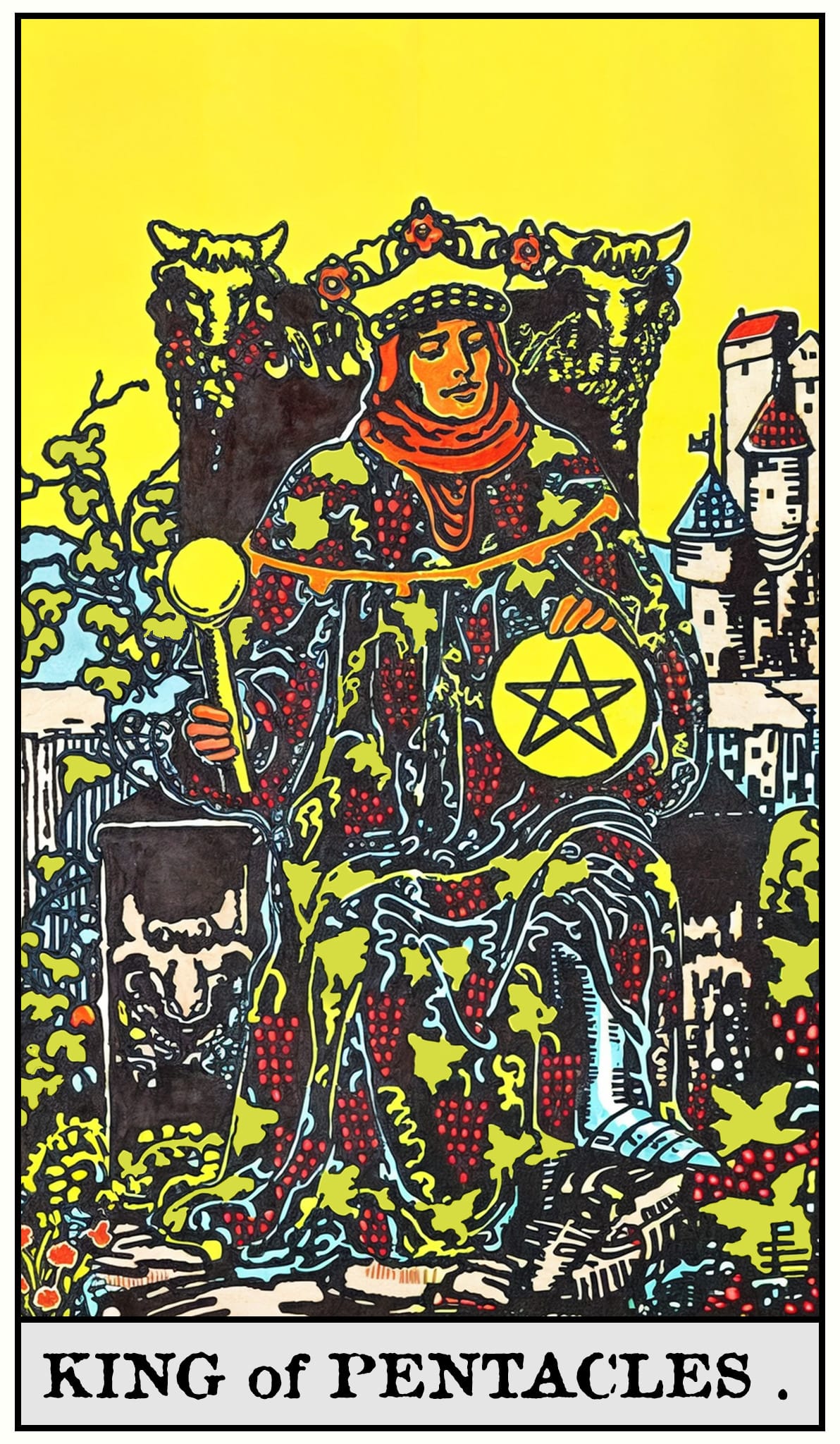
The vine is the tarot's symbol of organic growth — unlike the cultivated garden,it grows without formal arrangement, finding its support and expanding throughavailable space. The Empress's fertility extends to grapes and grain: abundancethat has moved through its full cycle, from seed to harvest. The King of Pentaclesis robed in vines: material success as a living, growing thing rather thanaccumulated static wealth. What the vine produces is both specific and beyondthe planter's control.

In Shadow

The vine as shadow trap is growth without form — the sprawl without direction, the abundance that overwhelms the structure meant to support it. Fertility without discernment produces the Seven of Cups: all possibility, no reality.

Integrated

The integrated vine is growth in relationship with structure — not controlled but trained. The vine that grows without training is beautiful and unharvestable. The Empress's vines and the King's robe both show the organic world in productive relationship with human presence.