The Mountain
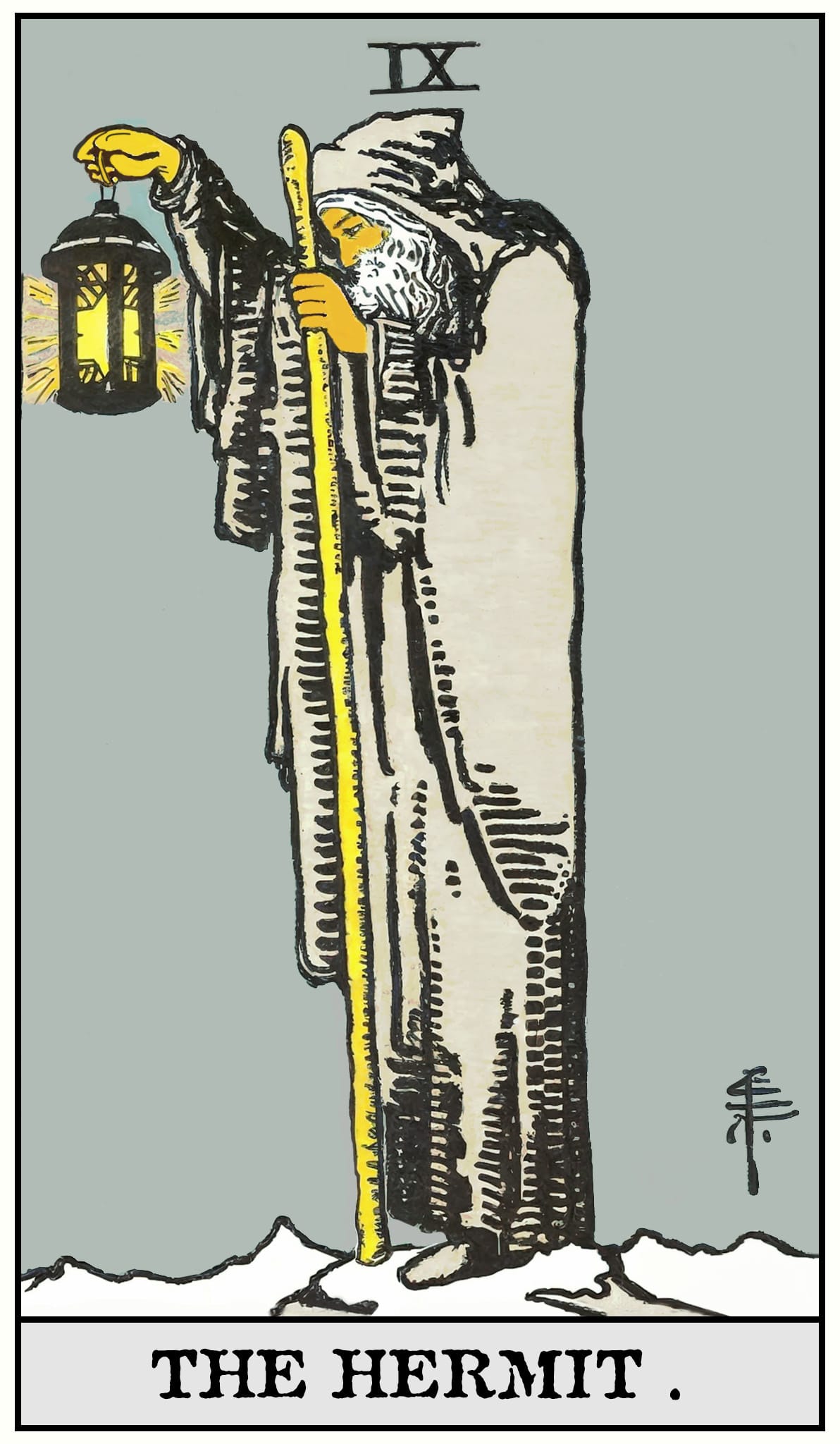
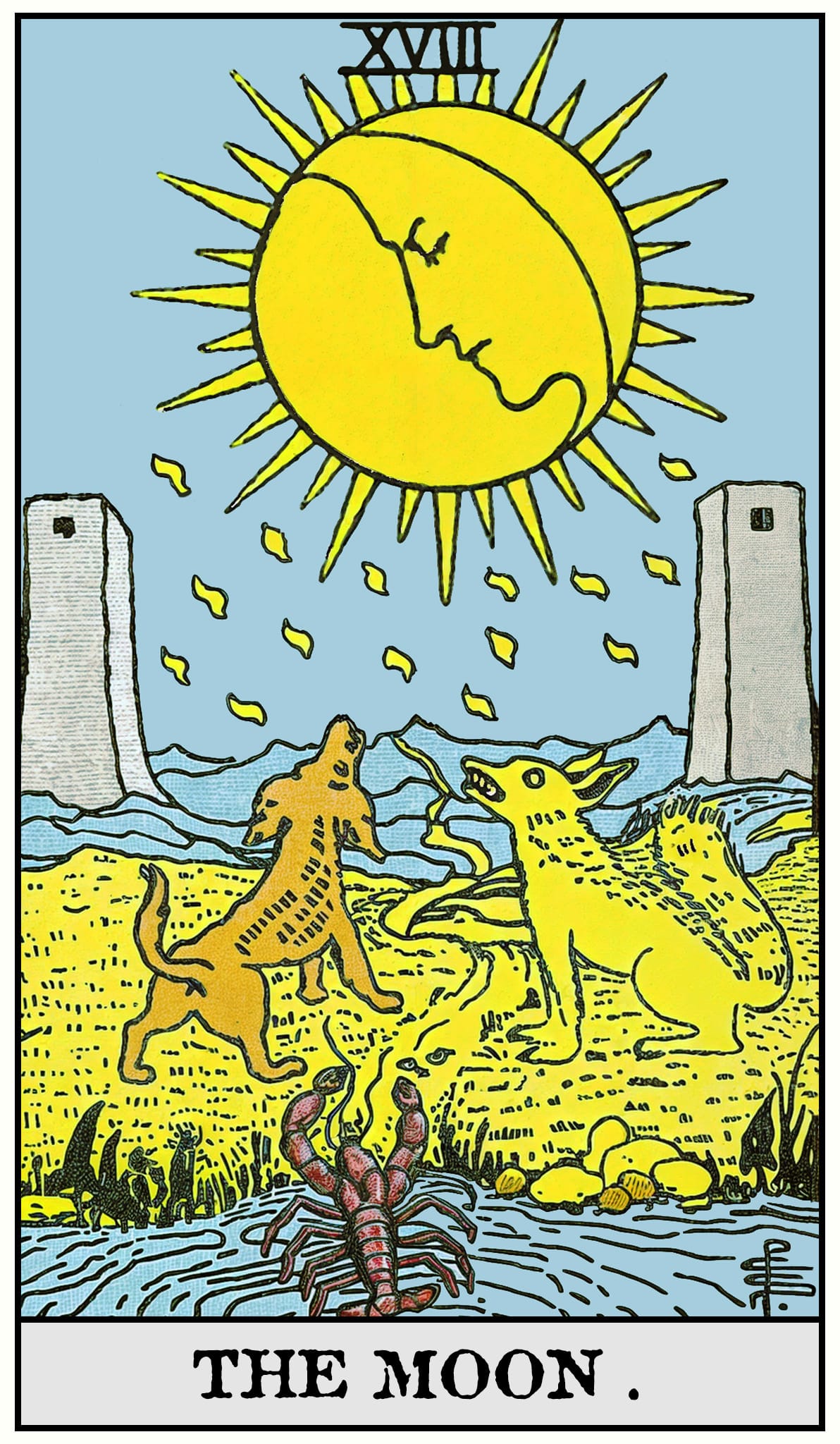
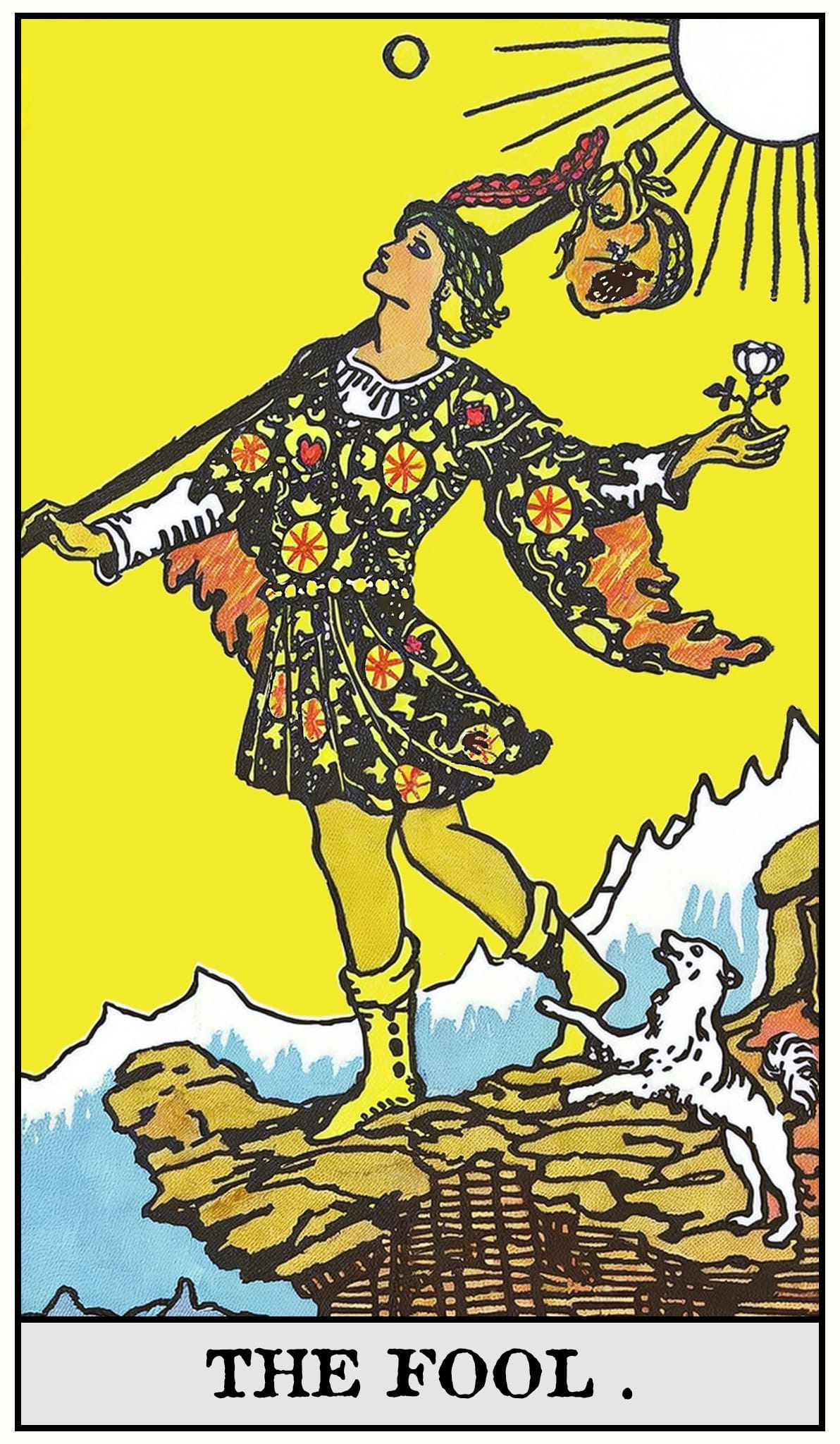
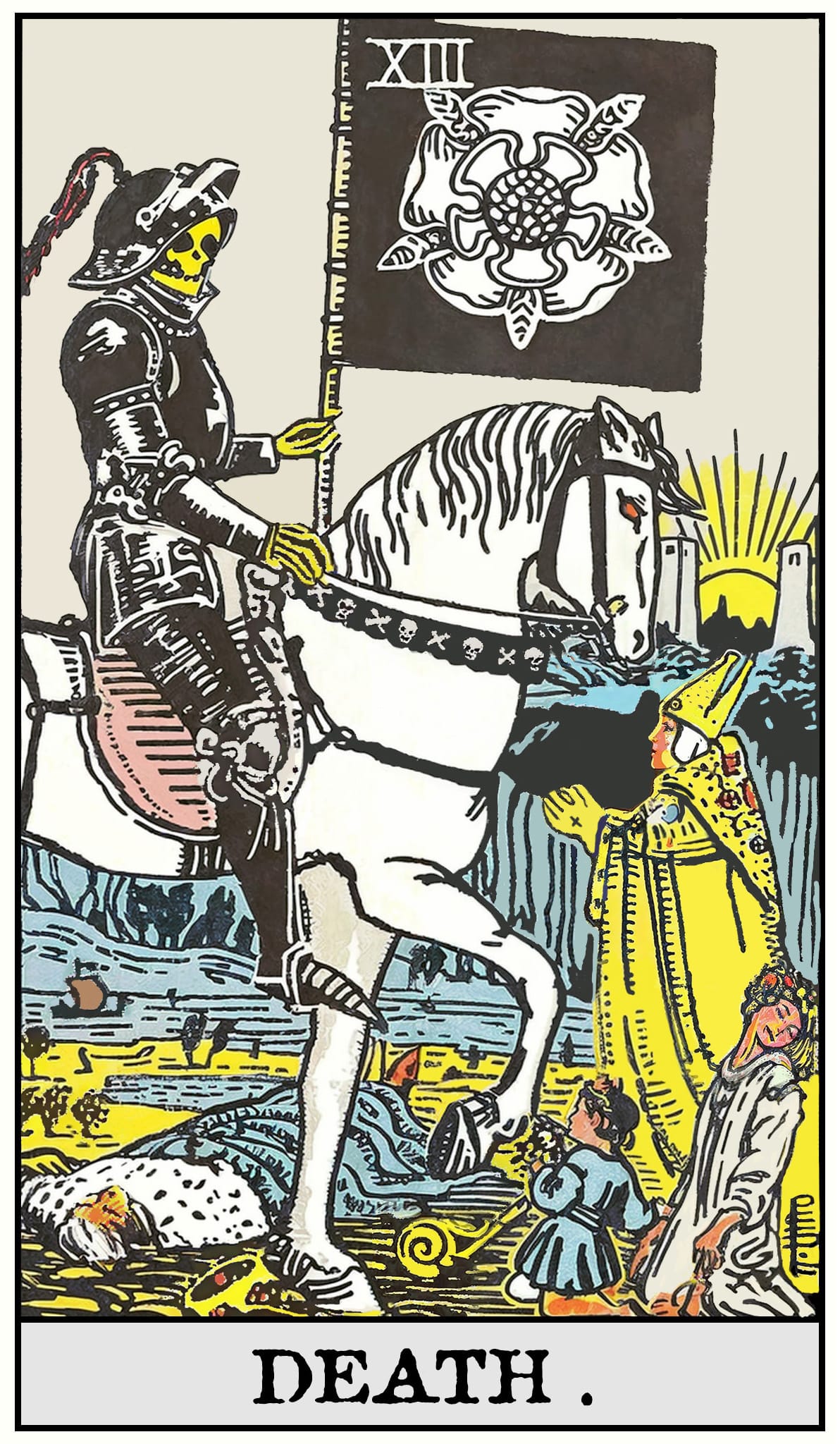
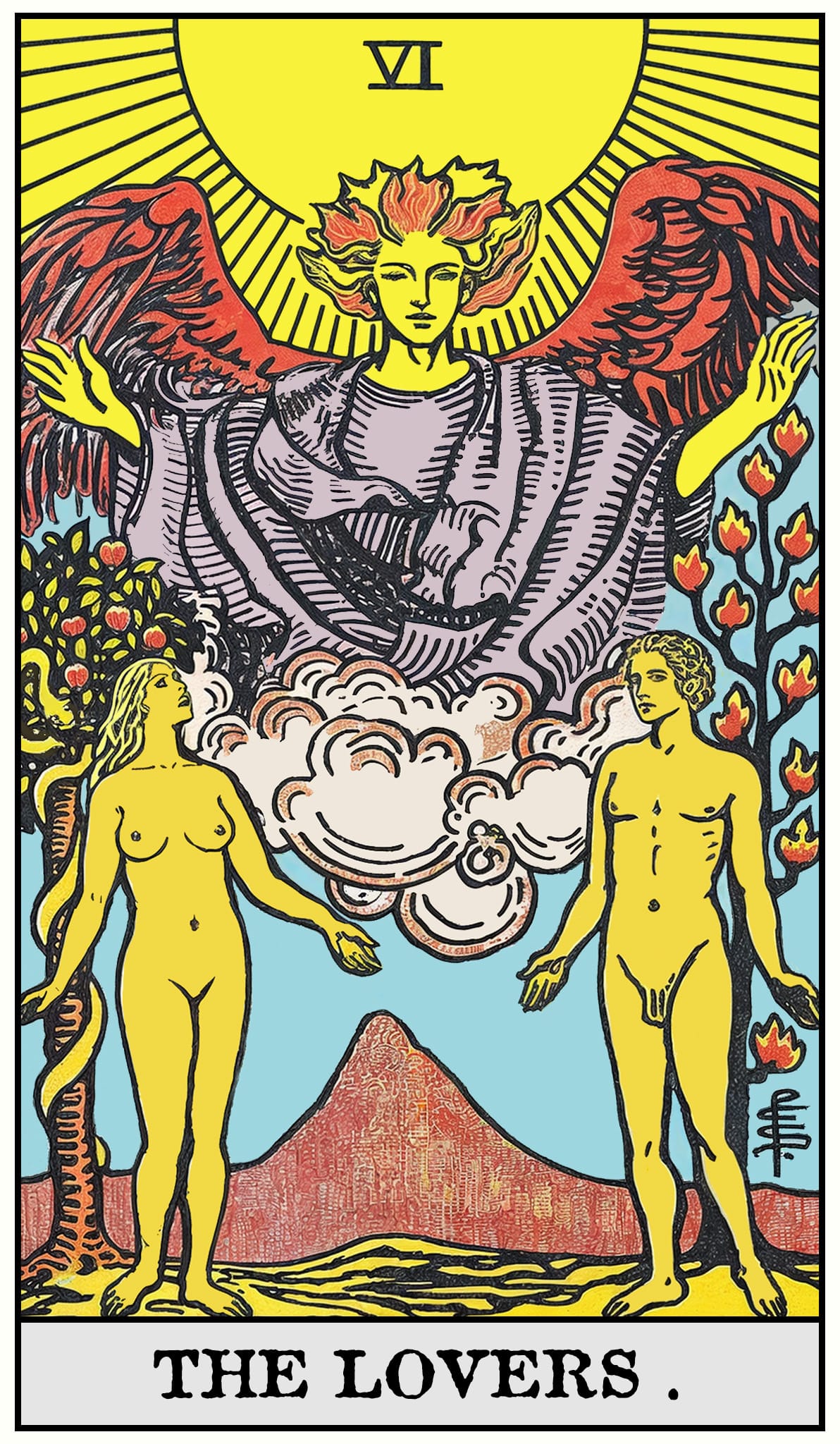
Mountains in the Rider-Waite-Smith are almost always in the background —the destination implied, not yet reached, or the height from which the figure looks down. The Hermit has climbed and stands at his summit, holding the lantern out. The Fool approaches the cliff edge with mountains rising behind him. Death rides past mountains still to be faced. The Moon's path leads between the towers toward distant peaks. In each case the mountain marks the aspiration: what lies ahead, what must be earned, what is higher than where you stand. The Hermit is the only figure already at his mountain's top — and from there, he lights the path for others.
The mountain as shadow trap is the aspiration that becomes an excuse for not inhabiting the present altitude — the life oriented perpetually toward a summit not yet reached, the current position described as a temporary stop on the way to somewhere more significant. The Hermit is not climbing toward a higher mountain. He is at his height and offering what he has found there.
The mountain integrated is the goal held without the compulsion toward it: the direction that organises movement without making the present moment only a means to an end. To be genuinely at the altitude one has reached.