The Two Pillars
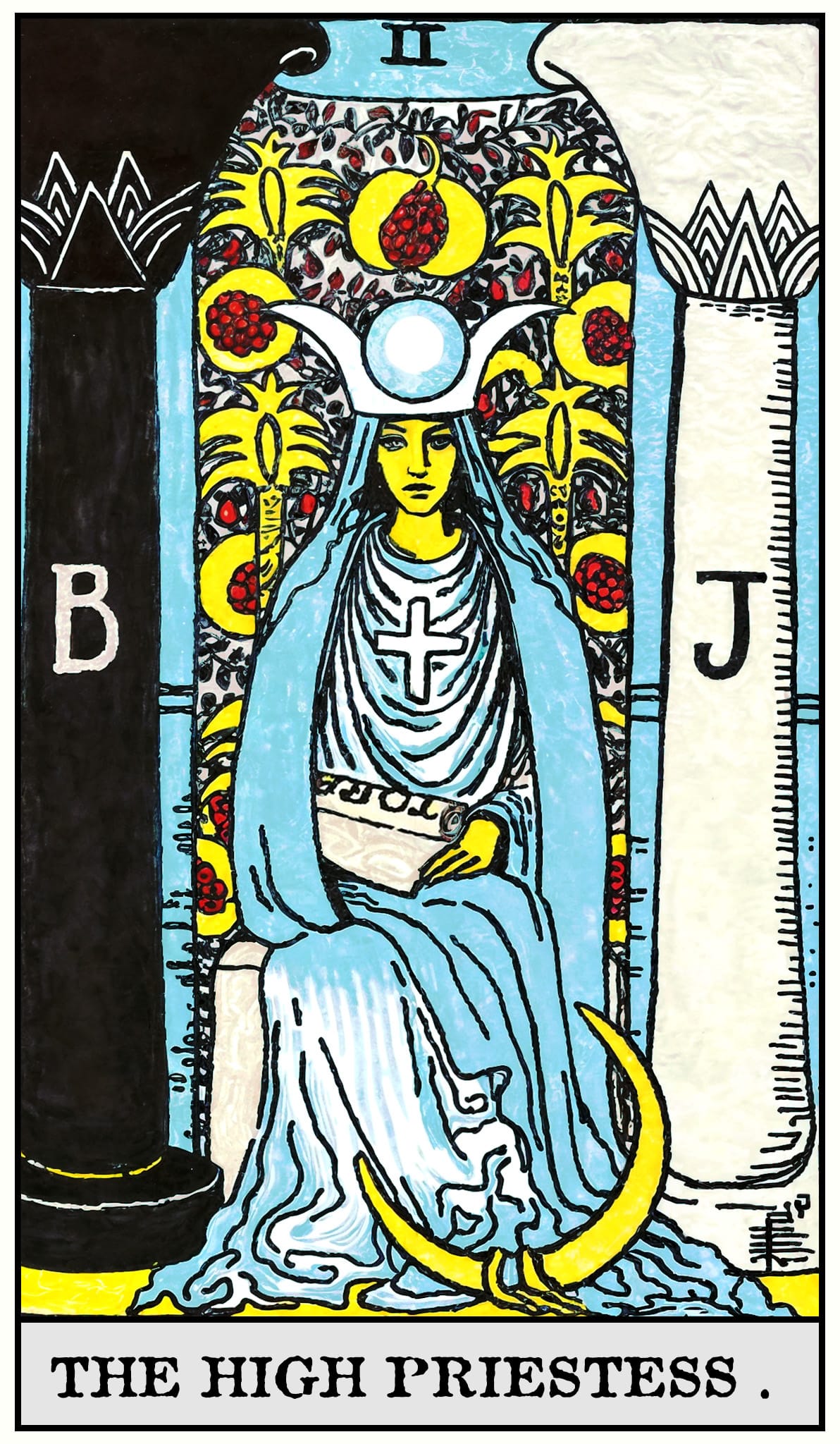
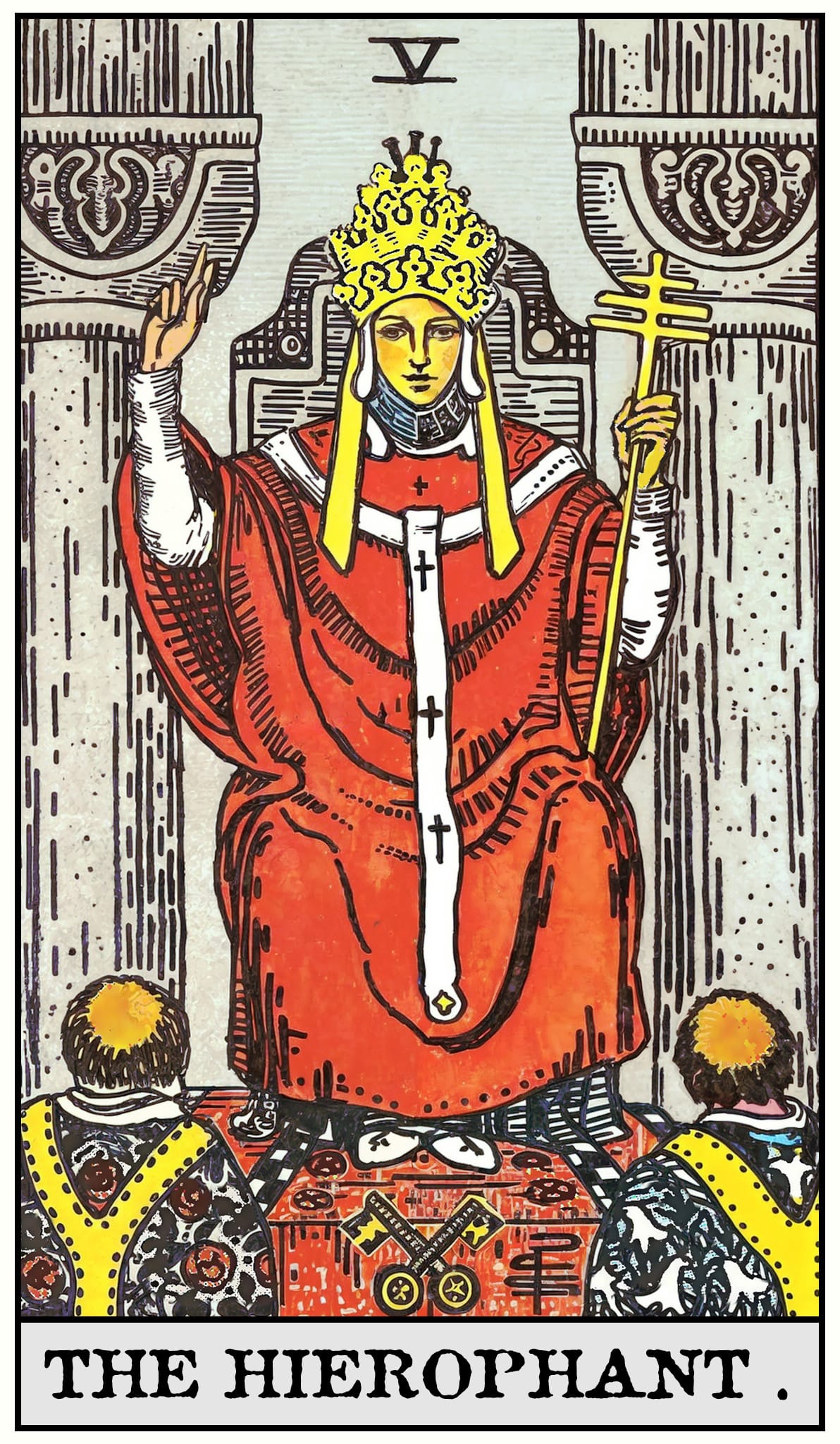
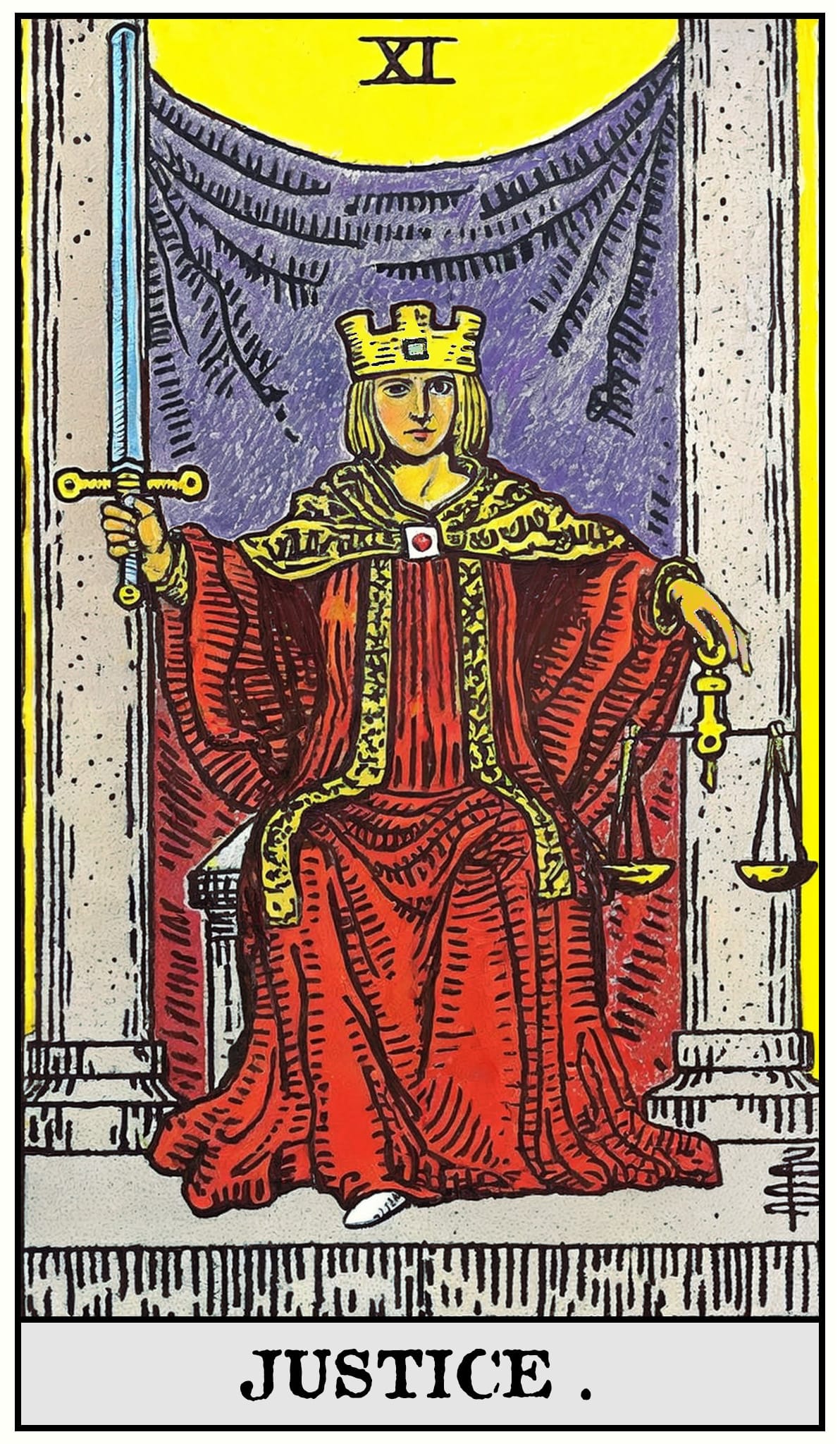
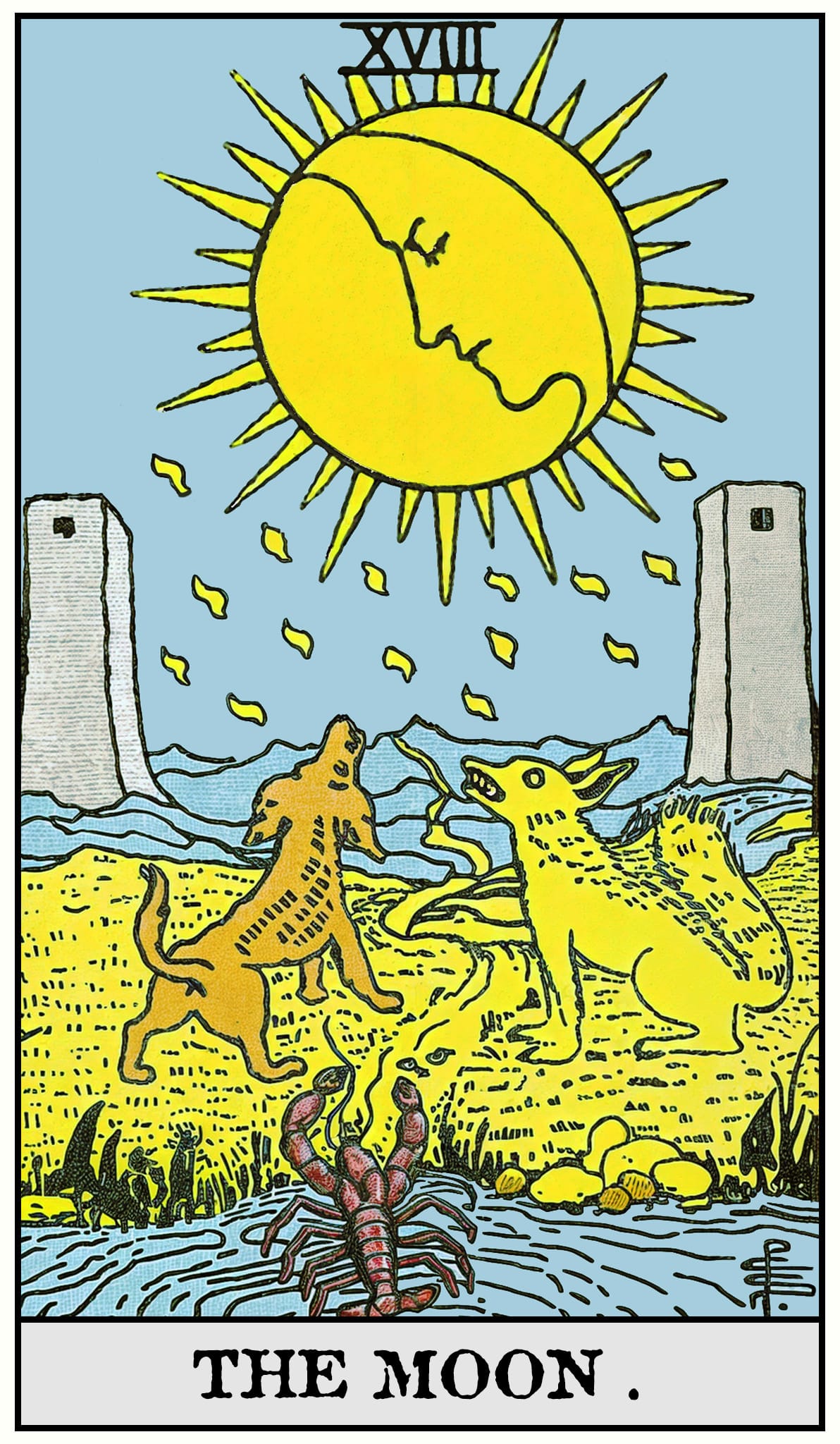
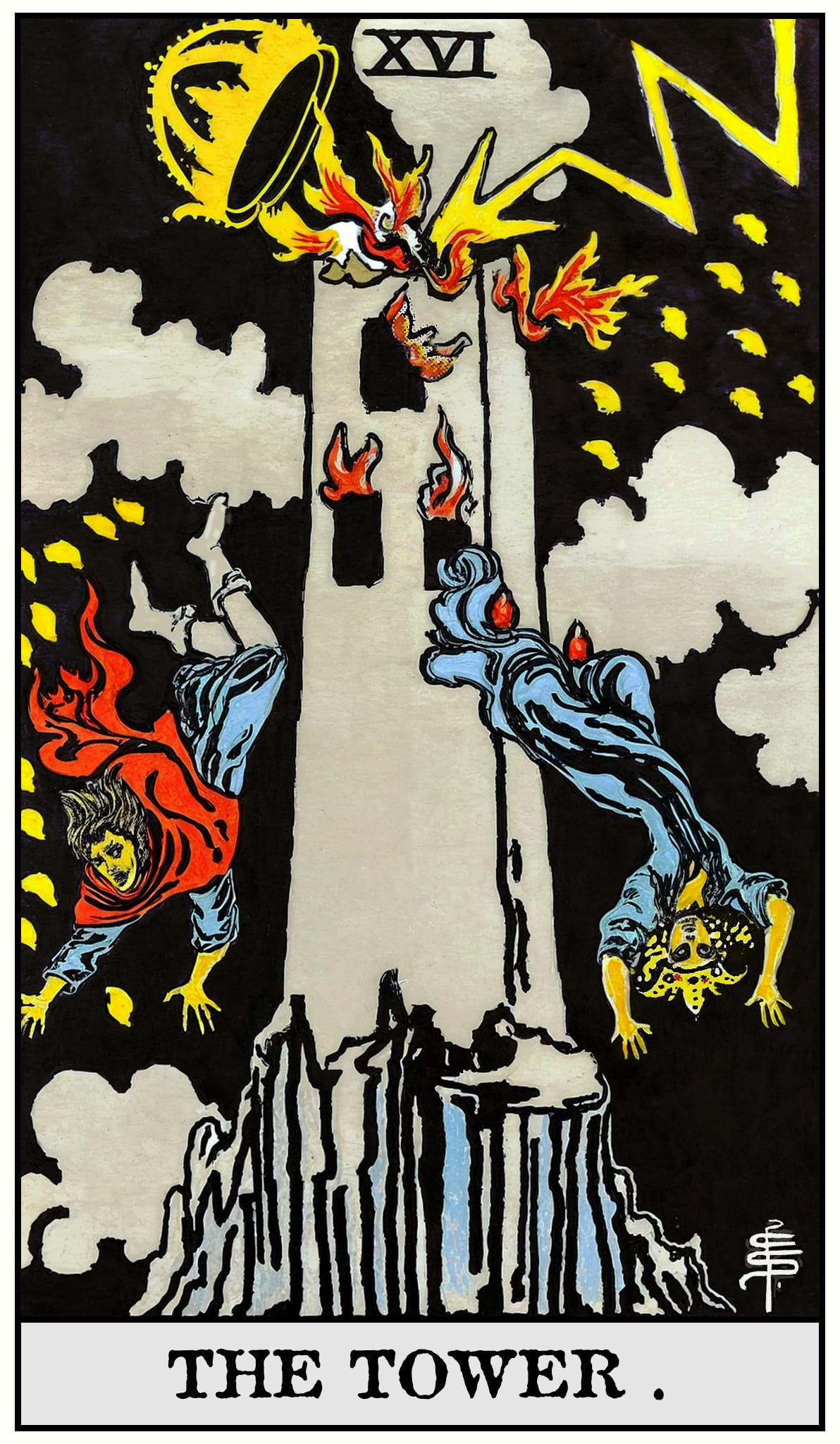
The pillars B and J — Boaz and Jachin, the columns of Solomon's temple — appear first flanking the High Priestess and return across the Major Arcana in various forms. Pollack's precise observation: the letter B is white on the dark pillar, J is black on the light pillar. The visual encoding of duality already contains the Taoist principle — that each extreme carries the other within it. The dark pillar (Boaz) marks passivity, mystery, the receptive; the light (Jachin) marks action, consciousness, the directed. But the reversed colouring says: the distinction is not as fixed as it appears. Duality is structural, not absolute. In the Moon, the same pillars reappear as towers flanking the path: the same threshold from the other side.
The pillars as shadow trap is the assignment of value to one side of the dichotomy — the belief that the goal is to stand permanently on one pillar. Rational or emotional. Active or receptive. The shadow of the duality principle is the person who must choose and cannot hold both.
The pillars integrated is the recognition that they are structural features of consciousness, not competitors. You do not choose between Boaz and Jachin. You stand at the threshold they create — as the High Priestess does — and learn to navigate what both contain.