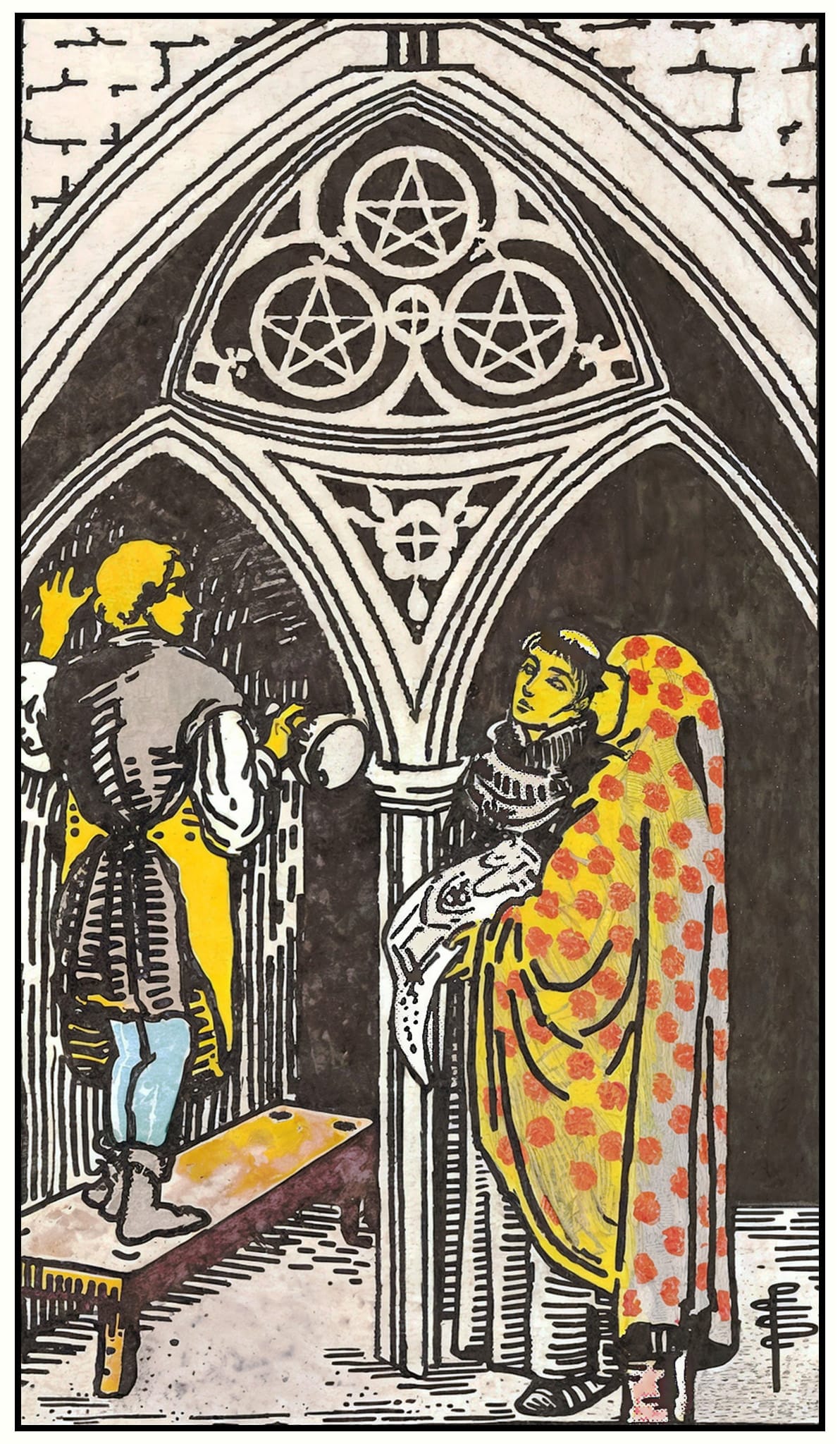
Three of Pentacles
Three figures stand in a cathedral under construction — an architect with plans, a monk consulting, a craftsman working the stone on a platform above. Three pentacles carved into the arch. The work is not finished. The collaboration is deliberate.
The Three of Pentacles names the specific acknowledgement of skill by those who have the knowledge to see it: not the crowd's applause, not public recognition, but the functional recognition of the craftsman by the architect and the monk — the moment when separate expertise combines to build what none of the three could make alone. The shadow is precise: the craft that can only continue if the plans are being reviewed.
The architect is not an admirer. He is a collaborator. The recognition is functional.
The Three of Pentacles is the card of the work recognized by those positioned to see what has been made: the engineer whose solution is incorporated into the design, the junior researcher whose finding advances the study, the teacher whose method is adopted by the school. The acknowledgement is not sentimental — it is the specific confirmation that the skill is real and the project needs it. In shadow, the Three becomes the dependency: the craftsman who can only continue if the plans are being reviewed at every stage, who has confused the external confirmation with the internal one.
Individual skill entering the commons — personal competence becoming social contribution
The Ace arrived alone. The Two was private management. The Three introduces the wider field — the institution, the tradition, the realization that matter's deepest work is rarely solitary. Stone cathedrals are not made by one person, and neither are most things that last. Pollack reads the Three as the intersection of craft and community: the moment when personal competence becomes contribution to something larger. This is the Hierophant's echo at the practical level — not the doctrine, but the guild, the accumulated knowledge that one generation deposits in the material world for the next.
The complete three-layer reading for all 78 cards — including the full psychological and archetypal layers — is in The Pocket Guide →
The recognition that enables can also become the recognition that is required.
Shadow TrapThe craft that has become dependent on external validation for its continuation — the craftsman who has lost the capacity to work at the bench without the architect consulting, who has confused functional recognition with the permission to proceed.
Shadow GiftThe capacity to receive the recognition the Three offers — genuinely, without deflecting it — and to use it as confirmation rather than as fuel, so that the work can continue when the architect is not present and the stone is no less worth carving.
Shadow readings for each card, by suit, are gathered in The Pocket Guide →
We do not read a reversal as an opposite; following Pollack, a turned card is the same energy blocked, withheld, or redirected — not inverted into its negation. A reversed Three of Pentacles often marks the collaboration that has broken down — the project in which the three areas of expertise are no longer talking to each other, or the craftsman working in isolation because the institutional structures that should be incorporating the skill have failed to recognize it.
Why Apocrypha Does Not Read Reversals as Opposites →Sixty-three symbols across the full deck — cross-referenced by card and meaning — are mapped in The Symbol Dictionary →
Whose skills have you been failing to recognize because recognizing them would require you to revise your own understanding of what the project requires — and what would the collaboration look like if you consulted the plans together?
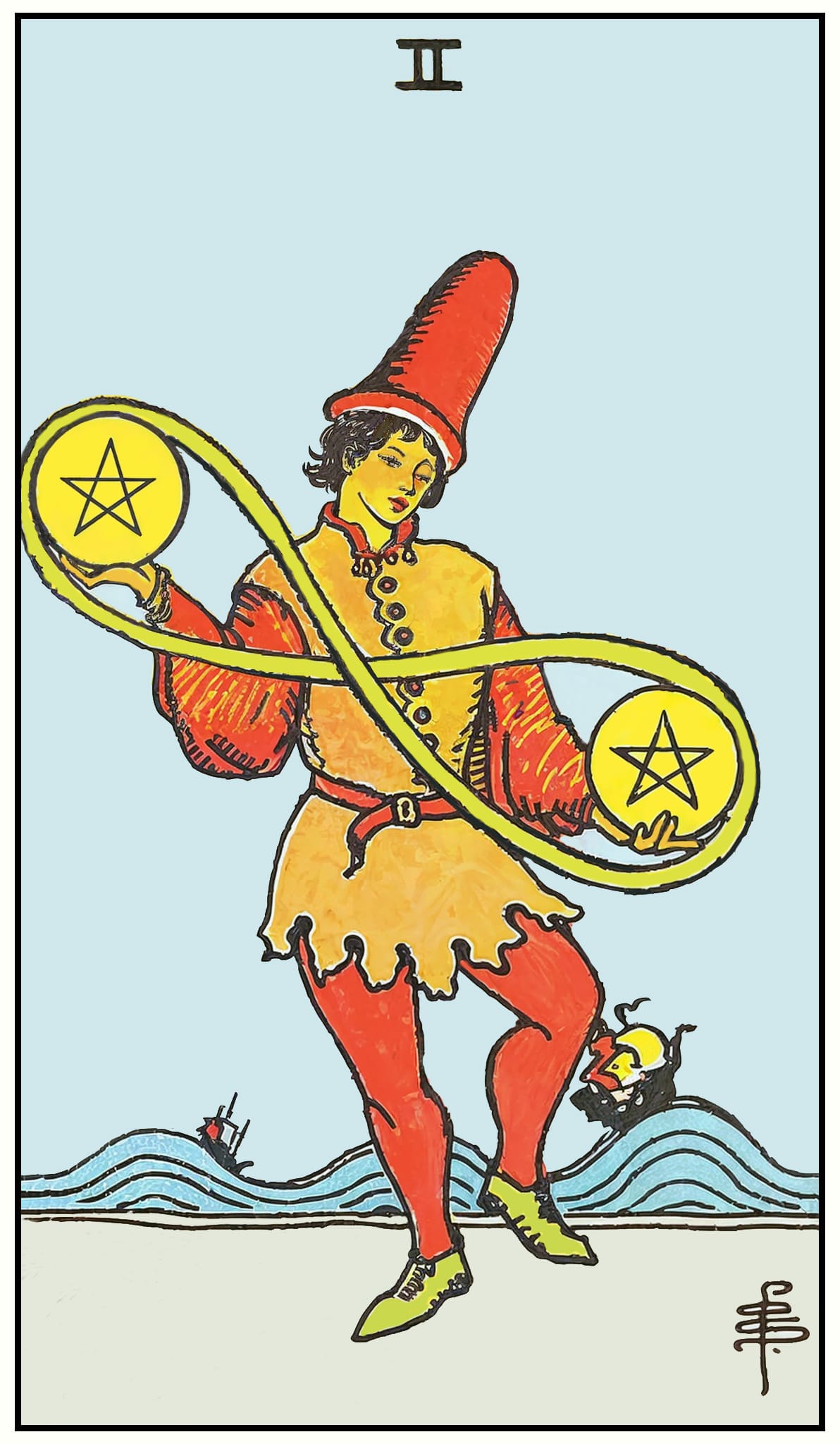
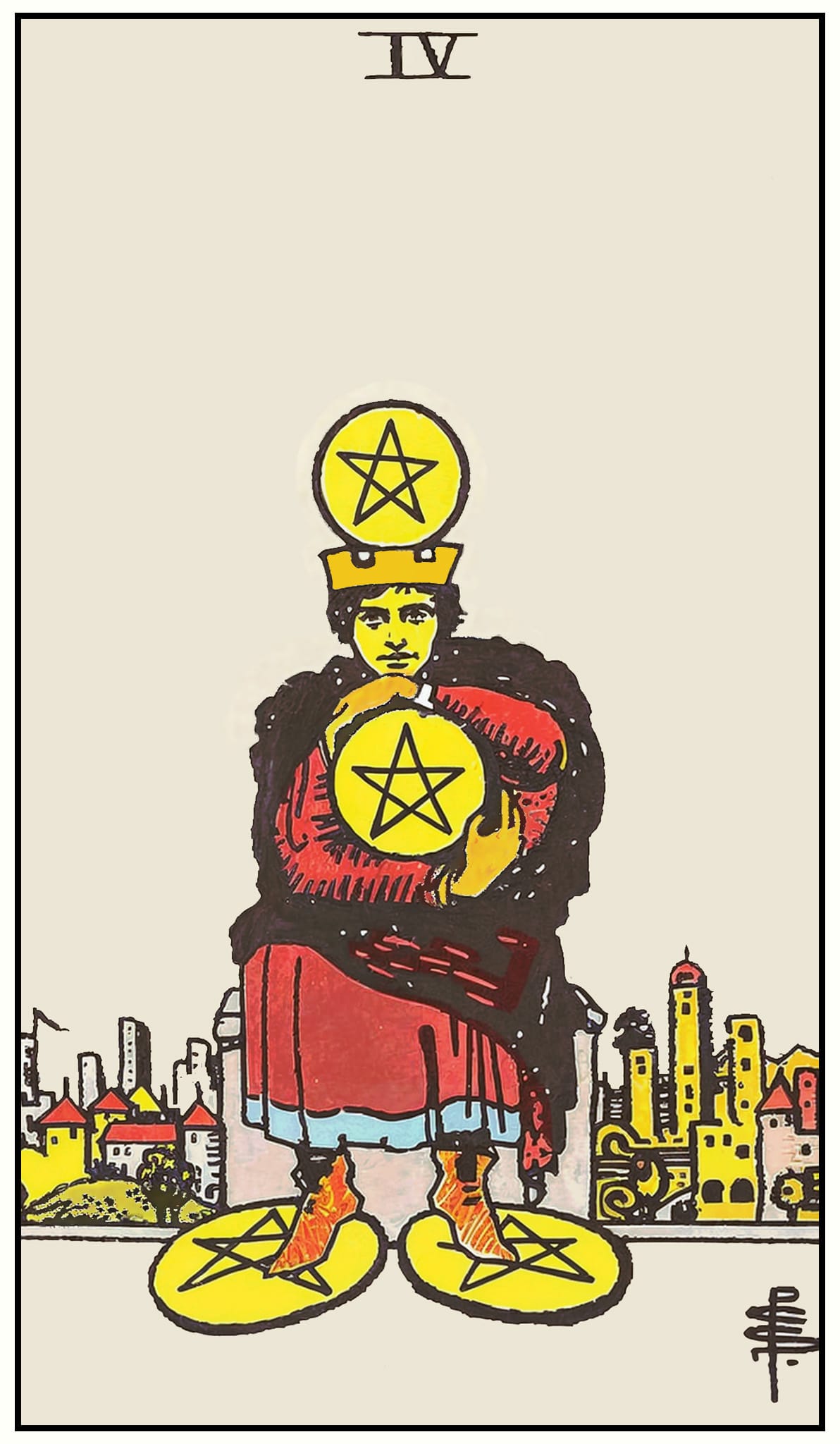
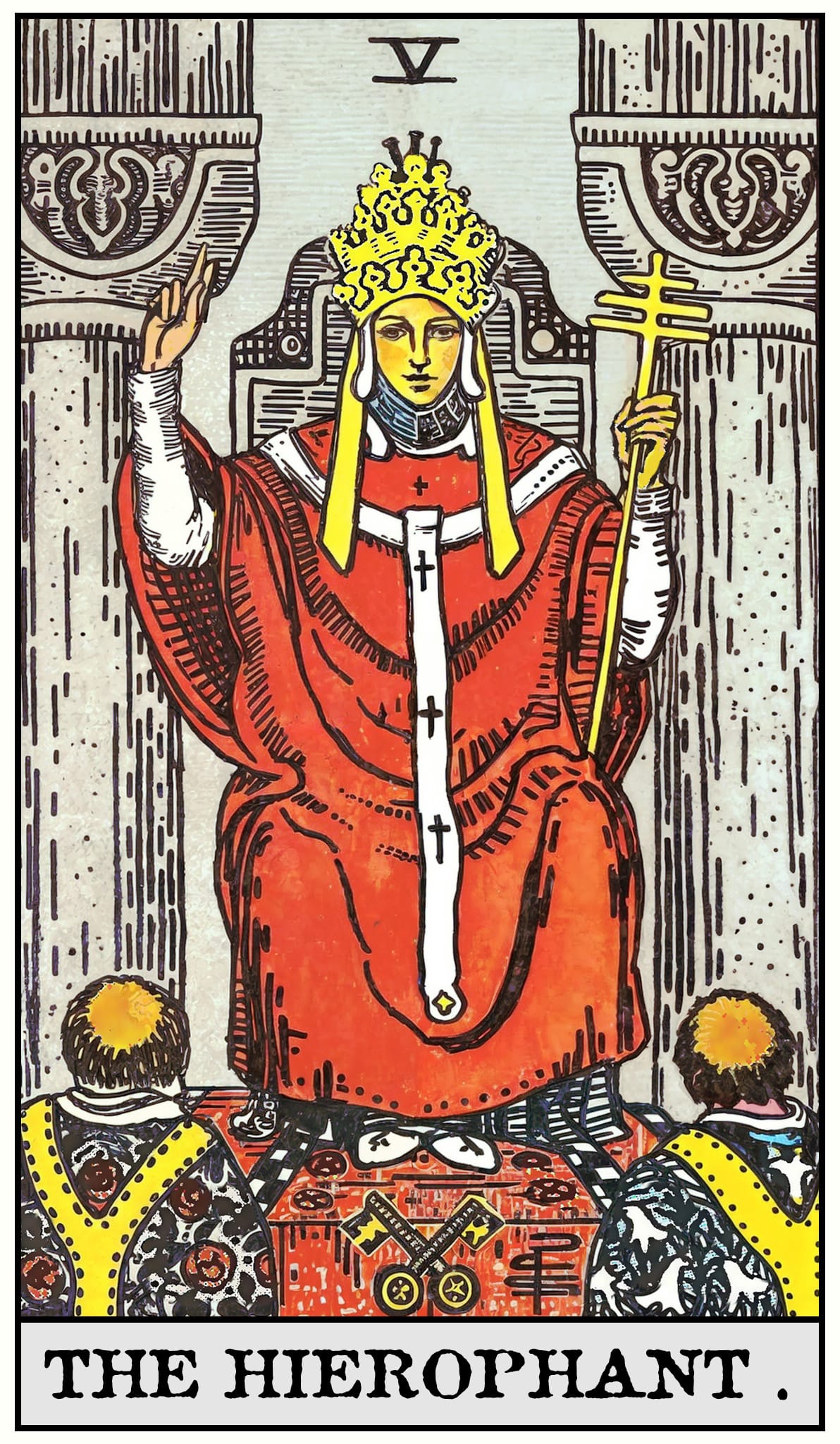
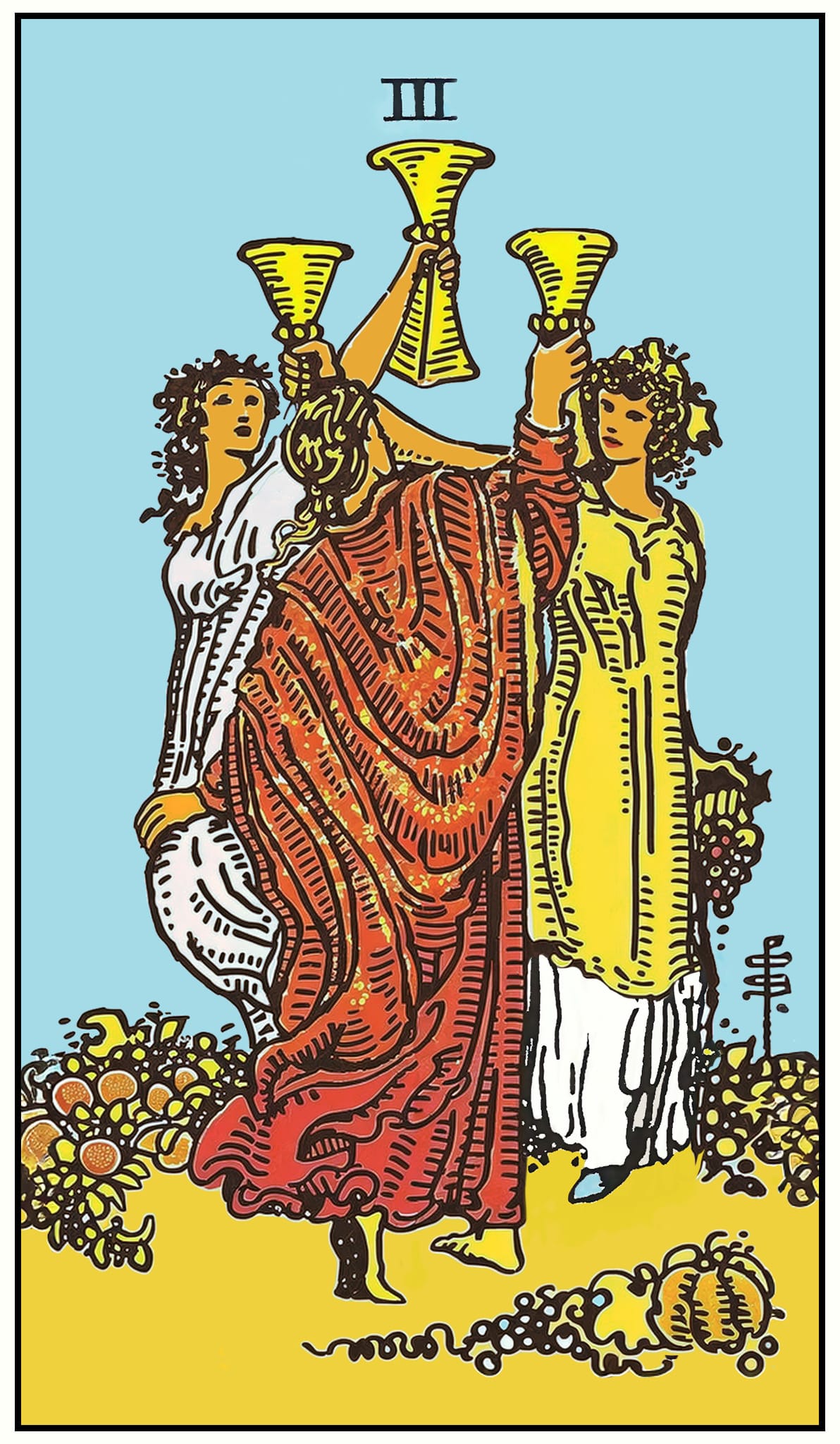
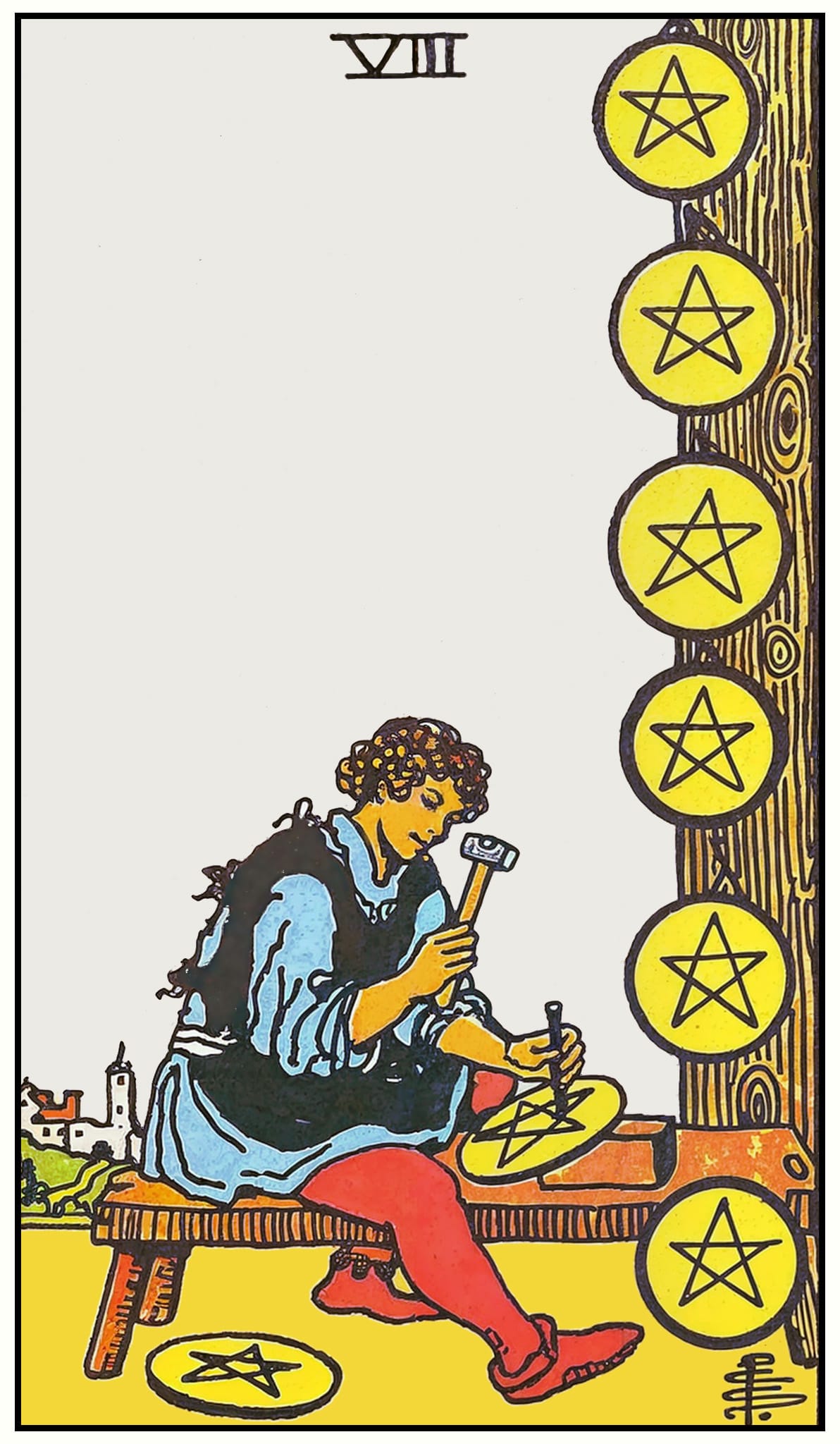
The Three of Pentacles is most often read as teamwork and collaboration advised or present. The more specific reading asks about the quality of the recognition — whether it is the functional acknowledgement the card depicts or something else wearing that name. The distinction between genuine collaboration (separate expertise combining to build what none could make alone) and the appearance of collaboration (one person's vision being executed by others) is the card's entire content, and the person receiving the reading usually knows which one is operating.