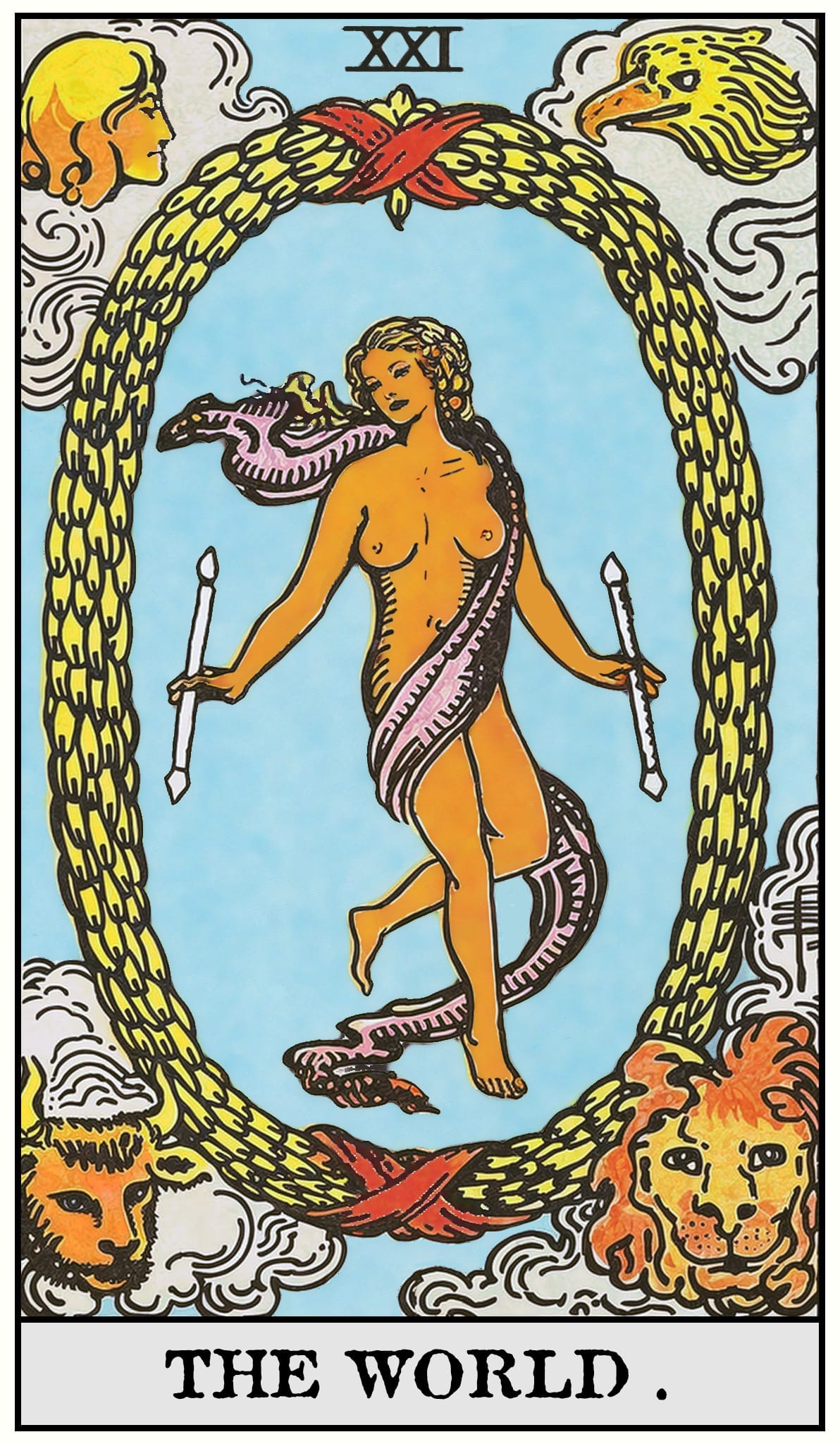
The World
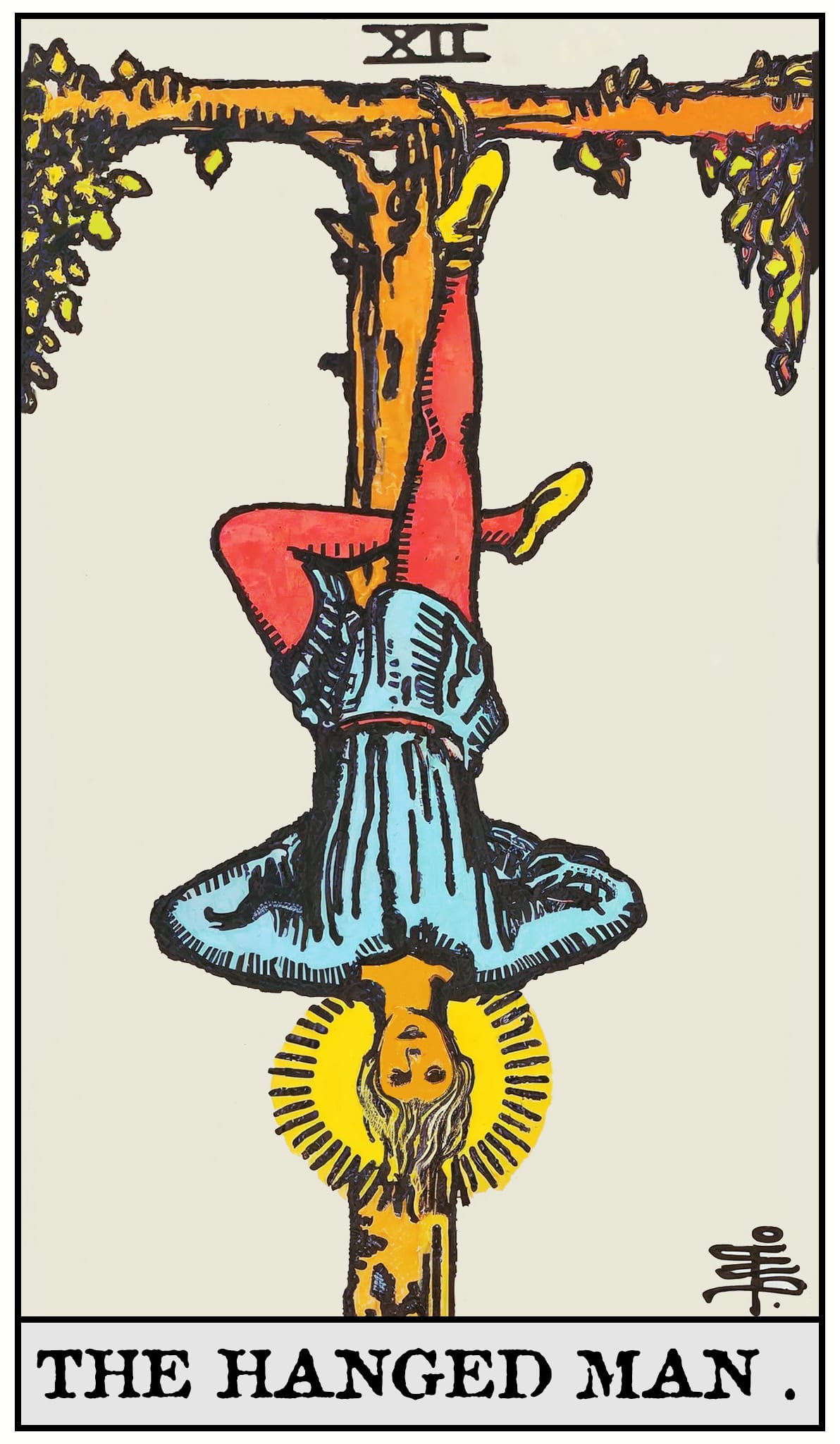
Inside an oval wreath, a figure dances draped in a violet sash, holding two wands — one leg crossed in the same figure-four the Hanged Man made, but here it is motion, not suspension, and the four creatures in the corners watch without intervening.
The World names the completed integration — not arrival in any triumphant sense, but the dance that becomes possible once the seeker has stopped trying to choreograph themselves into wholeness. The seeking can stop not because the prize has been won but because the seeking has completed. There is no prize on the card. There is a figure dancing.
The closure that contains its own opening
The World marks the completion of a phase: the project that needed to finish finishes, the chapter closes, and the seeker is not waiting for the next thing. The space between what completed and what has not yet begun is whole on its own terms. The misreading is the cultural one — success, the milestone, the verified outcome. The card is more exact than that: enough as the recognition that whatever was being sought has been integrated into what was already present. Its shadow is the premature closure — the performed dance declared before the inner sequence has actually completed, recognisable by the effort it requires.
The opposites are no longer opposing — they have become the legs of the same dance
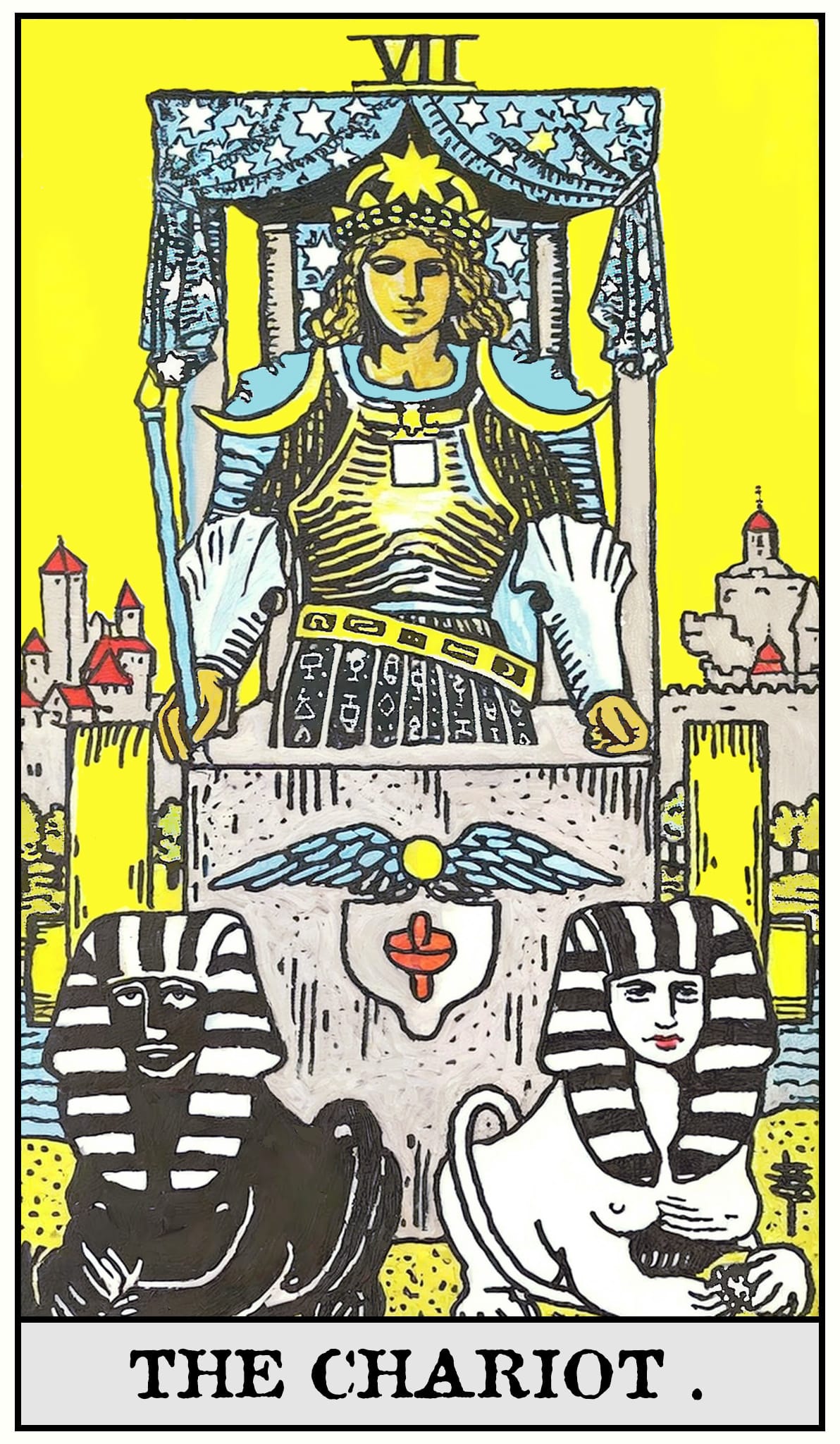
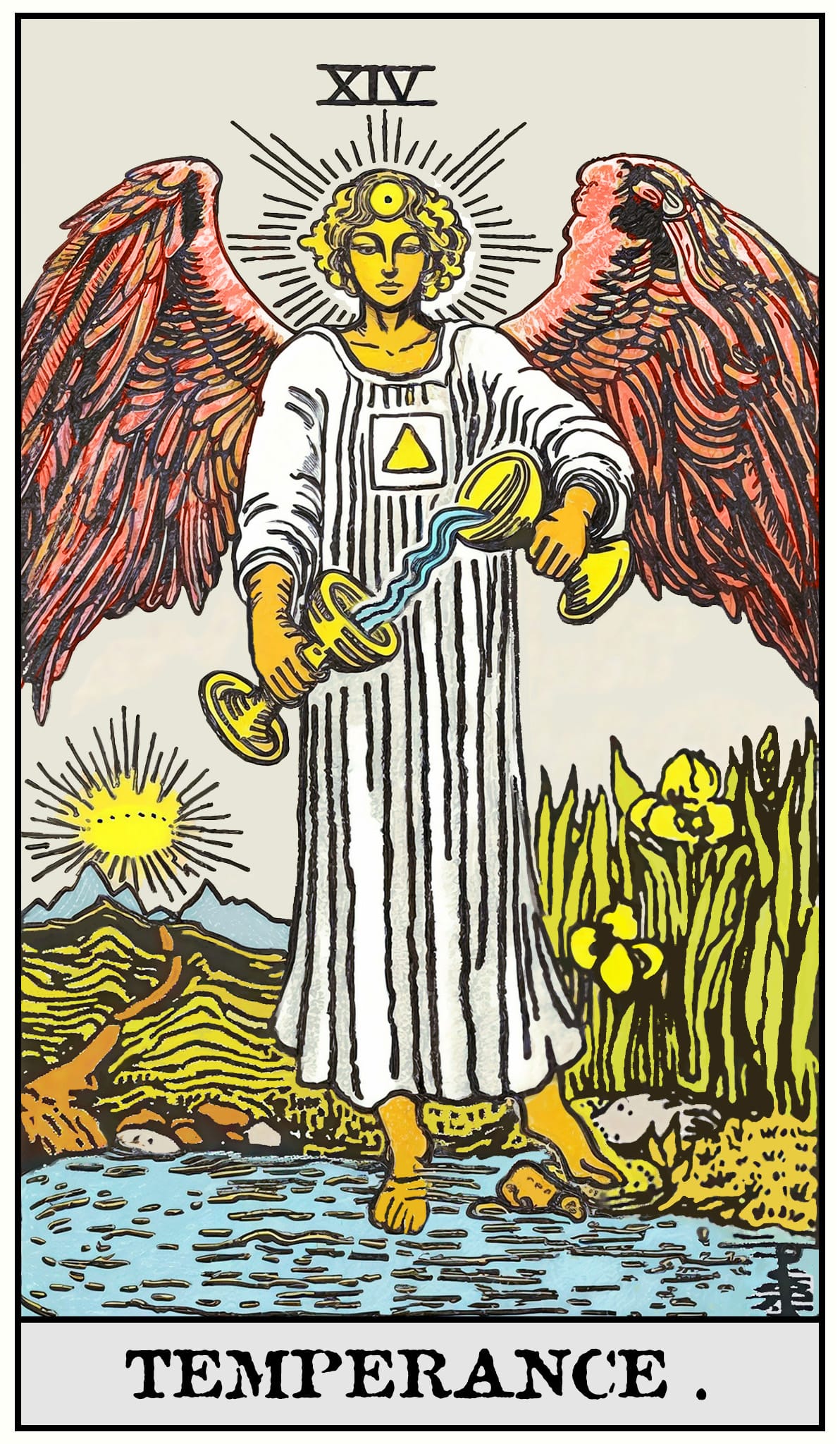
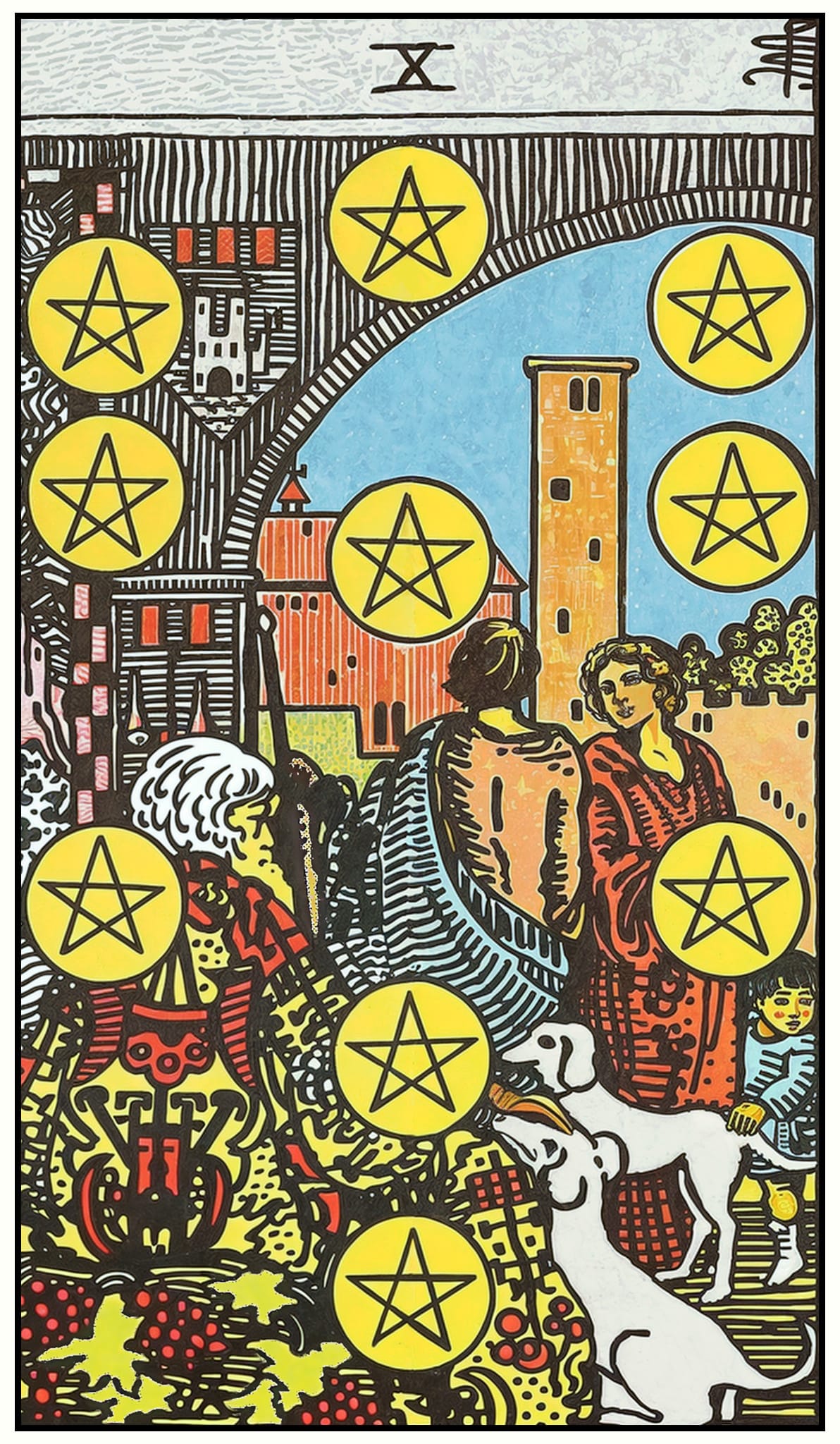
The World stands at the base of the column of integration — Chariot at VII, Temperance at XIV above it. The Chariot integrated by force; Temperance by sustained patience; the World integrates by grace, where neither will nor patience is needed because what was being integrated has become what one is. The four creatures in the corners are the same quaternity that anchored the Wheel at X — but where the Wheel turned and the seeker was subject to it, the World includes the turning without being ruled by it. The second wand the figure holds is the card's quietest detail: the Magician held one; the World holds two. The hand has become large enough to hold what the first wand did not yet know.
The complete three-layer reading for all 78 cards — including the full psychological and archetypal layers — is in The Pocket Guide →
The real dance is effortless. The performed dance requires effort, and the effort is the tell.
Shadow TrapDeclaring the integration complete before it is — arriving at the World's posture by will rather than by grace, and maintaining it by the same effort the Chariot required.
Shadow GiftThe willingness to wait until the dance is actual — to resist the premature closure, to keep working until the integration produces motion as its natural state rather than as its performed aspiration.
The complete shadow reading — trap, gift, and the practice of integration — for all 22 Major Arcana is in The Shadow Archetype Reference →
We do not read a reversal as an opposite; following Pollack, a turned card is the same energy blocked, withheld, or redirected — not inverted into its negation. A reversed World often marks the completion that has not yet been acknowledged — the seeker who has, in practice, finished a significant phase but has not yet permitted themselves to recognise the completion and inhabit the space it opens.
Why Apocrypha Does Not Read Reversals as Opposites →Sixty-three symbols across the full deck — cross-referenced by card and meaning — are mapped in The Symbol Dictionary →
What completion are you refusing to inhabit — still moving past it, still reaching for the next thing, as if stopping to recognise the finished work were the same as stopping entirely? And what would it mean to stay, briefly, in the finished thing, and let it be enough?
The World is the card most often either over-celebrated as the deck's ultimate prize or underread as simple good news. The more demanding engagement holds both its completion and its precision: the integration it describes is specific, has a recognisable quality — effortlessness, the absence of management — and the difference between genuine arrival and performed arrival is exactly the difference the card is asking the reader to attend to. The test is not whether the dance looks right. The test is whether it requires effort to maintain.