Section I

The Four Elements

Fire · Water · Air · Earth

Fire

Element · The Suit of Wands
Appears In

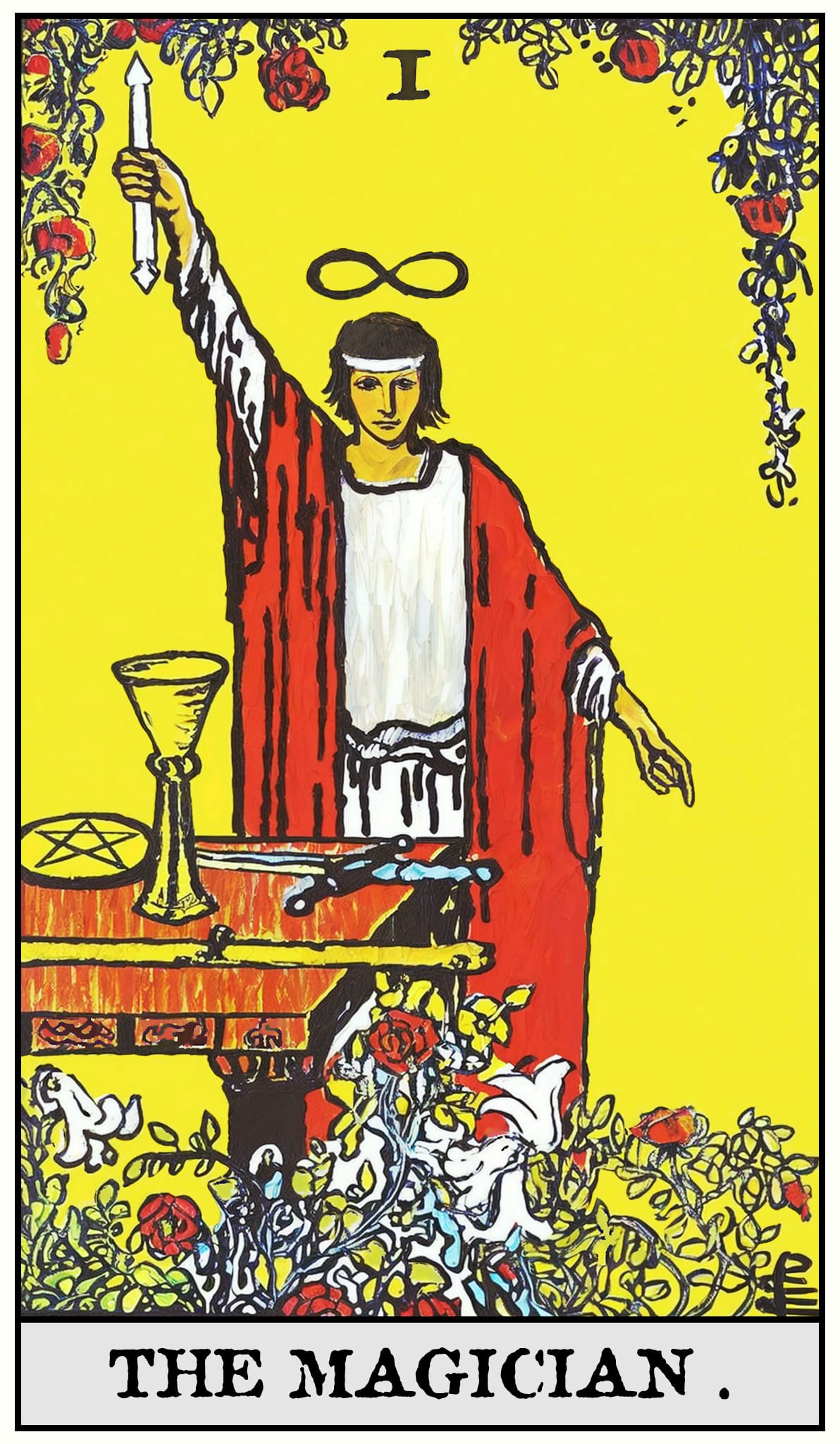
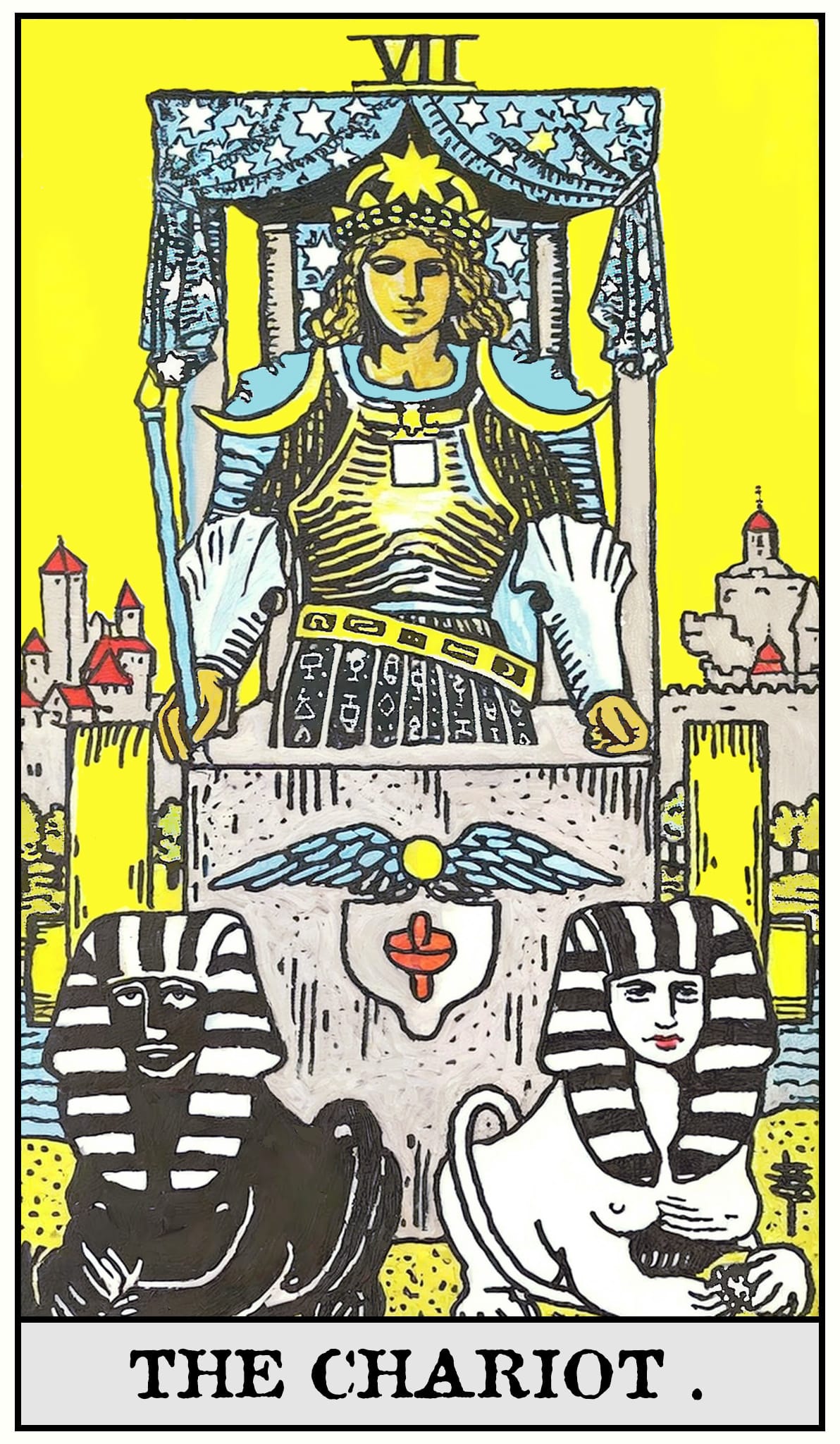
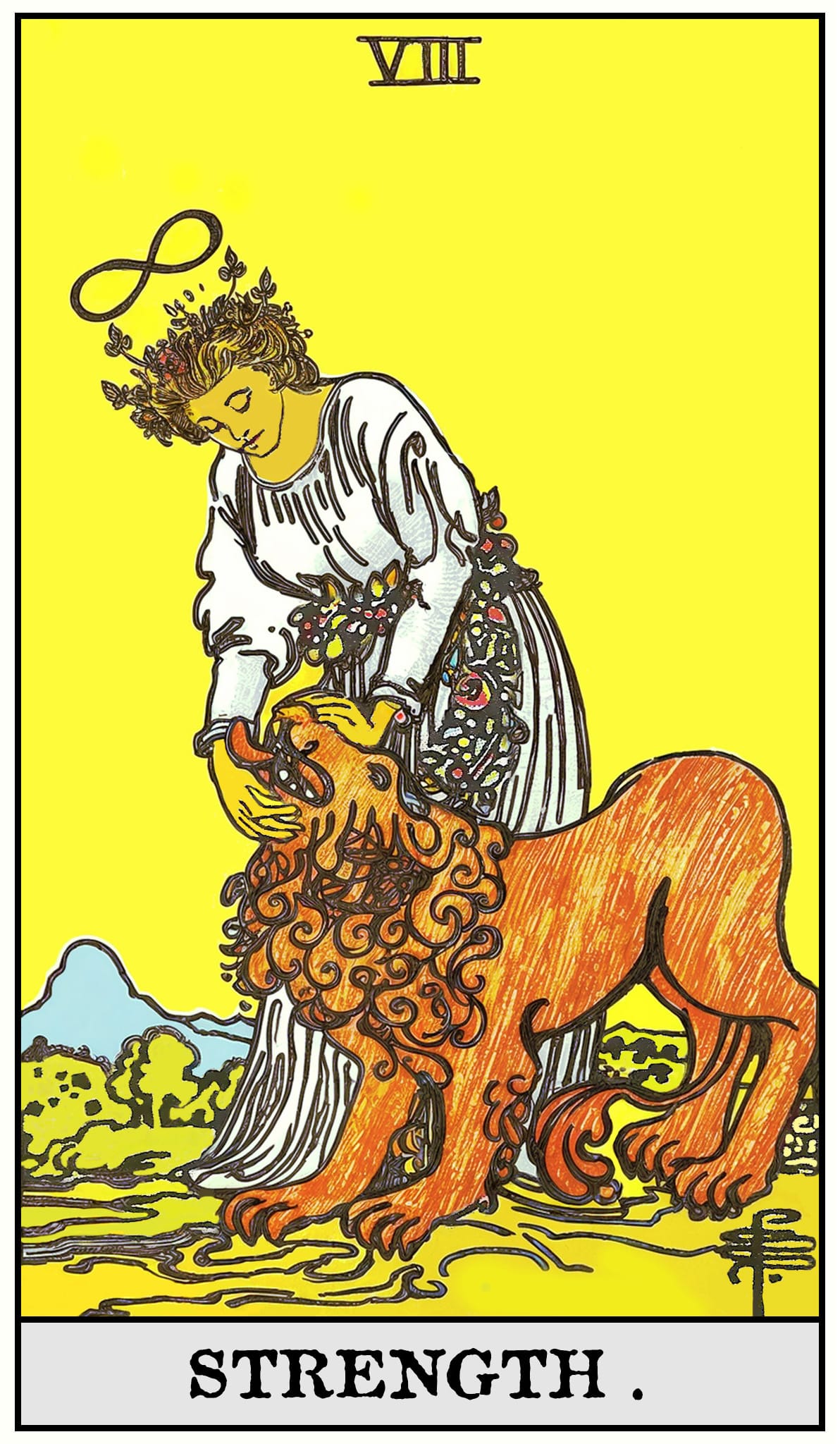
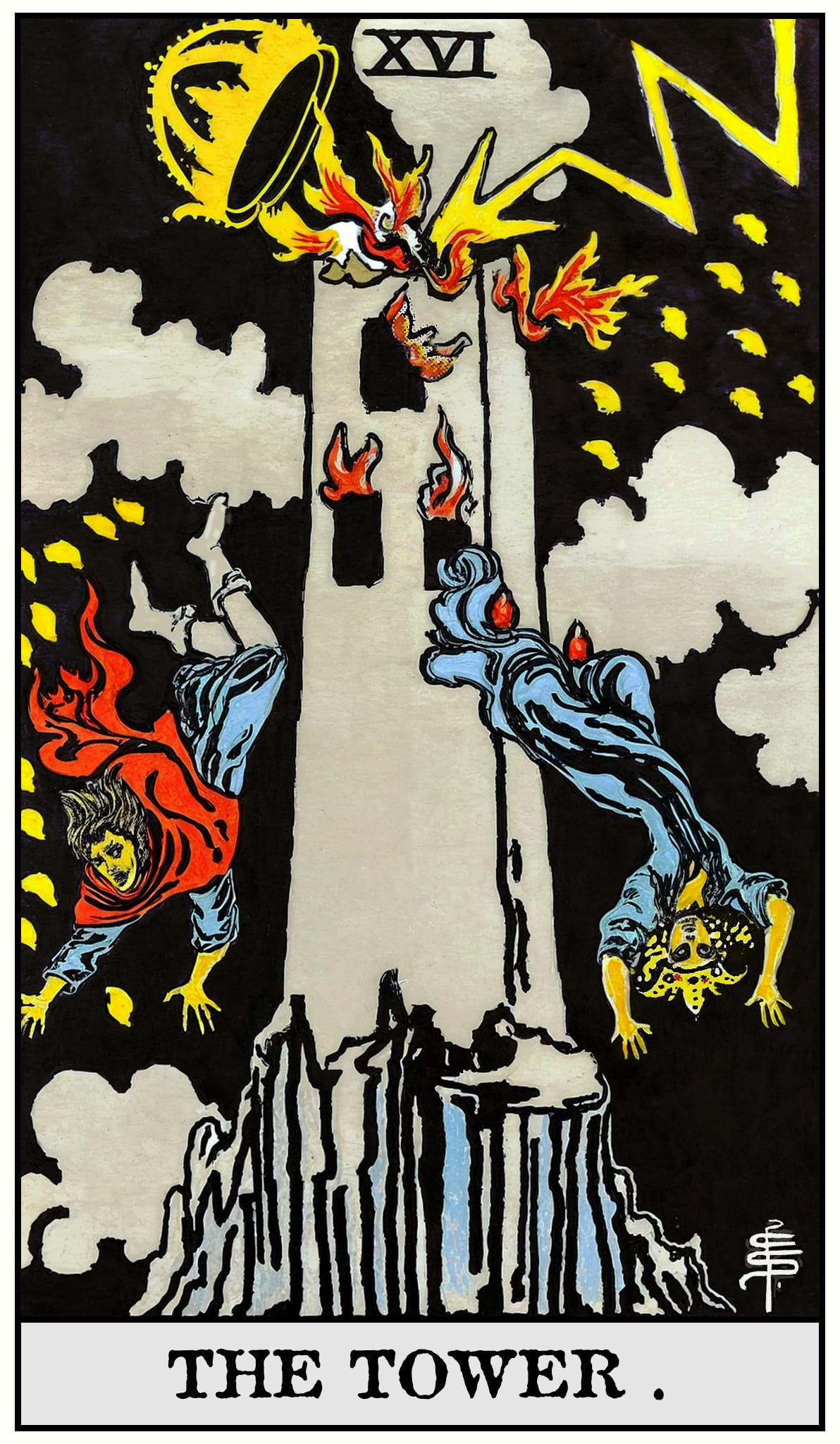
Fire is the element of initiation — the energy that begins things and cannot be accumulated. In the Rider-Waite-Smith tradition, fire belongs to the Wands: the suit of ambition, creative force, conflict, and the will to move. The Ace of Wands shows this energy at its most unmediated: a living branch reaching from cloud, still sprouting leaves, offered before it has touched the ground. Everything is possible and nothing is certain. Fire neither creates nor destroys as a fixed state— it transforms. It requires fuel or it dies; it spreads beyond its boundaries or it kills. The Magician raises a wand to heaven. The Chariot is propelled by the fire principle. Strength contains it without suppressing it. The Tower is what happens when fire meets the structure built to keep it out.

In Shadow

Fire suppressed becomes rage at the container. The shadow of fire is the ambition denied, the creative energy with nowhere to go, the passion for life that culture required to be moderated. When fire operates as shadow, it appears outward: in other people's aliveness, their audacity, their willingness to take up space, as threatening or inappropriate. The fire you find intolerable in others is the fire you have not permitted in yourself.

Integrated

Fire integrated is creative will — not the compulsion to act, but the capacity to begin. The Ace of Wands held by someone who has made contact with their fire is not a weapon. It is a direction chosen. The living branch still sprouts because the will behind it has not been separated from its source.
Water

Element · The Suit of Cups
Appears In

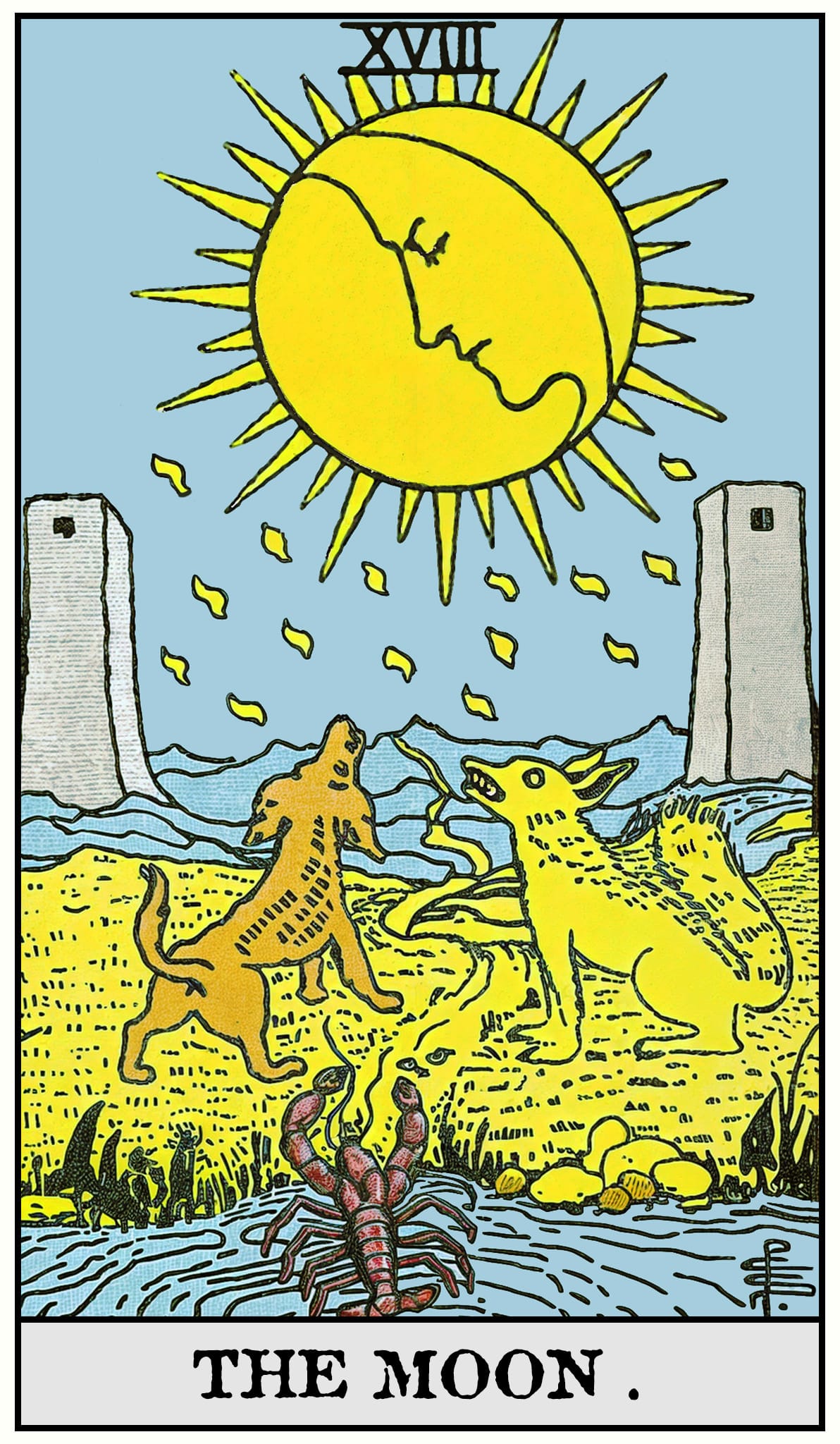
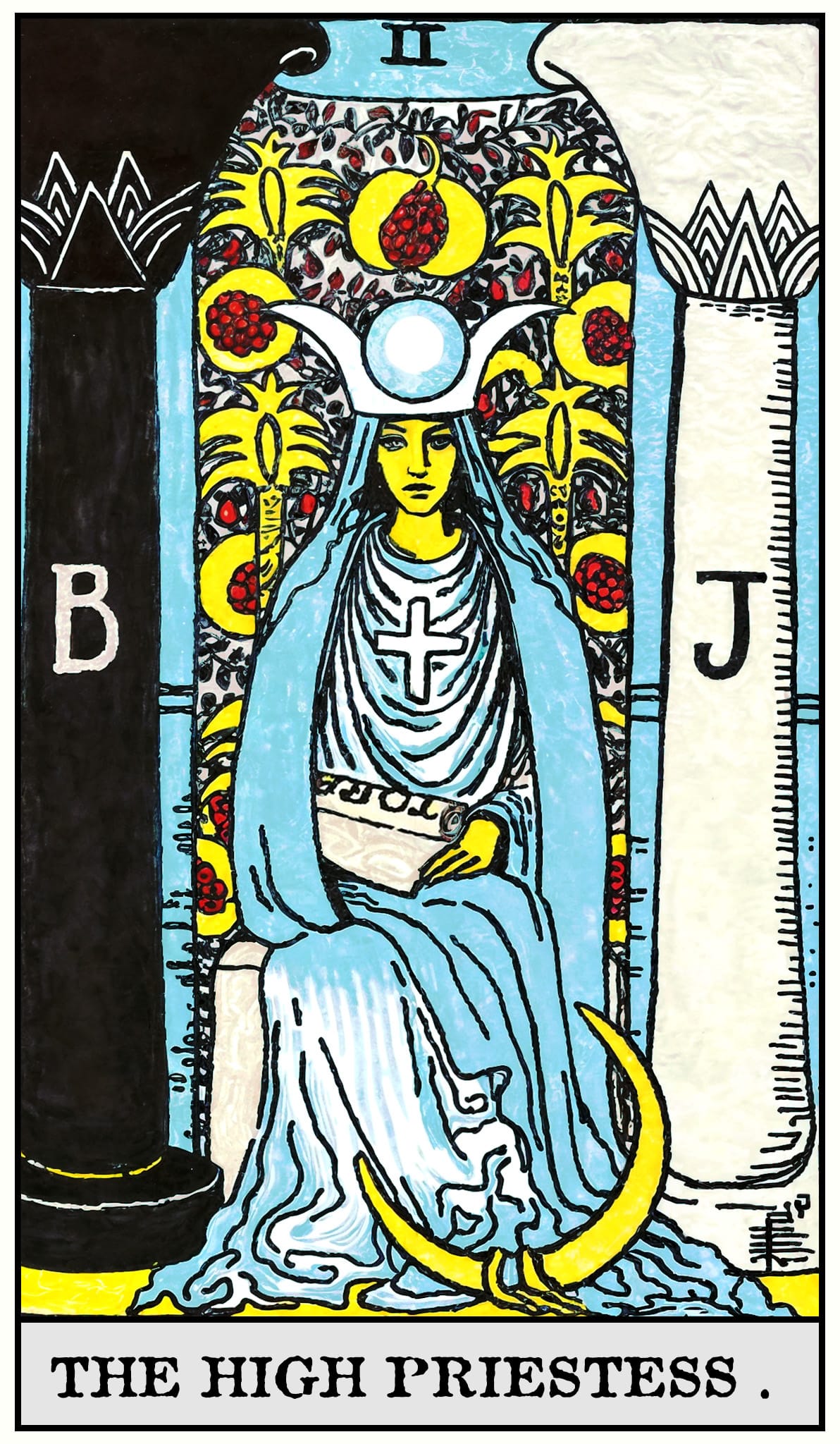
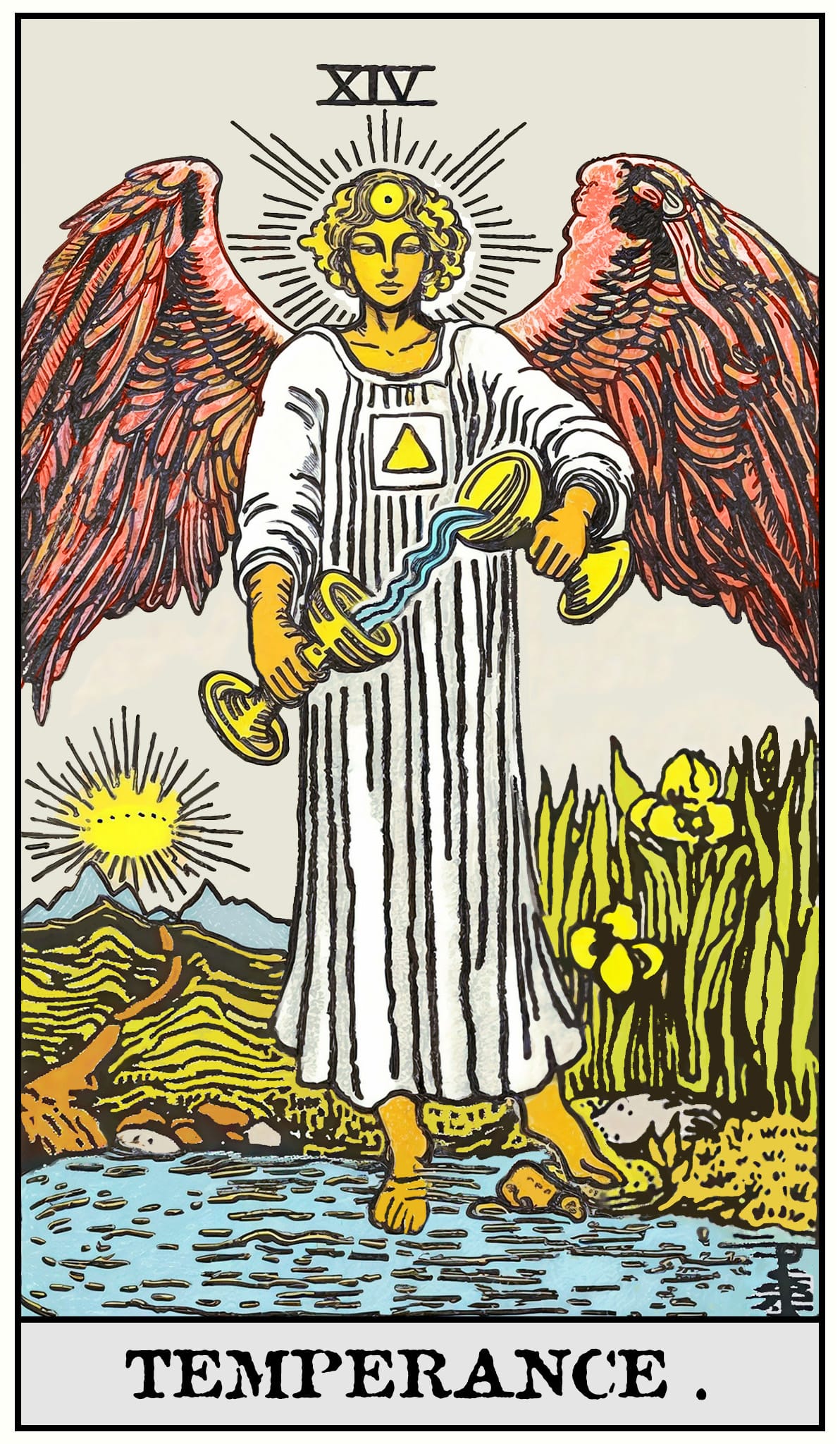
Water in the Rider-Waite-Smith is not emotion as a single quality — it is the entire interior world below the surface of conscious life. The Ace of Cups shows it as a gift: a chalice overflowing, a dove descending, the cup held open. But behind the High Priestess, water is still and inaccessible behind the veil. In the Moon, something rises from the depths unbidden. In Temperance, the angel stands in it with one foot. Pollack notes that what lies behind the High Priestess's veil is not a complex symbol — it is simply water: pool, hills, sky. The whole hidden world is this elemental. Each card's relationship to water is a different relationship to the interior life: the veil before it, the standing in it, the rising from it.

In Shadow

Water as shadow trap is the management of the interior from the shore. The pool is visible — the dream residue in the morning, the body's knowledge before language arrives — but we maintain a managed distance. We describe emotions rather than inhabit them. We process grief rather than sit inside it. The shadow water is the whole interior world held at a studied remove.

Integrated

Emotional depth is not disorder — it is a form of intelligence the sword cannot access. The Cups suit in its fullest expression is the capacity to receive, to be moved, to know without reasoning. The integrated water quality is the willingness to let the unconscious speak and to hear it without editing.

Air

Element · The Suit of Swords
Appears In
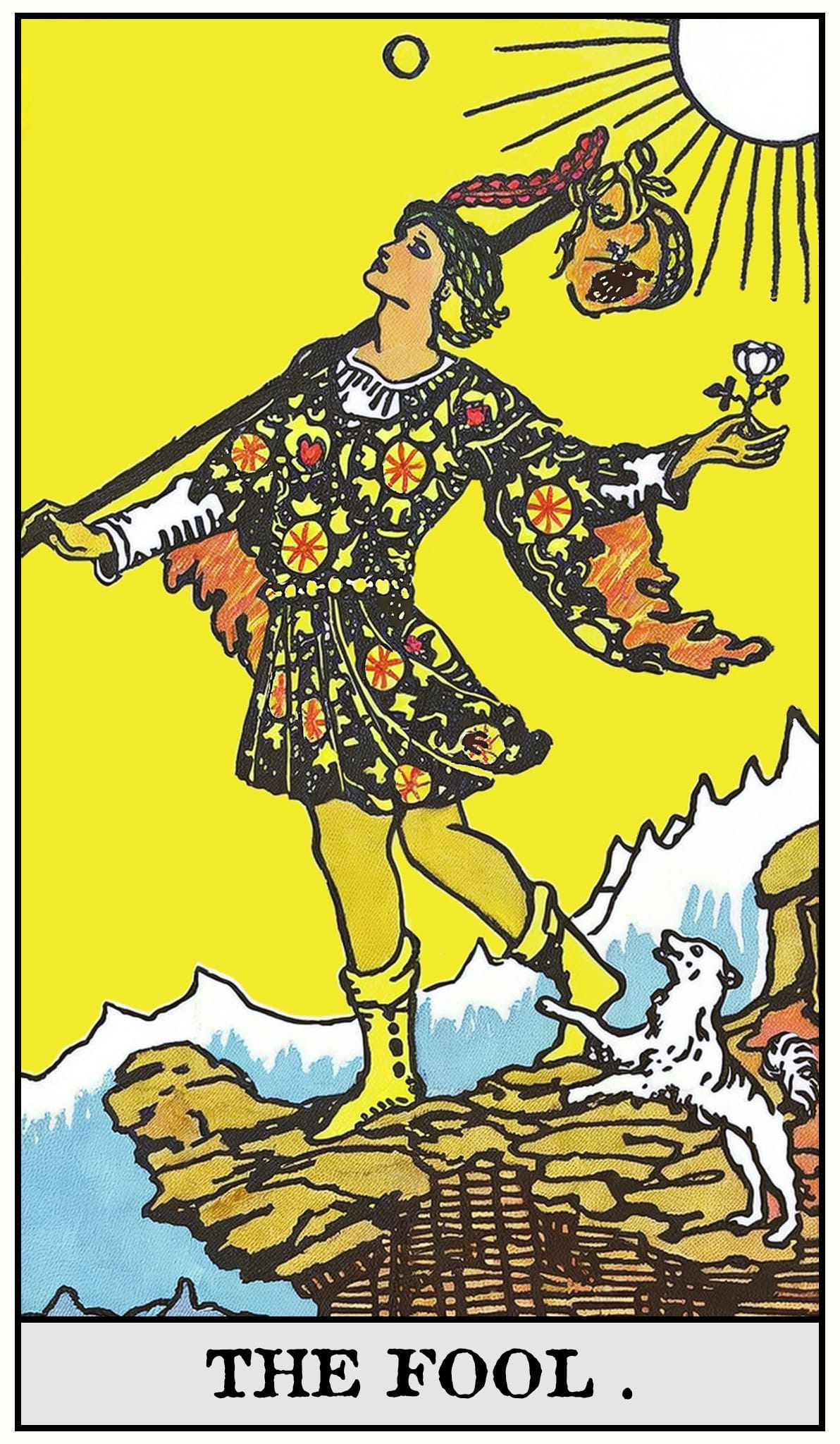
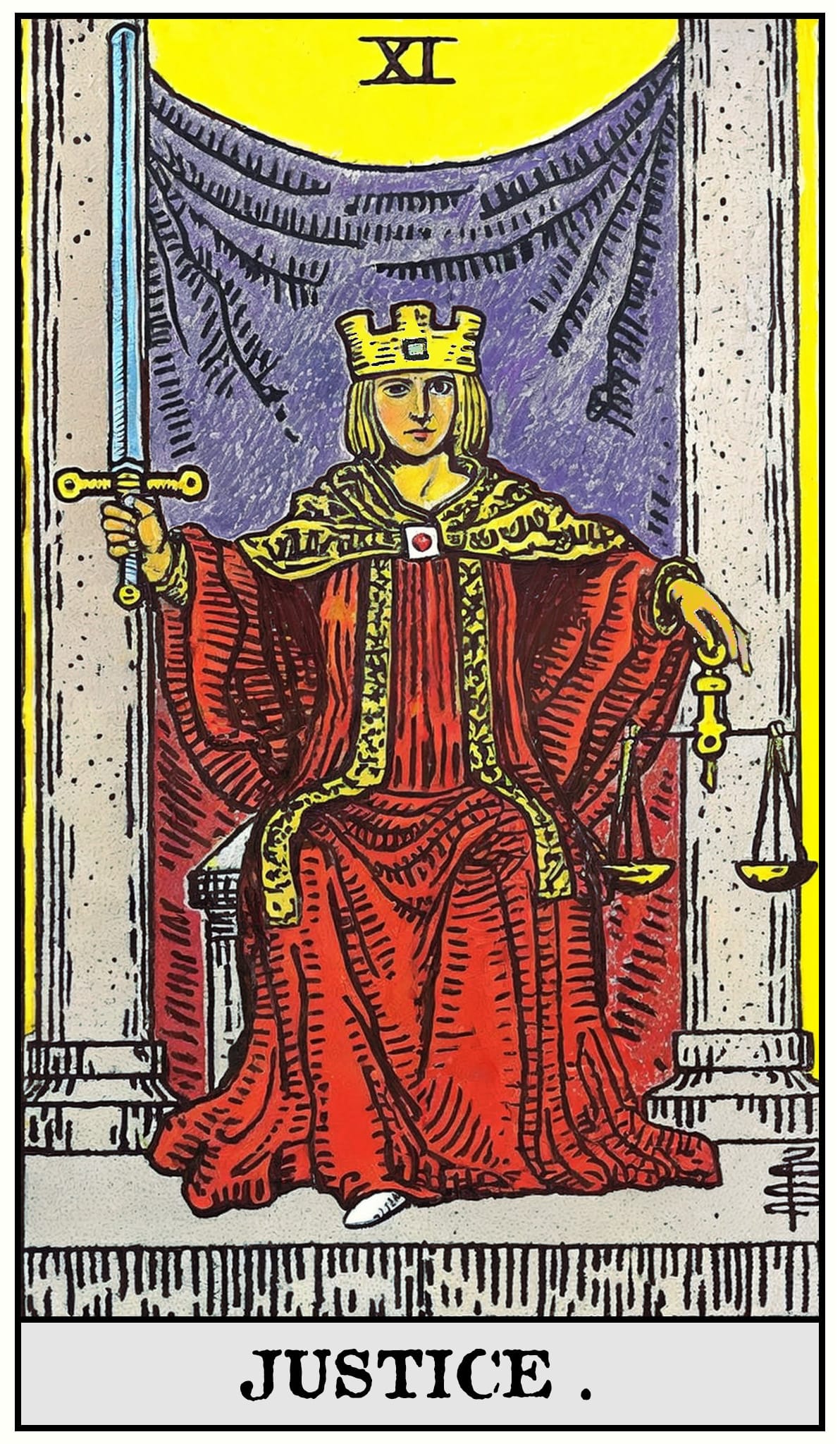
Suit of SwordsThe Fool0The FoolJusticeXIJustice

Air is the element of thought, language, and perception. The sword is forged air— the sharpest instrument available to the mind. The Ace of Swords emerges from cloud, crowned with a wreath: pure intellectual capacity at its most unguarded. But the Swords suit as a whole is a study in how precision, misapplied, becomes cruelty. The swords cut in both directions. Truth severs — it separates the actual from the wished-for — and severance hurts. Pollack reads the Swords as the suit that deals most directly with sorrow, not because air is sorrowful, but because the mind that works without the other three elements cuts the self as readily as it cuts illusion.

In Shadow

Air suppressed becomes the mind that cannot think clearly because it is too full of unspoken feeling. But air also appears as shadow in its opposite form: the intellect that refuses contact with what it cannot categorise. The sword used against the self — in the Ten of Swords, multiple blades placed by the person who could not choose one clear cut — is air in shadow.

Integrated

The integrated air quality is what Justice names: clear sight without sentimentality, accurate perception without cruelty. The mind that has met its shadow can cut through illusion without cutting through the people who hold it. The sword used once, for an accurate purpose, and then put down.

Earth

Element · The Suit of Pentacles
Appears In

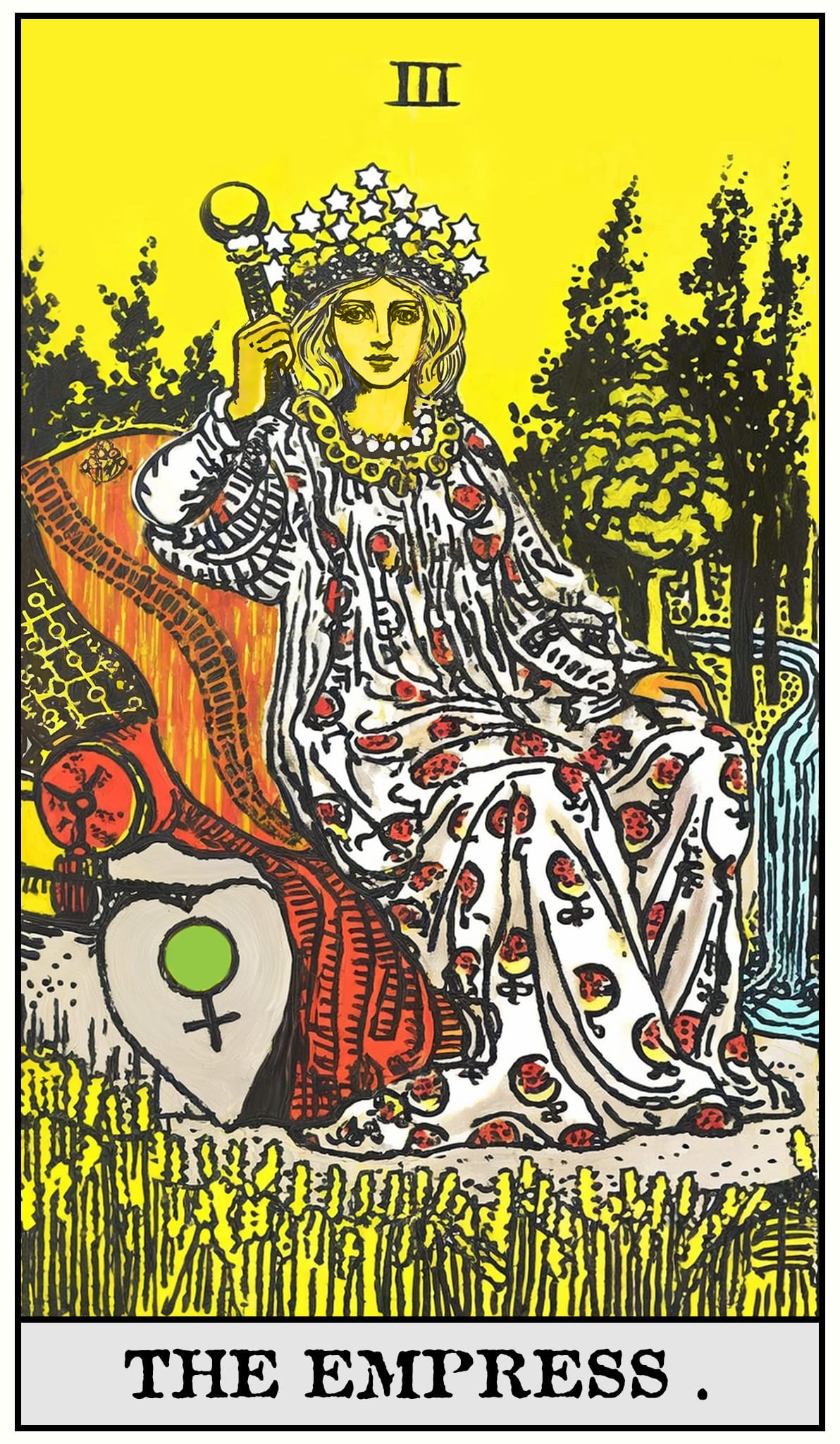
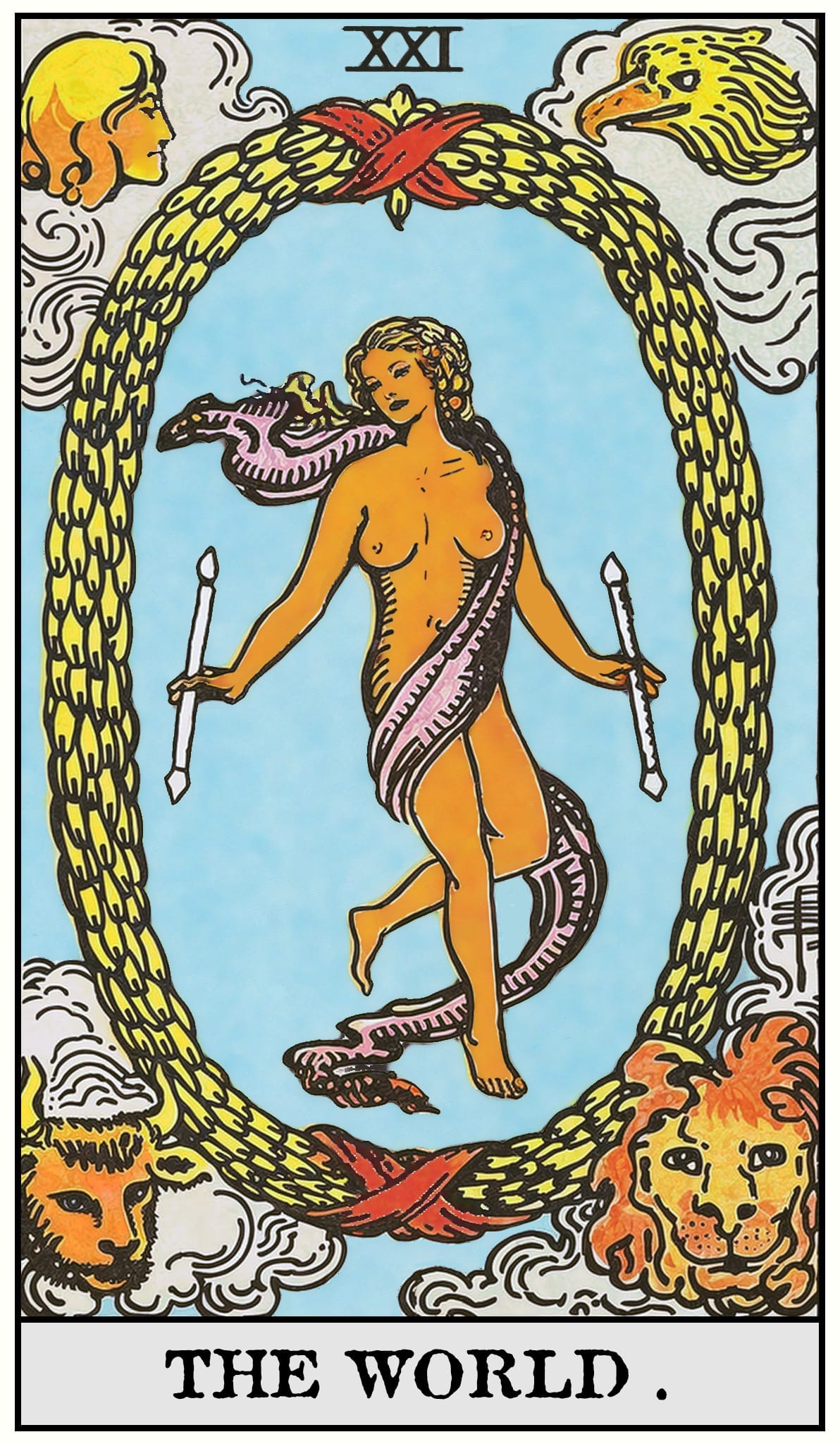
Earth in the tarot is not the material world opposed to spirit — it is the condition of spirit becoming real. The Ace of Pentacles shows a single coin in an outstretched hand, beneath a garden archway opening to mountains: the material world as invitation, as completed potential. The Empress sits on earth surrounded by grain; she knows that abundance comes from remaining in place long enough for things to grow. The World dancer stands before an earth that has become sacred space. Pentacles hold the most neglected insight in esoteric systems: that the body is not the obstacle to transcendence but the medium through which it happens. Energy that does not take material form does not yet exist.

In Shadow

Earth as shadow trap is the belief that the material is spirit's opposite. Those who find practical groundedness unspiritual, who skip the body in pursuit of visions, who regard committed presence as limitation rather than condition — these carry a shadow relationship with earth. The disdain for material reality is often the shadow of the fear of limits: if I commit to this body, this work, this location, I cannot also be infinite.

Integrated

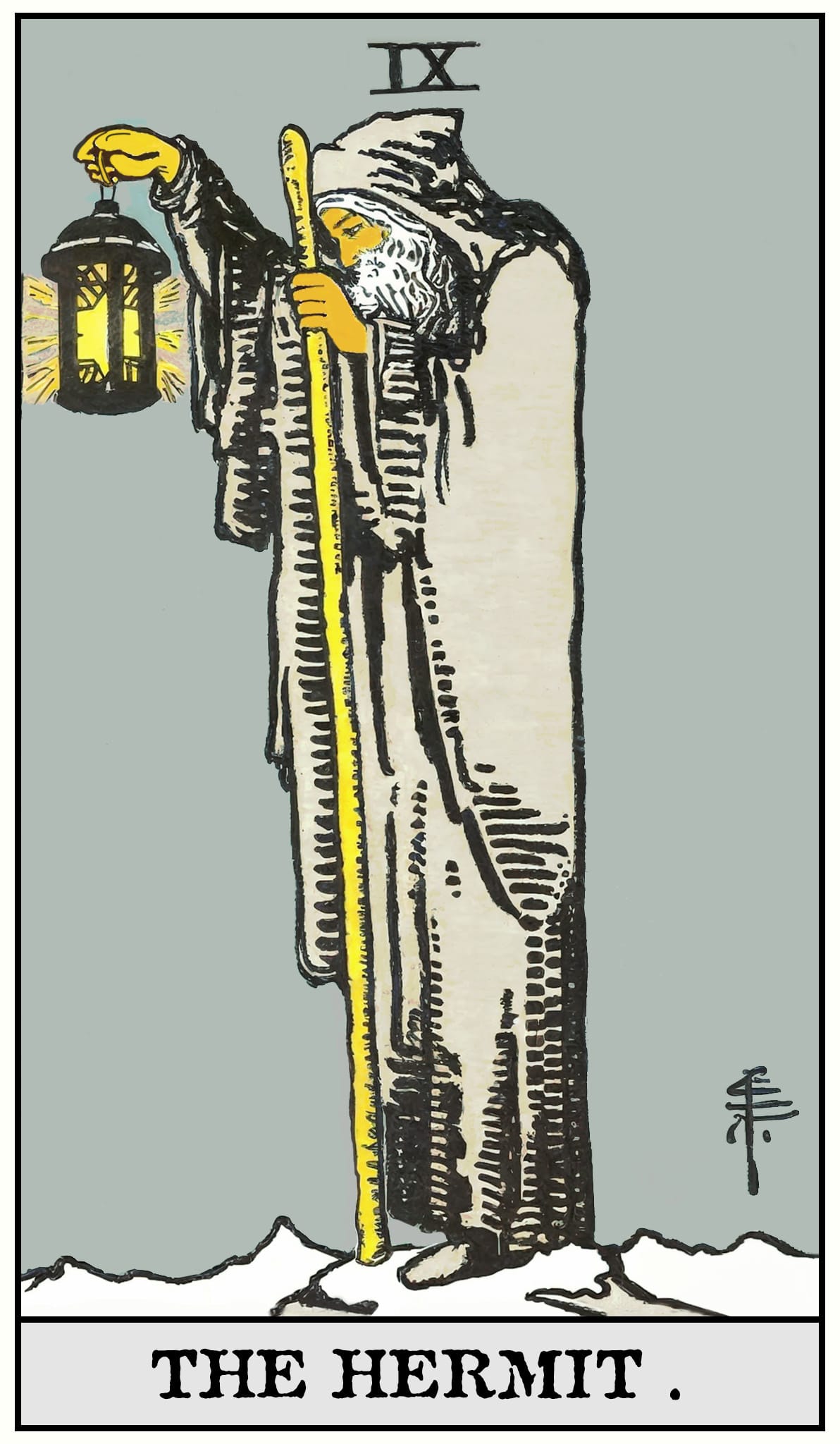
Integrated earth is the capacity to inhabit — not to accumulate, not to control, but to be genuinely present in the physical world. The Hermit's patient groundedness. The Empress's knowledge that abundance requires staying. Earth integrated is the recognition that the concrete world is not the shadow of the spiritual but its home.