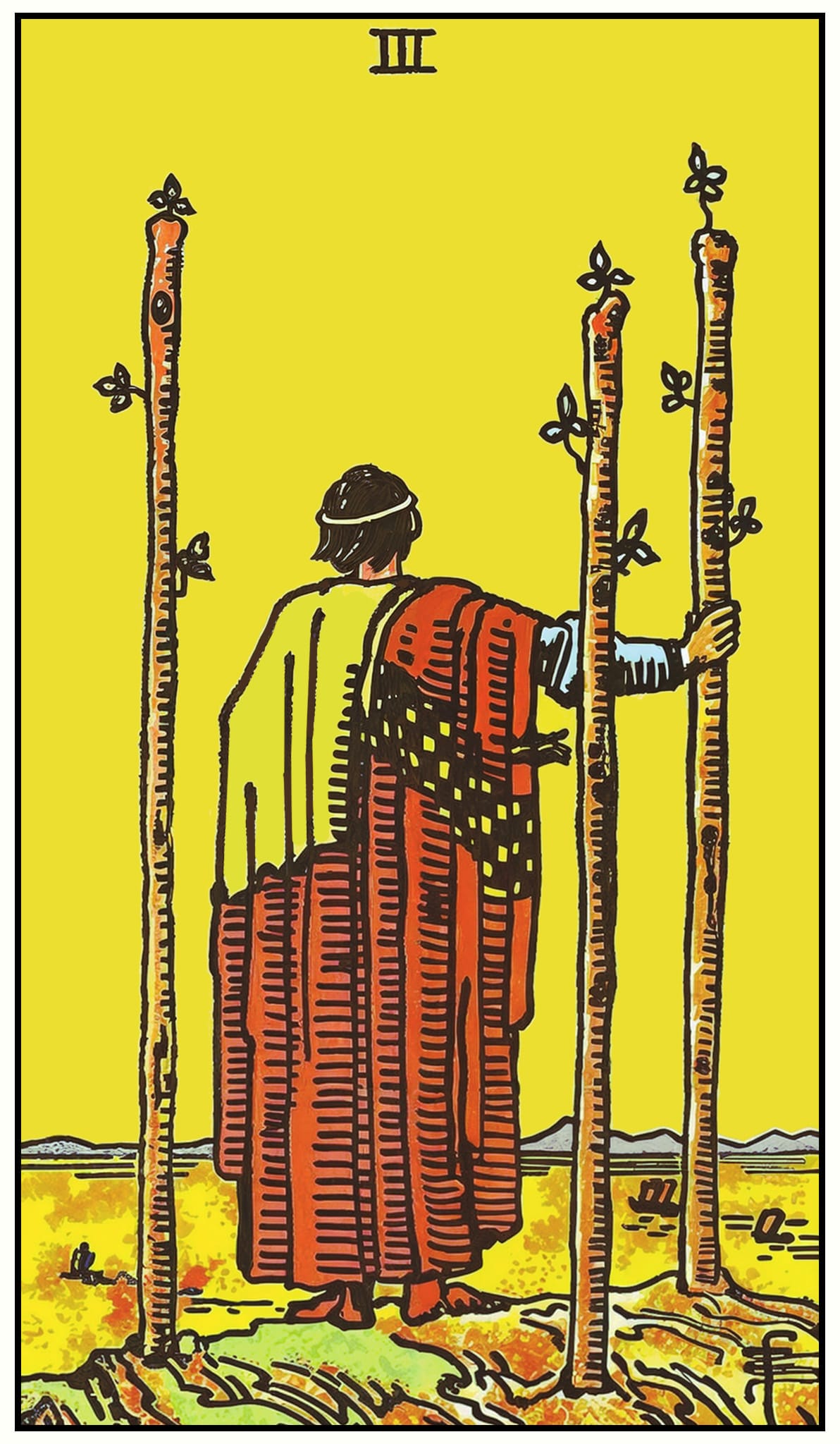
Three of Wands
A figure stands on a cliff with his back to us, three wands planted around him, watching ships move on the water below — the decision made, the investment sent out, the horizon now doing the next work.
The Three of Wands names the consequential decision already enacted: the ships are at sea, the hand has emptied, and the figure's work is now to wait without undermining what he has launched. This is the card of the committed act and the particular discipline it requires — the active refusal to strangle a thing before it has had a chance to return.
The Two deliberated; the Three has acted — and must now let the action be
Where the Two surveyed, the Three has committed: the business launched, the application sent, the move enacted. The wands are planted. The card's work is not striving but waiting well — and this is harder than it sounds. Many people who reach the Three immediately begin to undermine it: second-guessing what has been launched, agitating to intervene, reaching back to recall what cannot be recalled. The shadow is the interference that masquerades as diligence — the creator who over-explains what they have released, the founder who micromanages what they have delegated, the restlessness that mistakes activity for care.
Fire discovers that not all action is doing — and that trust in one's own past gesture is a form of courage
The Three marks the first inward turn in Wands' arc. The suit has assumed that more energy is the answer; the Three asks fire to do something fire resists: to trust what it has already made. The wands are no longer in motion — they are planted, fixed, witnesses to a decision. The figure faces away from the viewer and toward the water, which is where the ships went. The discipline here is the active refusal to strangle what was sent out before it has had a chance to return. Patience, the card insists, is not resignation. It is a form of respect for the work's own timing.
The complete three-layer reading for all 78 cards — including the full psychological and archetypal layers — is in The Pocket Guide →
The intervention that arrives before the return is not diligence — it is the refusal to live with uncertainty.
Shadow TrapThe compulsive recall — the person who launches something and then immediately begins pulling it back, adjusting it mid-flight, unable to let the committed act have its own life.
Shadow GiftThe capacity to stand on the cliff and let the ships be at sea — to distinguish between the vigilance that serves the work and the anxiety that only serves the self's need to feel in control.
Shadow readings for each card, by suit, are gathered in The Pocket Guide →
We do not read a reversal as an opposite; following Pollack, a turned card is the same energy blocked, withheld, or redirected — not inverted into its negation. A reversed Three of Wands often marks the delay at the threshold of commitment — the decision that has been framed as made but whose ships have still not actually been sent out, the act kept pending by a reluctance the seeker may not be naming clearly.
Why Apocrypha Does Not Read Reversals as Opposites →Sixty-three symbols across the full deck — cross-referenced by card and meaning — are mapped in The Symbol Dictionary →
What have you launched that you are now interfering with — and what would it mean to let it be at sea, in the interval between your act and its return, without reaching back to manage what you have already committed?
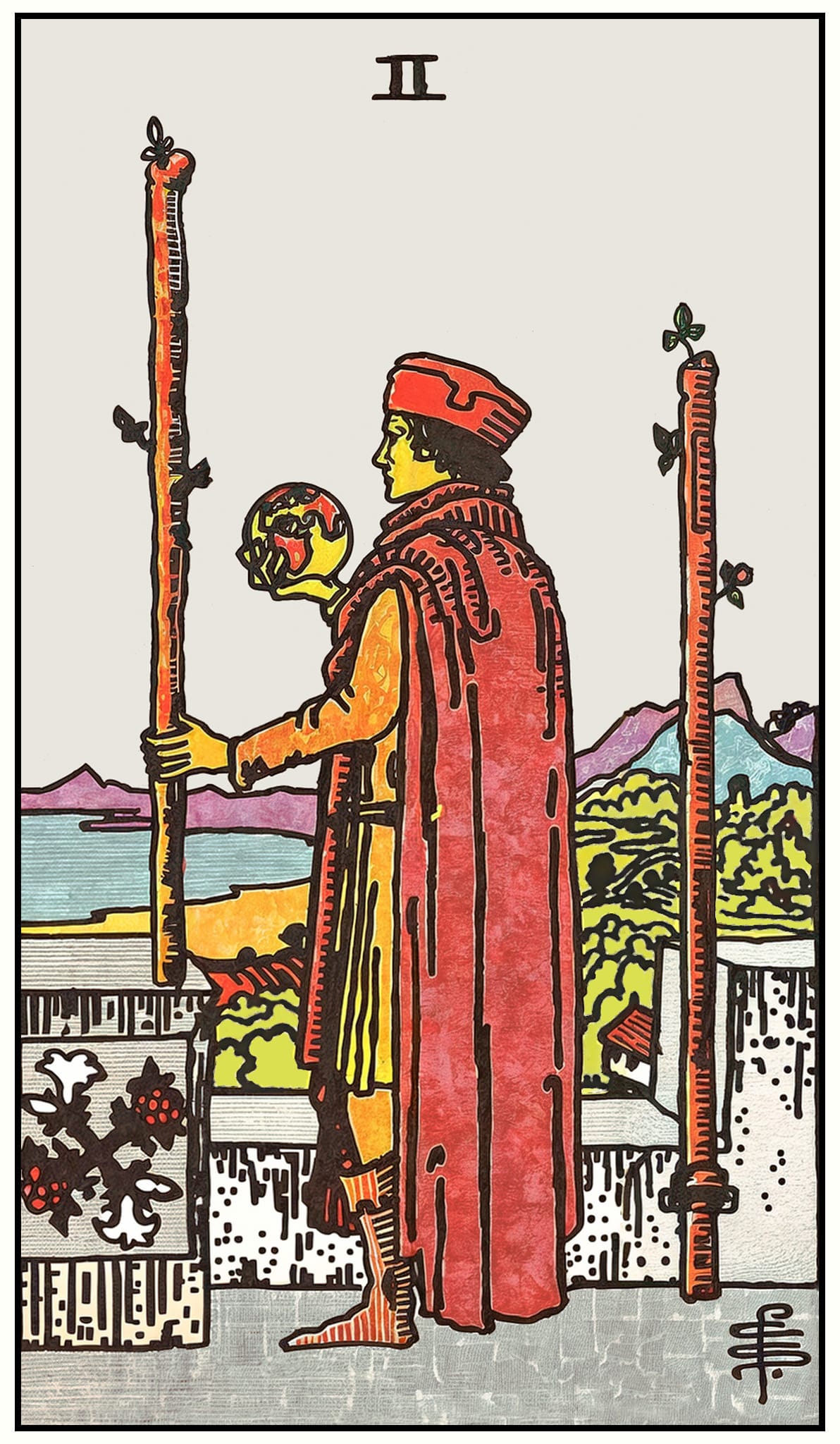
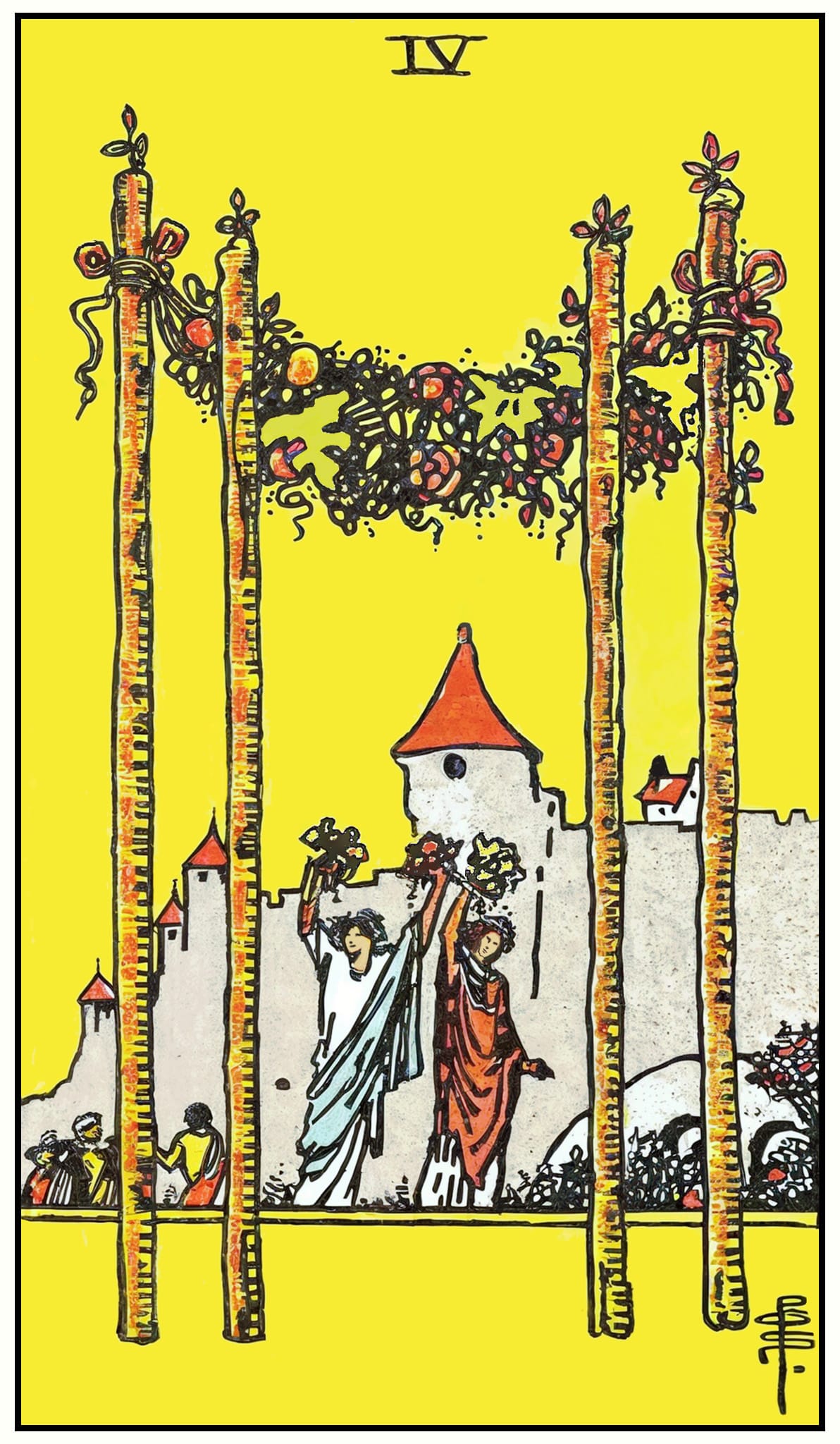
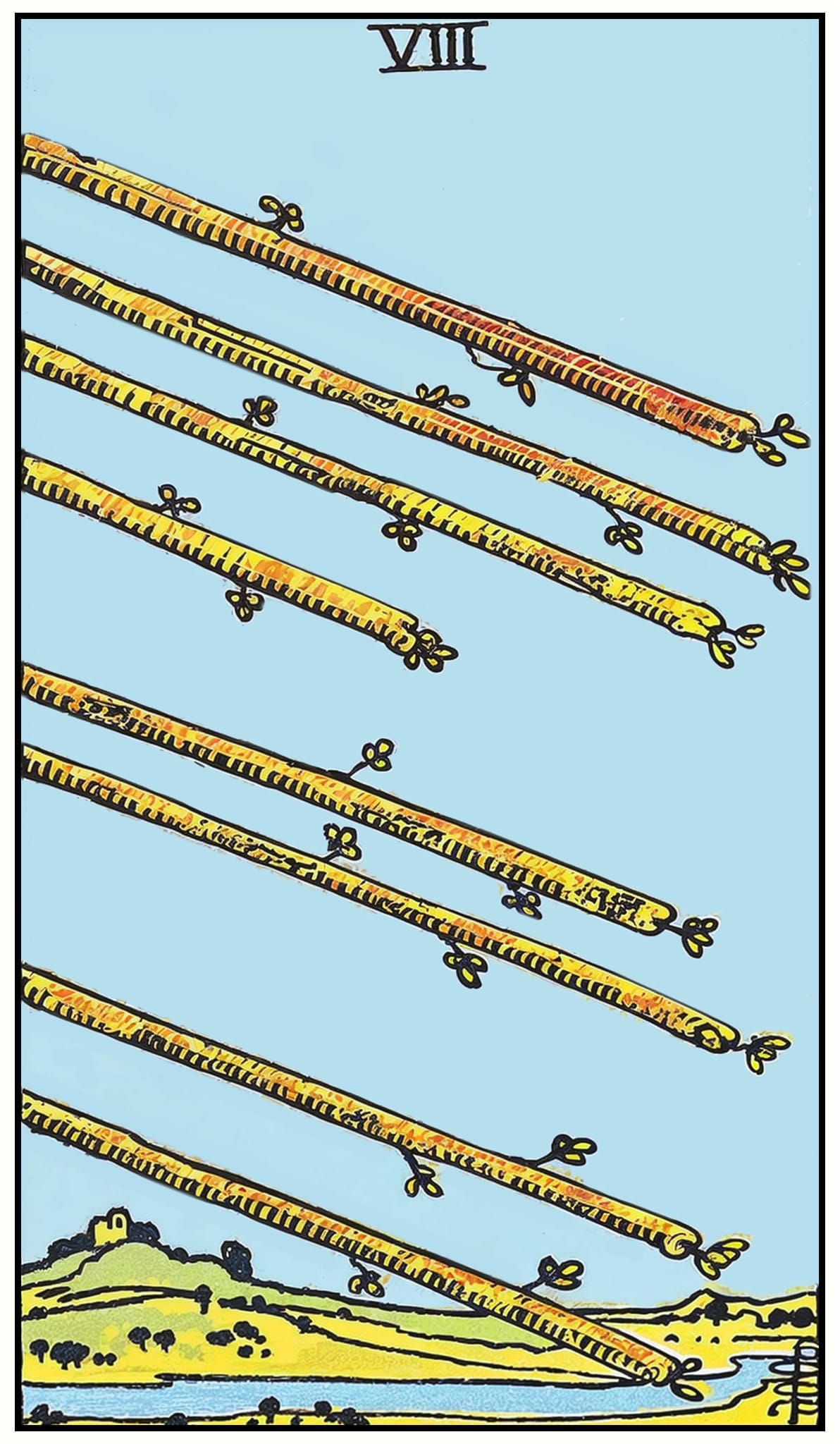
The Three of Wands is most often read as expansion and enterprise, which is not wrong. But the card's real instruction is about the quality of waiting that follows a committed act. The reader who takes this card as simply confirming that something is in motion has missed the harder question: are you letting it be in motion, or are you following it, adjusting it, explaining it, managing its reception? The ships go out. The cliff is where you stay.