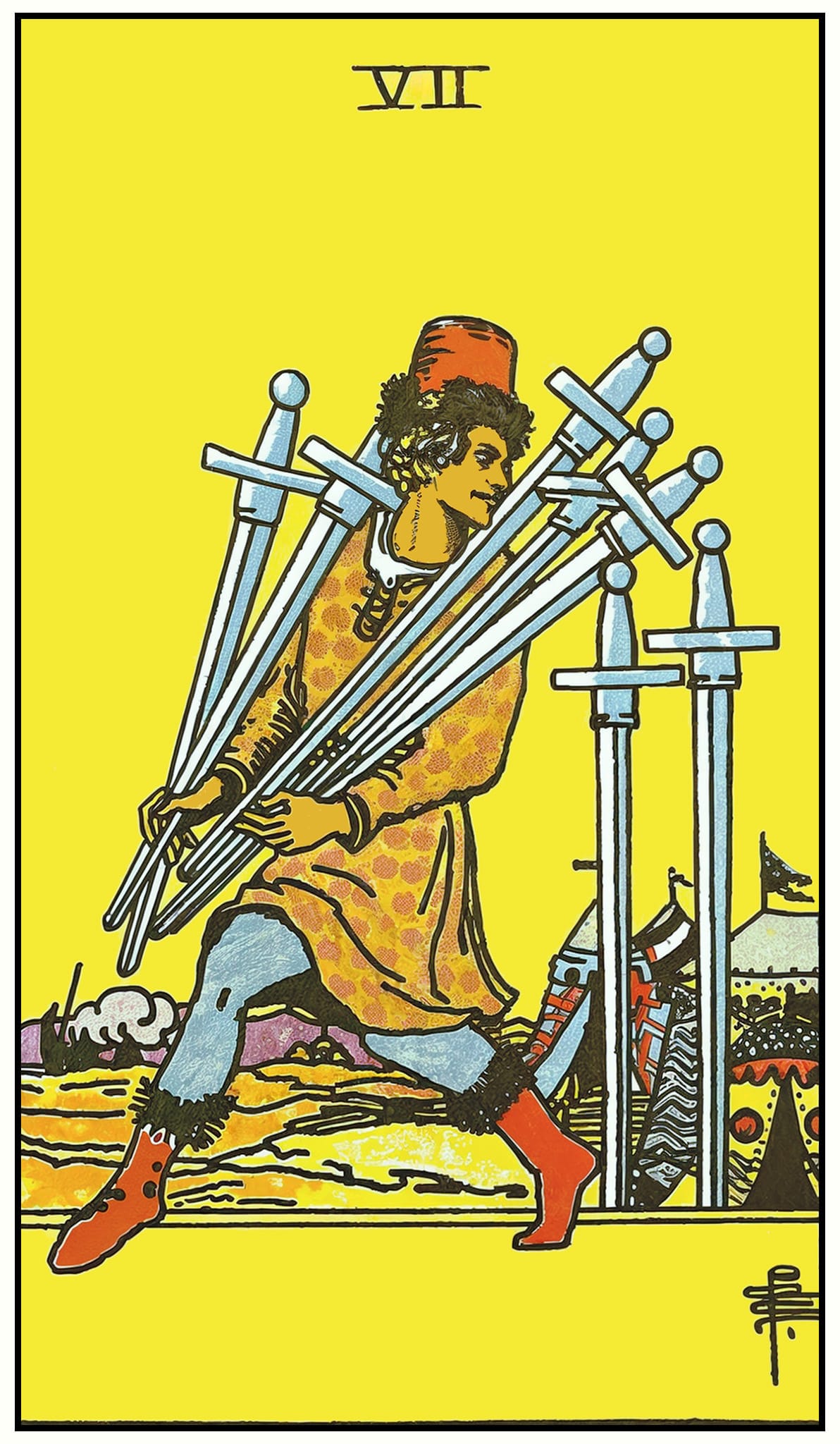
Seven of Swords
A figure in yellow shoes tiptoes away from a military encampment, five swords in his arms, glancing back over his shoulder — two swords still planted in the ground behind him.
The Seven of Swords names the half-exit: the departure from a situation that carries what is convenient and leaves what would cost something to face. The figure is not being strategic. He is sneaking, and the gleeful expression is the tell. He believes he has gotten away with something. He has not noticed the two swords still in the ground.
He is taking five. The situation requires all seven, or none.
The Seven of Swords is the card of the exit that is also a self-deception: the relationship left without a real accounting, the commitment avoided rather than concluded, the conflict departed without resolving what made the departure necessary. The gleeful expression is the card's most important diagnostic. He believes he has outsmarted the situation. He has not noticed what he left behind. Popular tarot reads this as strategic retreat. That reading requires ignoring both the expression and the two planted swords. The Seven is not strategic. It is the half-honesty, the carefully selected portion of a truth, the commitment to a self-narrative that the evidence does not fully support.
The same intelligence that produced the Ace's clarity now deployed to maintain a flattering fiction
Here the mind turns against itself. The capacity for precision that is the suit's gift has been redirected: not toward what is true but toward what supports the current account of the self. The rationalization takes the form of a decision: I'm not running, I'm being strategic. I'm not avoiding, I'm choosing my battles. Pollack is precise about the two swords in the ground — they are not dead weight. They are the parts of the situation the figure has not been willing to face, and the incomplete removal is the record that he knew, at some level, that the full truth was heavier than he could carry.
The complete three-layer reading for all 78 cards — including the full psychological and archetypal layers — is in The Pocket Guide →
The soul's record is the story we told instead of the one that was true.
Shadow TrapThe intelligence so well trained to construct compelling narratives that it has become impossible to tell from the inside whether the current story is accurate or has been engineered to be supportable — the rewrite that arrives mid-flight and is believed because the person doing the rewriting is very good at it.
Shadow GiftThe willingness to go back for the two swords — to give an account of a departure that includes what was left behind and what that leaving actually cost, rather than only the version that concludes with the taker arriving somewhere better.
Shadow readings for each card, by suit, are gathered in The Pocket Guide →
We do not read a reversal as an opposite; following Pollack, a turned card is the same energy blocked, withheld, or redirected — not inverted into its negation. A reversed Seven of Swords often marks the exposure of the incomplete account — the moment when the two swords in the ground have been noticed, either by the person who left them or by someone else, and the flattering version of the story has become visibly inadequate.
Why Apocrypha Does Not Read Reversals as Opposites →Sixty-three symbols across the full deck — cross-referenced by card and meaning — are mapped in The Symbol Dictionary →
What part of a situation you left — a relationship, a job, a commitment — have you not yet accounted for, even in your own private version of the story? And what would the full account cost you to give?
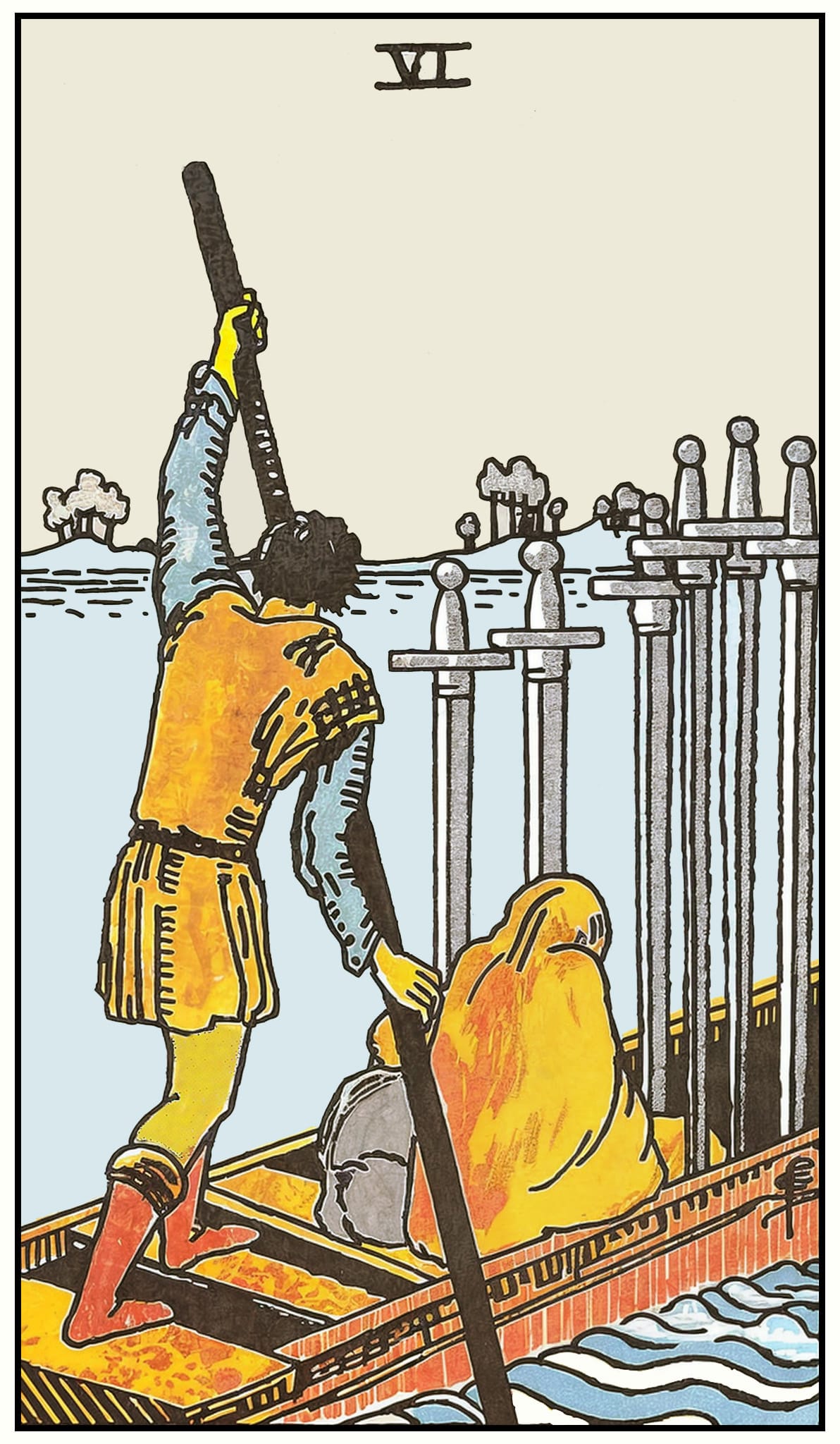
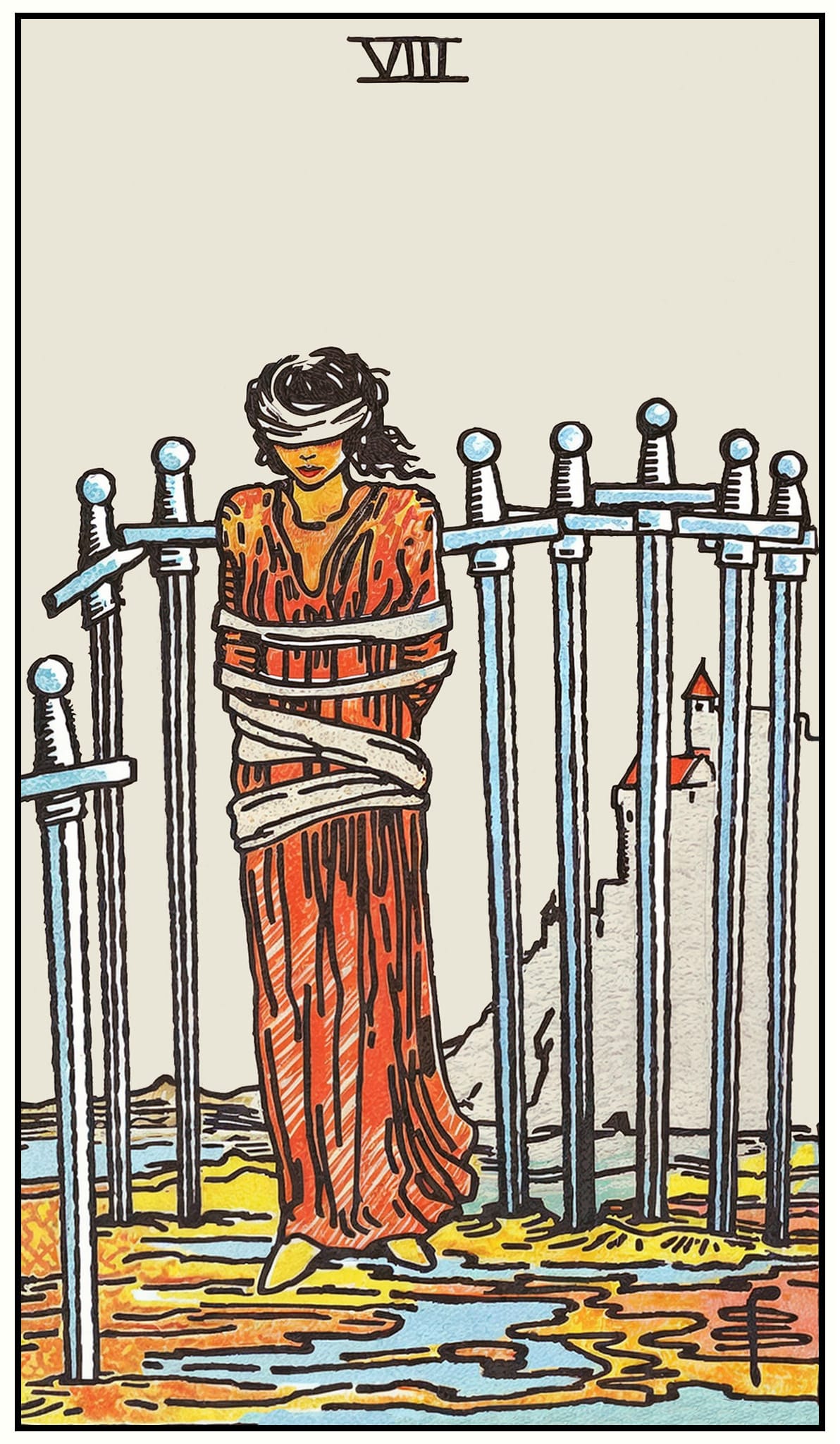
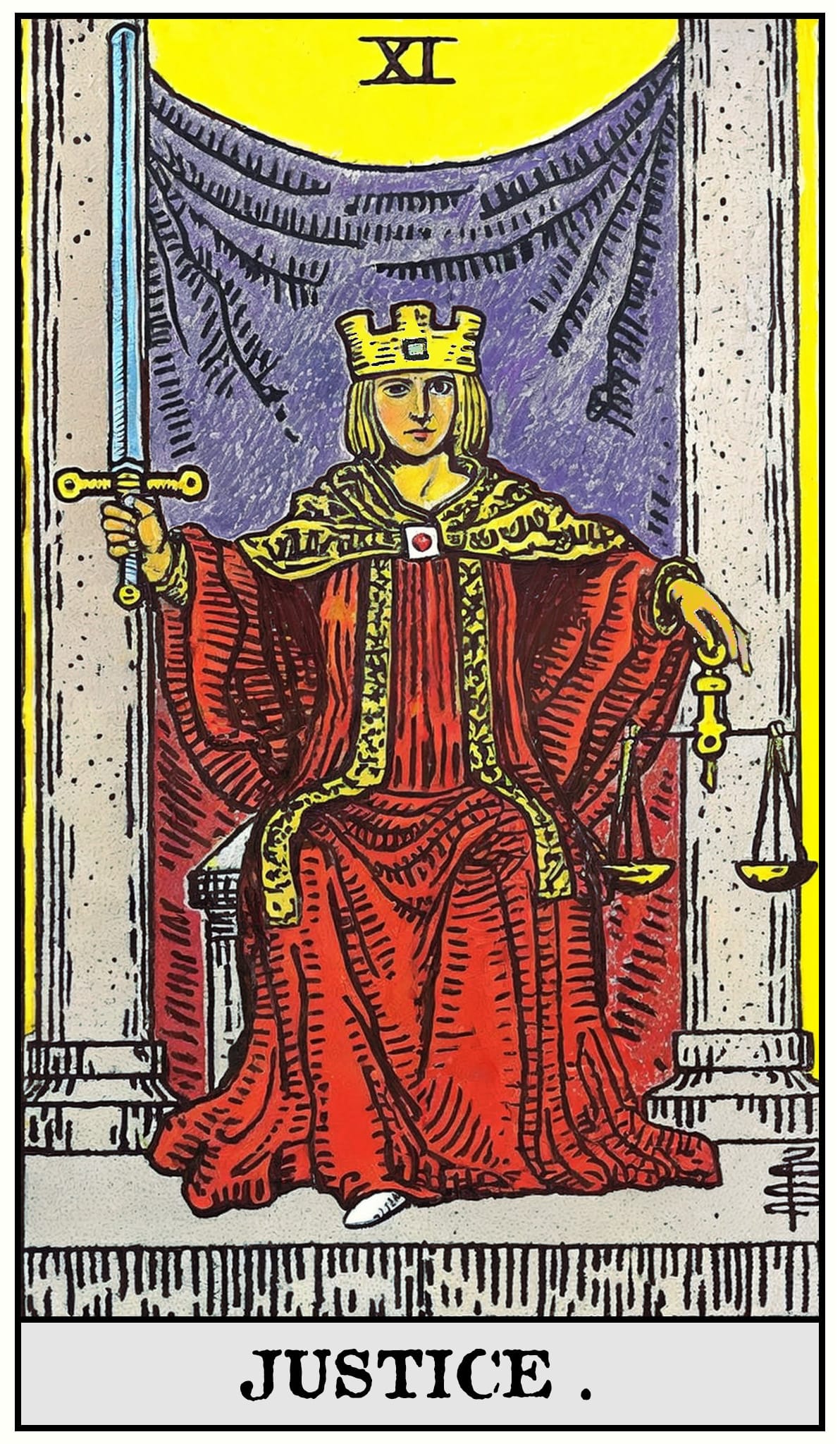
The Seven of Swords is most often either condemned as deception or reframed as necessary exit. Both miss the precision of what the card actually shows: not a villain, not a hero, but a person who has taken the portion of the truth that fits into his arms and left what would not. The card's work is not moral judgment. It is the identification of the two swords still in the ground — and the question of whether the person who left them is ever going back, and what happens to them if they don't.