Page of Wands
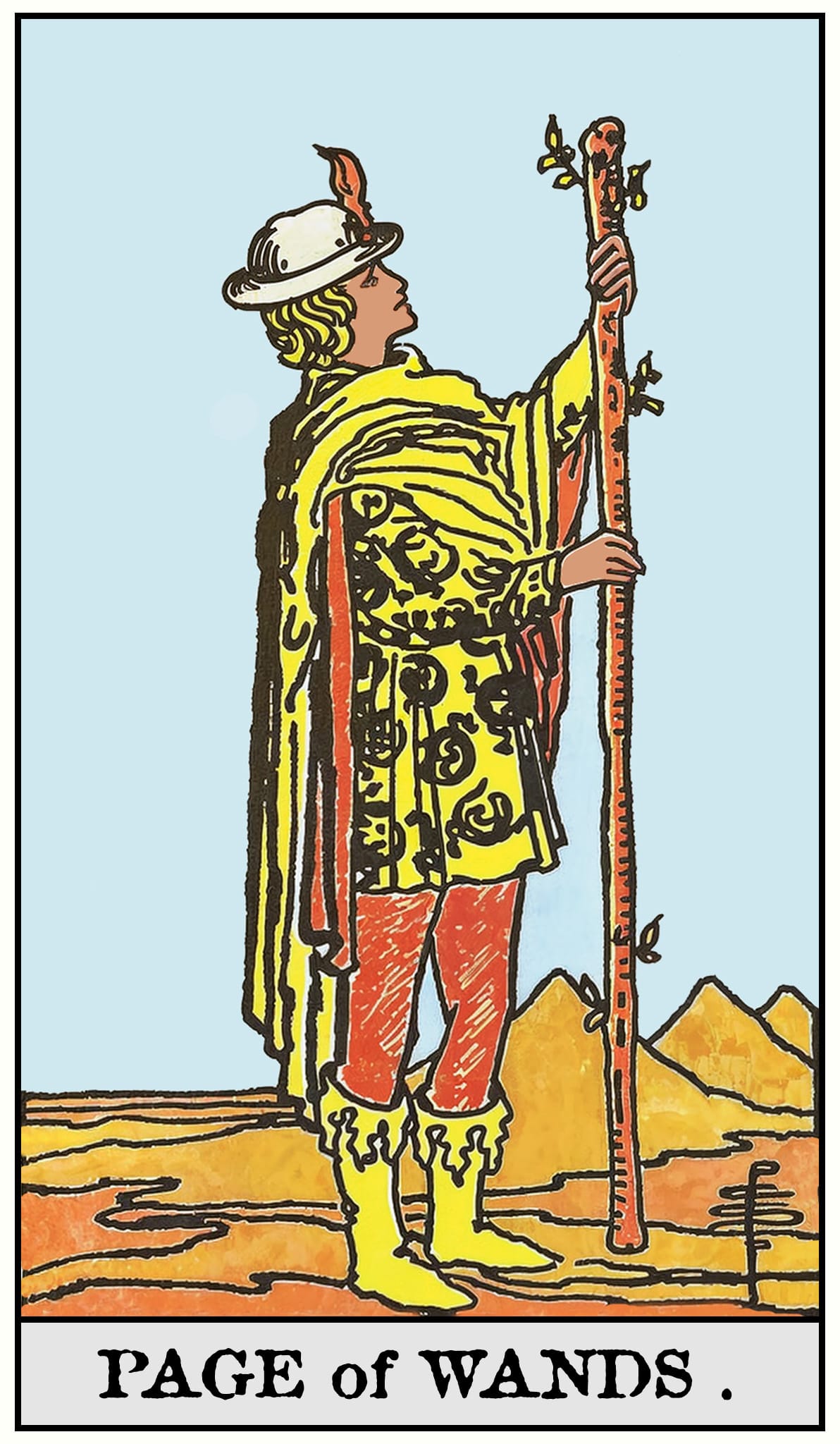
A young figure in a salamander-patterned tunic holds a tall wand upright and studies its budding tip — standing in open desert, weight on one foot, as if mid-decision.
The Page of Wands names fire's first moment of self-examination: the discipline not yet studied, the language half-learned, the enthusiasm that has not yet encountered what it will cost to become loyalty. The Page is not naïve by failure — he is naïve by necessity. What looks like limitation is the precondition of beginning.
The moment a possibility appears before the mind has decided whether to be loyal to it
The Page of Wands arrives as the appearance of a calling in its rawest form: the discipline not yet committed to, the project not yet started, the capacity not yet tested by repetition. The salamander embroidered on the tunic is aspiration worn as clothing — the alchemical creature of fire as aesthetic rather than fact. In shadow, the Page never advances: the adult who has organized a life around the first month of every interest, who collects languages not spoken, projects not finished, relationships that never reached the awkward second stage.
The necessary naïveté — fire that has not yet met its first hard surface
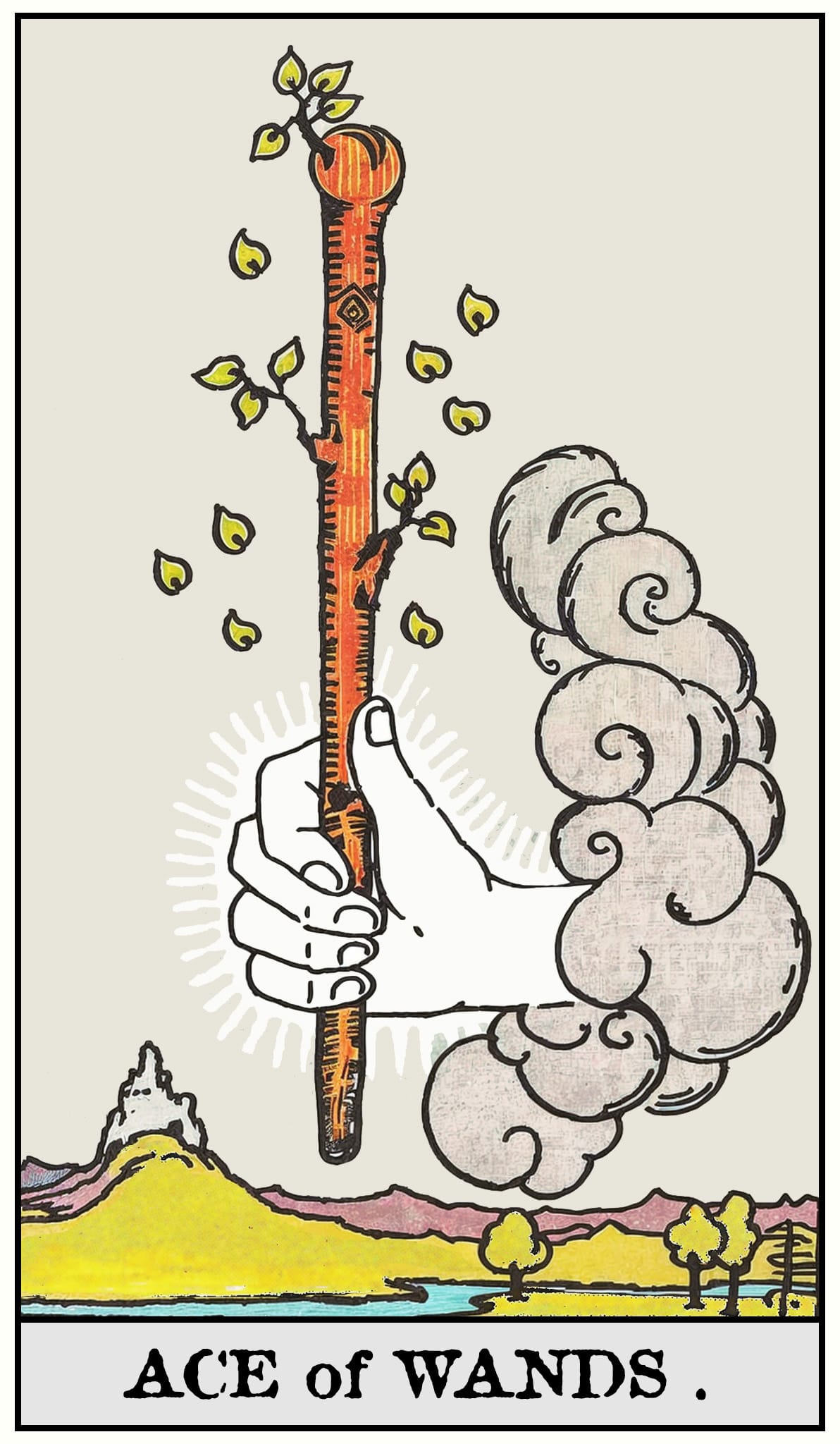
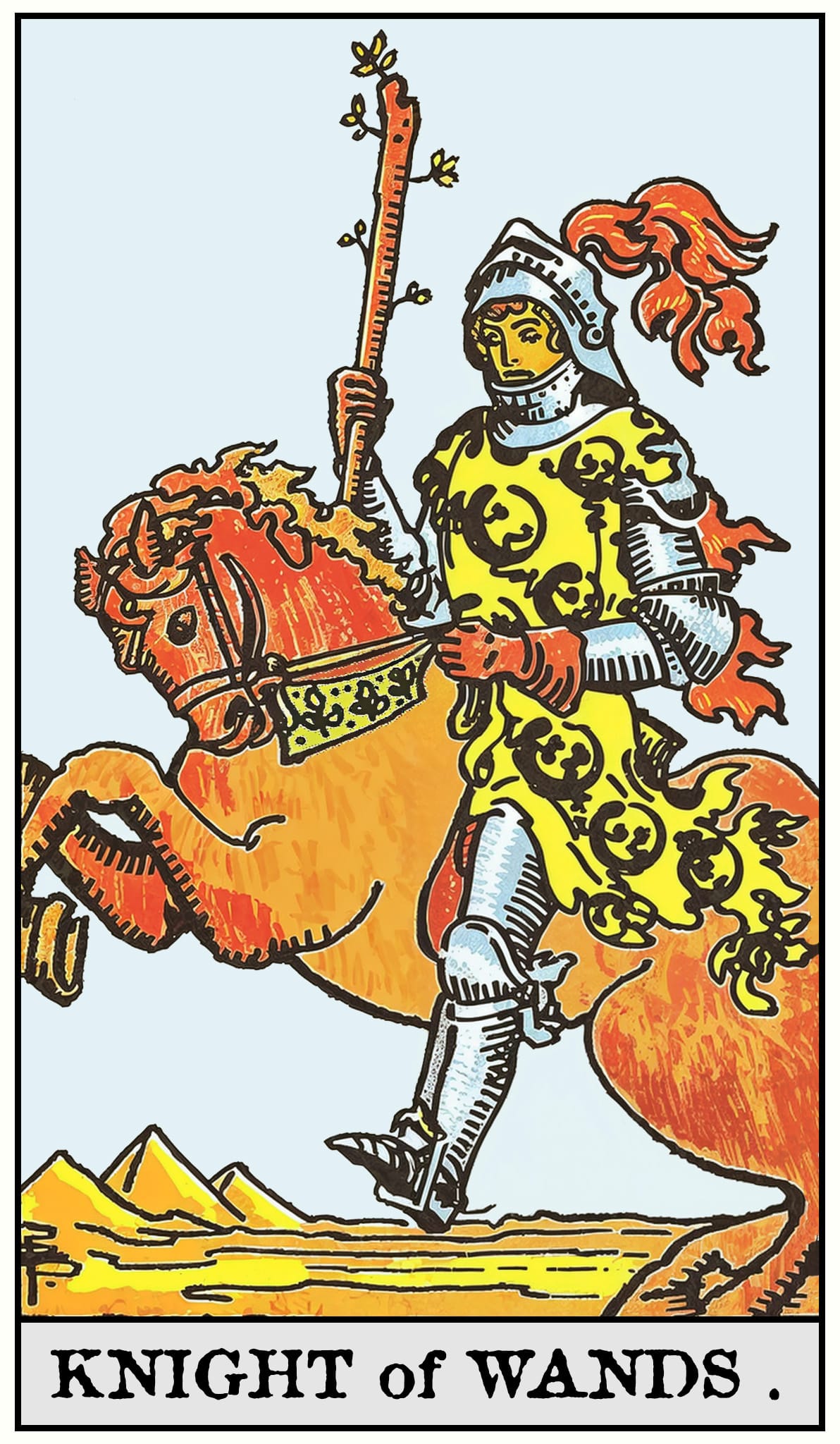
The Page does not know the suit's full arc. He has no experience of the Seven's defended hill or the Ten's exhausting load, and this ignorance is not a flaw — if the Page carried that knowledge, the wand would never be lifted in the first place. The suit requires this entrance. The danger is not passing through it: the collector of beginnings, the perpetual student, the chronic dabbler who has converted enthusiasm into a permanent position rather than a threshold.
The complete three-layer reading for all 78 cards — including the full psychological and archetypal layers — is in The Pocket Guide →
The threshold that is never crossed becomes, eventually, a dwelling.
Shadow TrapThe enthusiasms kept perpetually safe from the discipline that would either deepen them or end them — a life of interesting beginnings, no second months.
Shadow GiftThe capacity to receive the fire of a new calling with the Page's openness, while choosing — once — to stay past the point where the discipline demands something the enthusiasm did not promise.
Shadow readings for each card, by suit, are gathered in The Pocket Guide →
We do not read a reversal as an opposite; following Pollack, a turned card is the same energy blocked, withheld, or redirected — not inverted into its negation. A reversed Page of Wands often marks the blocked beginning — the enthusiasm present but not acted on, the calling recognized and set back down, the first step postponed past the point where the impulse is still strong enough to insist.
Why Apocrypha Does Not Read Reversals as Opposites →Sixty-three symbols across the full deck — cross-referenced by card and meaning — are mapped in The Symbol Dictionary →
Which of your current enthusiasms have you been protecting from the discipline that would either deepen or end them — and what would it mean to find out which?
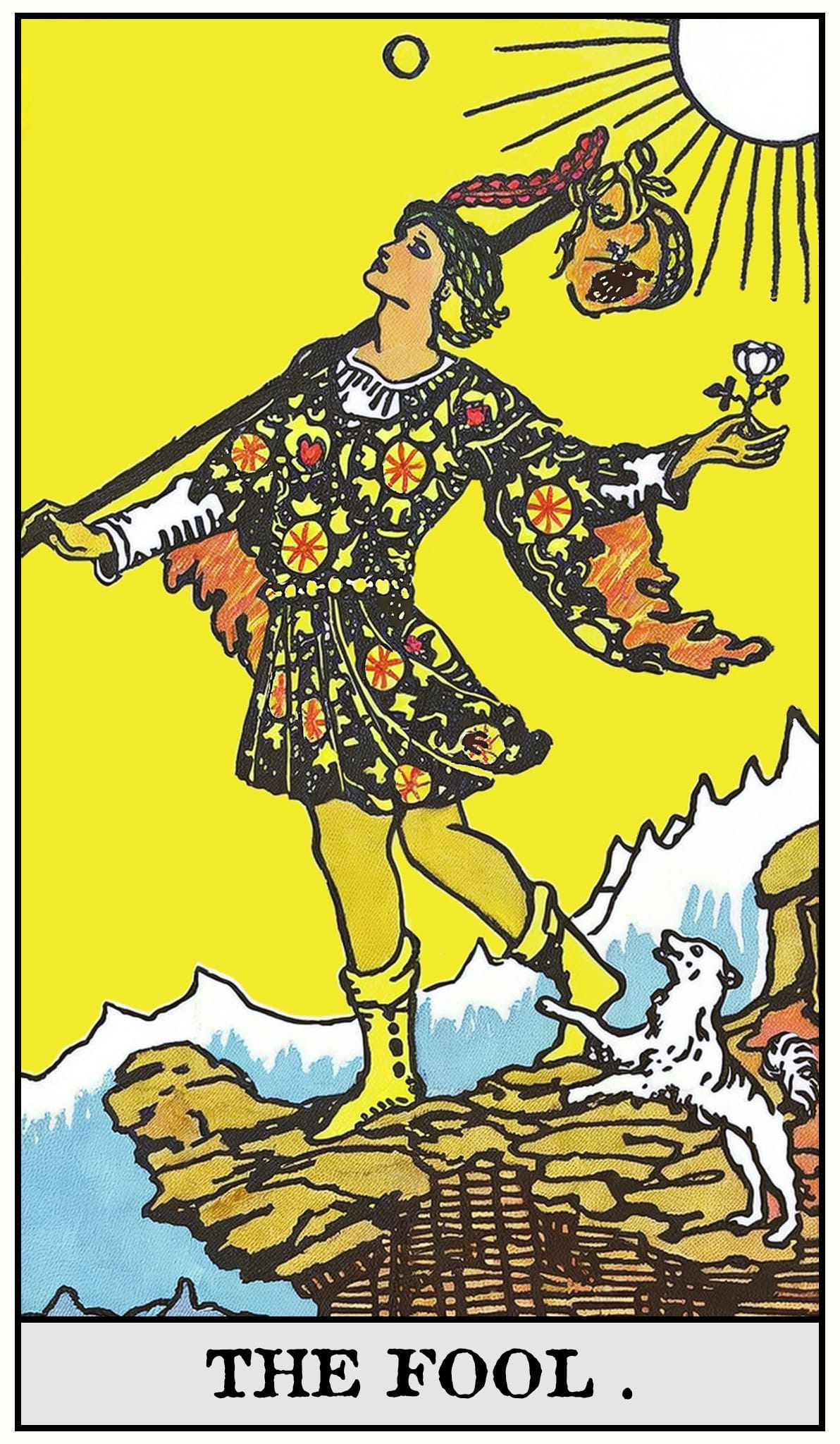
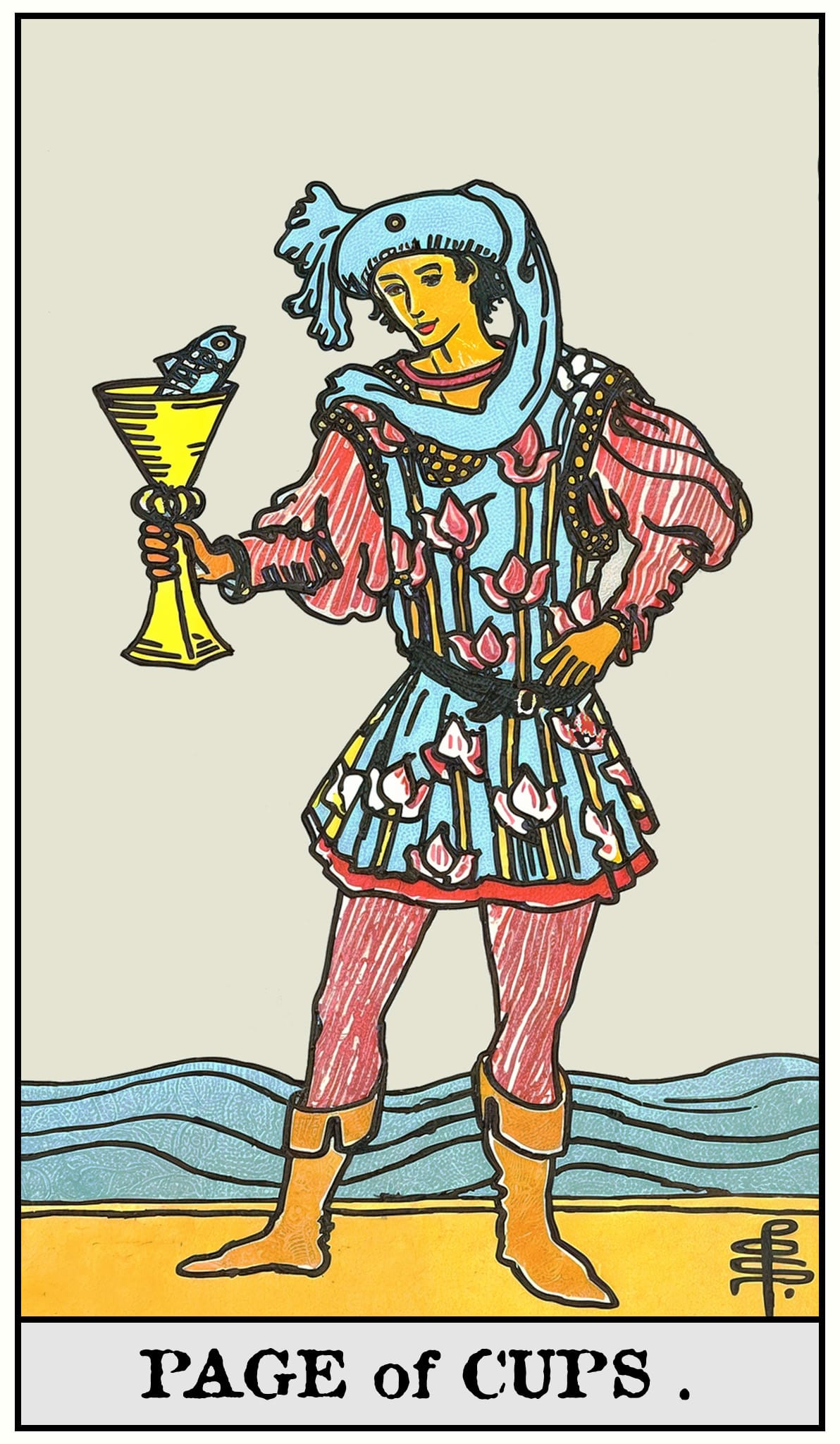
The Page of Wands is most often read as encouragement to follow new interests, and this is not wrong. The more useful reading also holds the shadow: the card specifically describes the figure before the trials of the suit, and the question it raises is not whether the enthusiasm is real but whether it will be honoured past the point where it stops feeling like enthusiasm and starts feeling like work. The card is not a green light. It is a starting gun, and starting guns only matter if something runs.