Ace of Wands
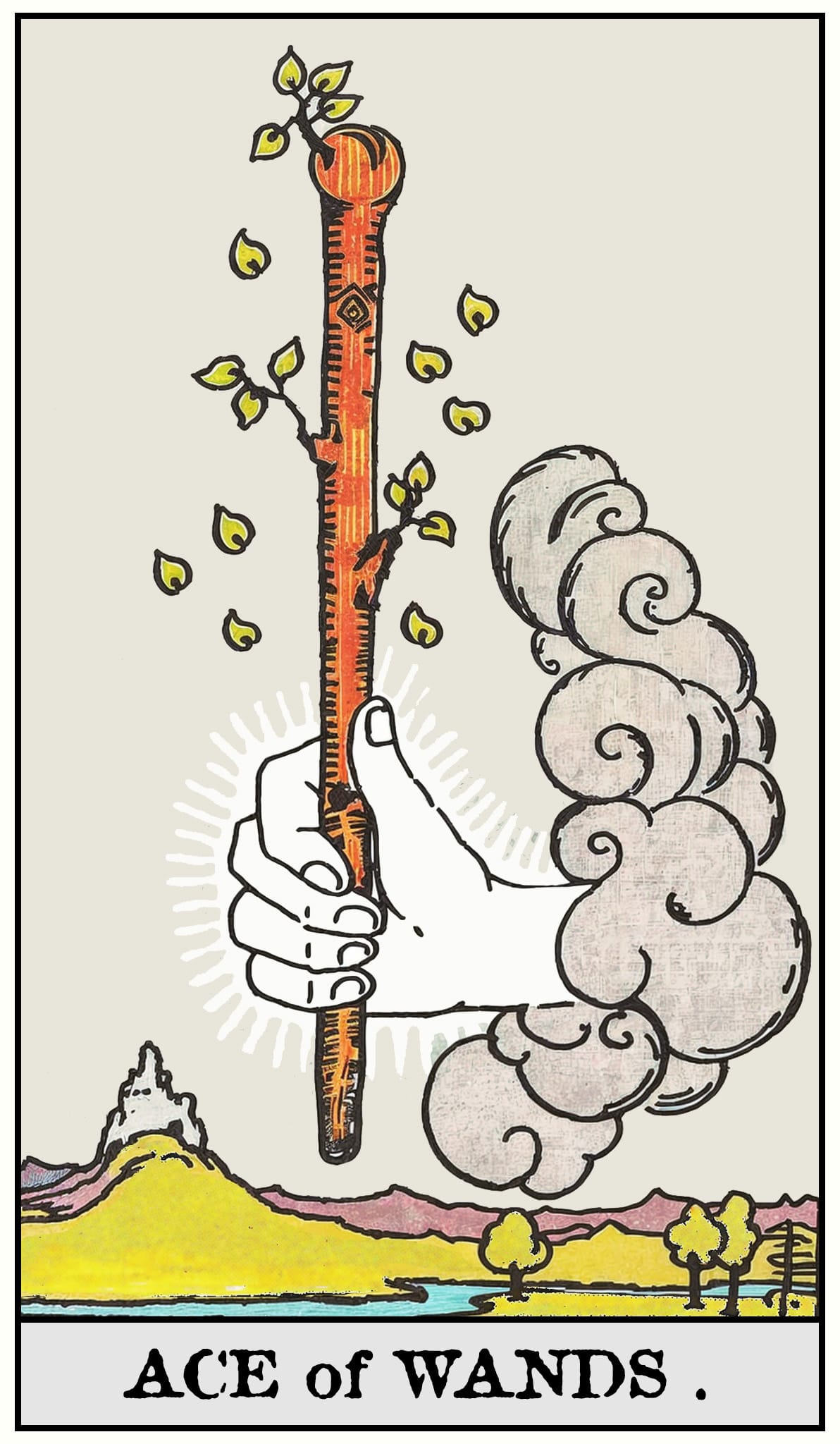
A hand emerges from a cloud, gripping a wand with fresh green leaves still sprouting from it — the wand not yet planted, held mid-gesture between offer and grasp, the landscape below wide and patient.
The Ace of Wands names the arrival of appetite: the unmistakable signal that something wants to begin, before it has decided what it is beginning toward. This is desire in its cleanest form — before it has chosen a body, before deliberation, before usefulness or approval. The gift is the impulse. It turns to ash if it is never given a form.
The surge before the project — desire before it has decided what it is desire for
The Ace of Wands arrives as quickening: a project, an attraction, a sudden pull toward a discipline not previously considered. There is no plan yet. There is only the signal that something wants to make, to begin, to claim. In shadow, the surge never lands — energy without object becomes restlessness, and people who live too long in the Ace become collectors of beginnings: the language not learned, the manuscript not finished, the conversation that should have become a relationship. The Ace is the match. It requires something to ignite.
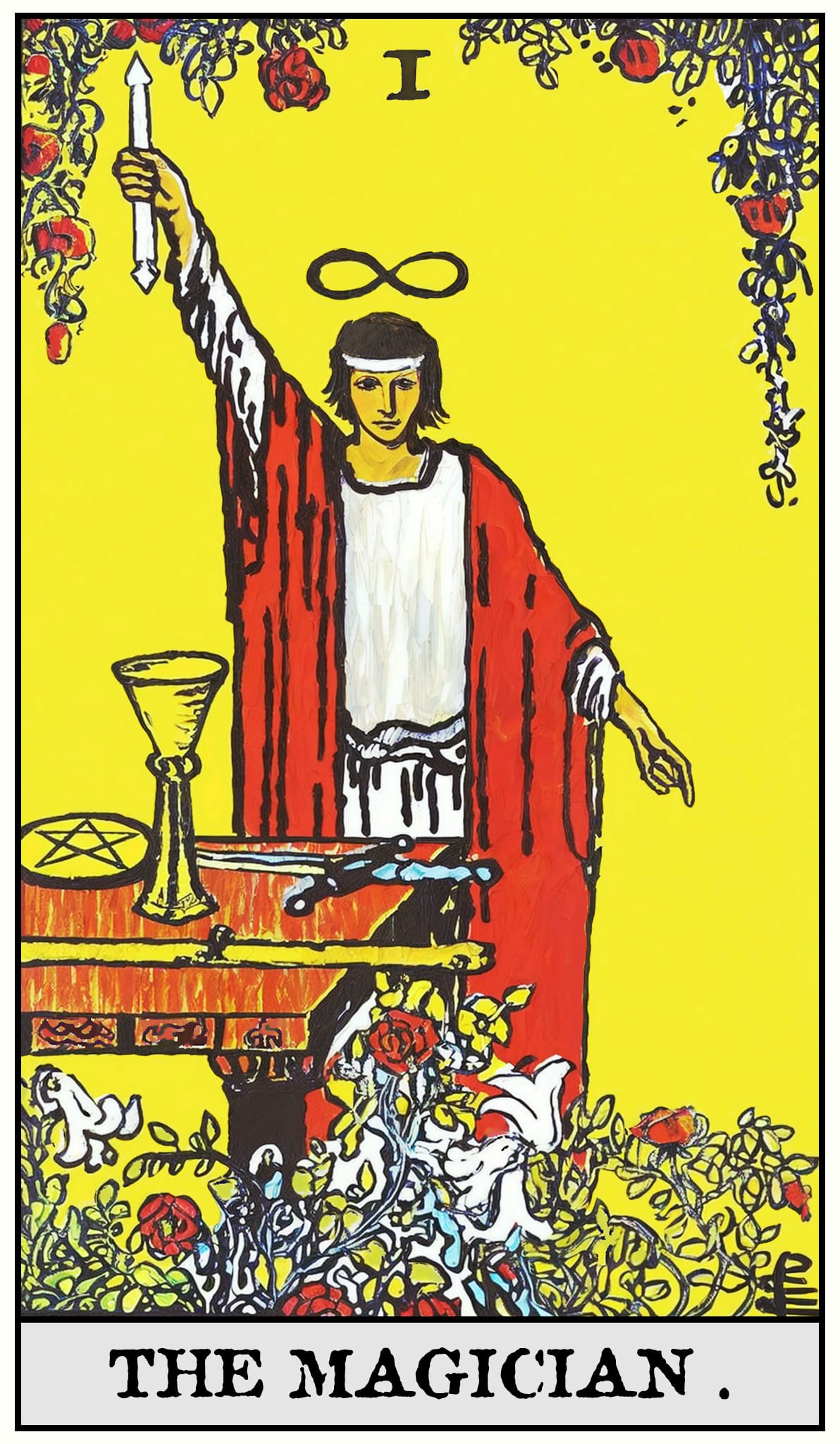
The Magician's gesture dropped into the daily plane — will before deliberation
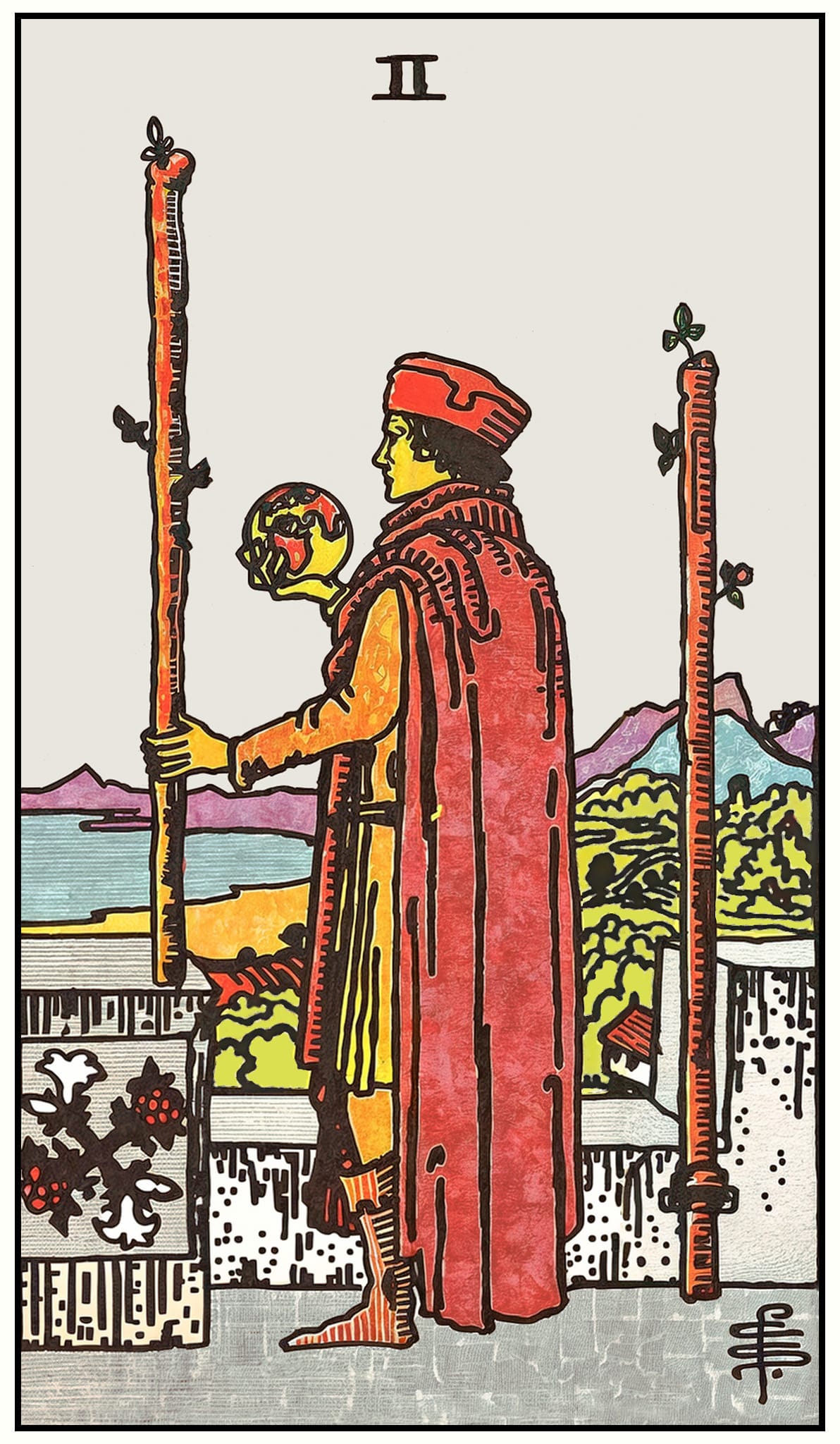
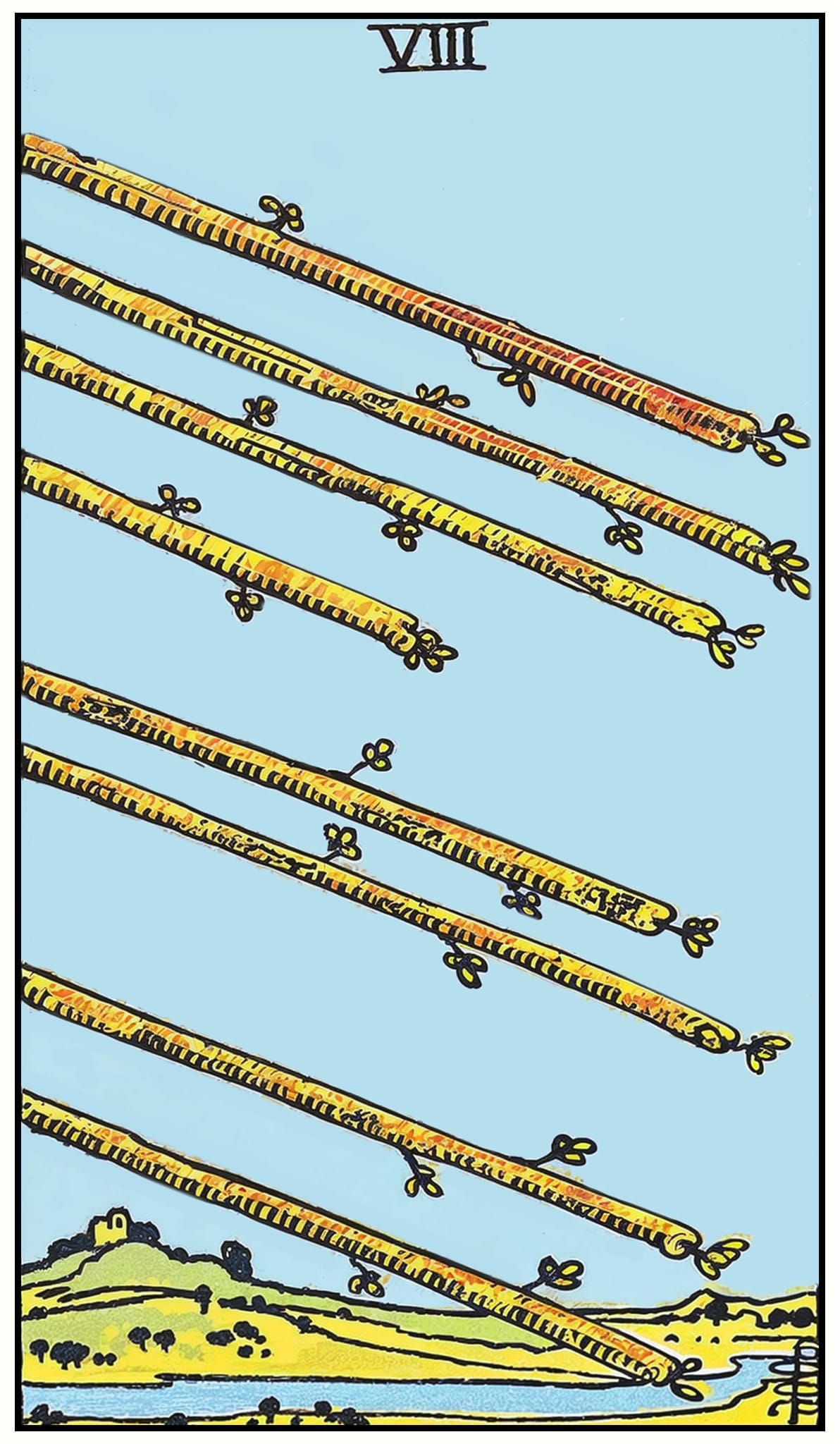
The Ace of Wands is where the Magician at I descends into the suit's register: the same directed fire, made small enough to fit a single hand. It shows will in its uncontaminated form — before the mind rushes to translate impulse into a sensible project. That translation is sometimes correct; often it is a betrayal dressed as practicality. The suit of Wands will spend ten cards asking one question: how does fire learn to keep burning without consuming itself?
The complete three-layer reading for all 78 cards — including the full psychological and archetypal layers — is in The Pocket Guide →
The impulse that is never allowed to land becomes a permanent condition of almost-beginning.
Shadow TrapThe collected beginnings — the person who has learned to live inside the Ace's surge and has never discovered what it feels like to see something through to its second and third and tenth week.
Shadow GiftThe capacity to receive the impulse without immediately domesticating it into a plan, and without abandoning it to the next impulse before the first one has had a chance to take root.
Shadow readings for each card, by suit, are gathered in The Pocket Guide →
We do not read a reversal as an opposite; following Pollack, a turned card is the same energy blocked, withheld, or redirected — not inverted into its negation. A reversed Ace of Wands often marks the suppressed impulse — the appetite that has been present for some time and is being talked out of, managed down, or deferred indefinitely in the name of practicality.
Why Apocrypha Does Not Read Reversals as Opposites →Sixty-three symbols across the full deck — cross-referenced by card and meaning — are mapped in The Symbol Dictionary →
What in you is asking to begin — before you have decided whether it is practical, whether you have the qualifications, whether this is the right time? And what are you doing with that asking?
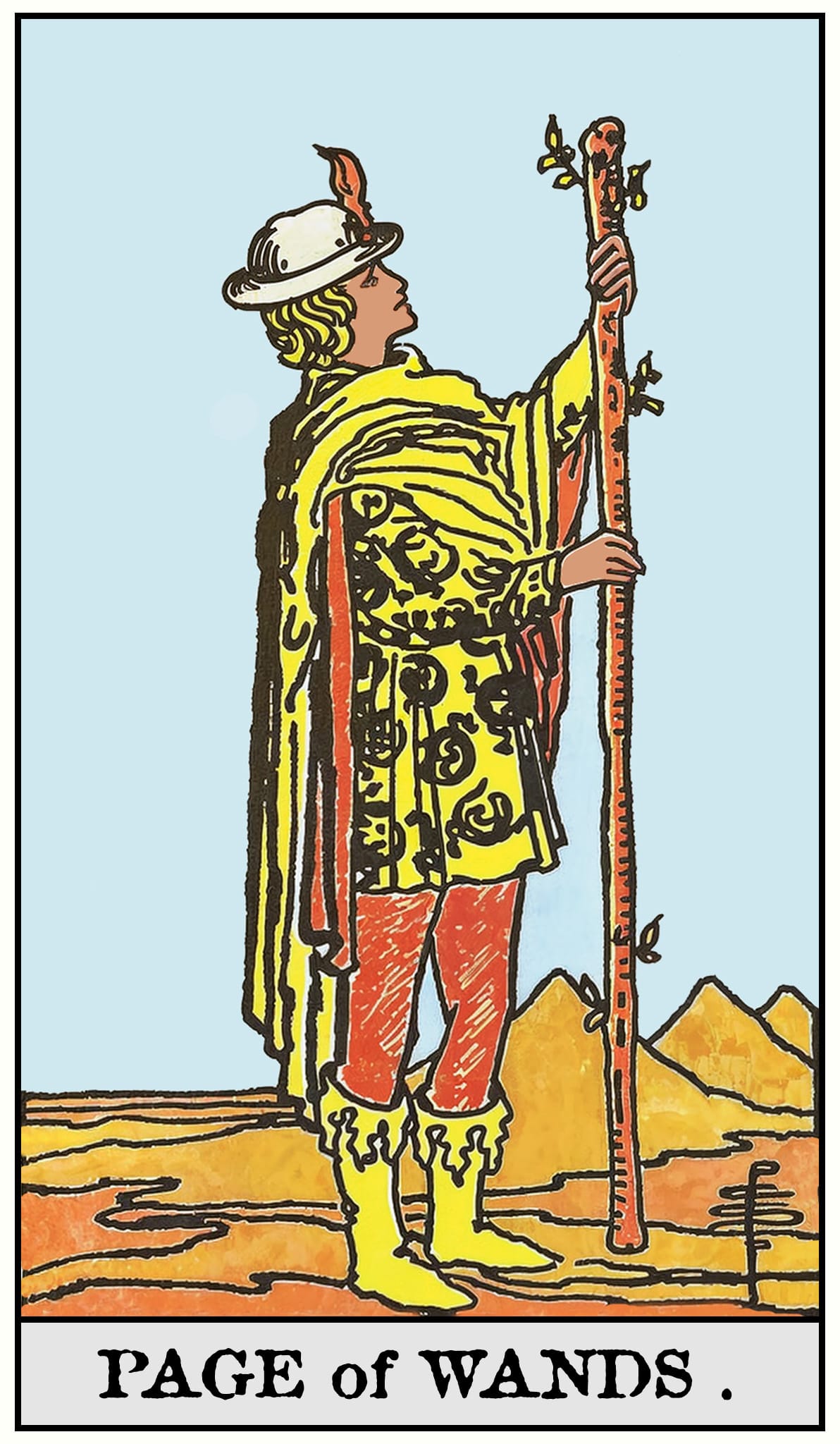
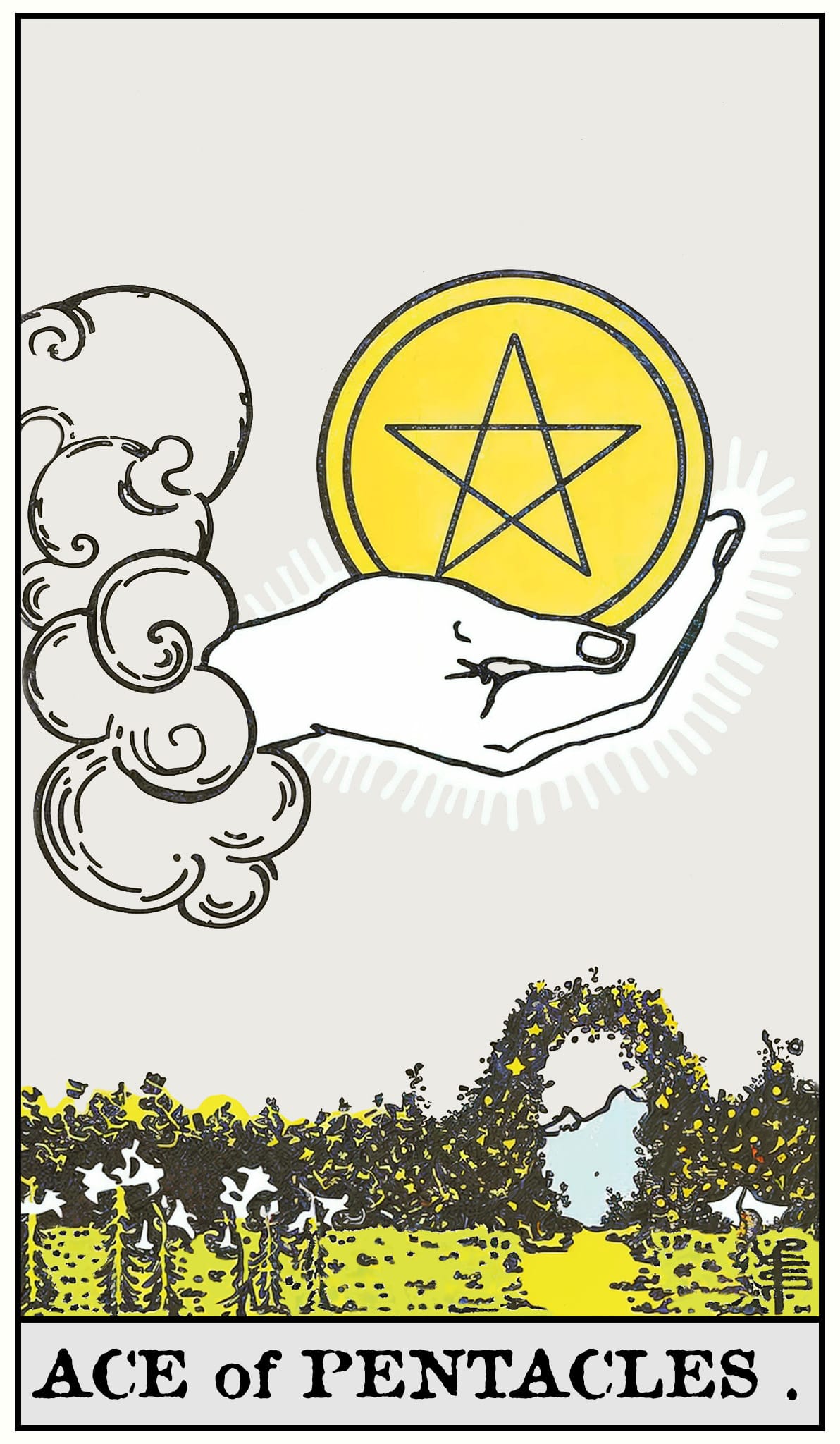
The Ace of Wands is most often read as pure encouragement, and the encouragement is real. But the card also carries its shadow in the same image: the wand is still in the air, still between offer and grasp, and the most common failure of this card is not that the impulse doesn't arrive but that it is received repeatedly and acted on never. The reading is not complete until the question of landing has been asked.